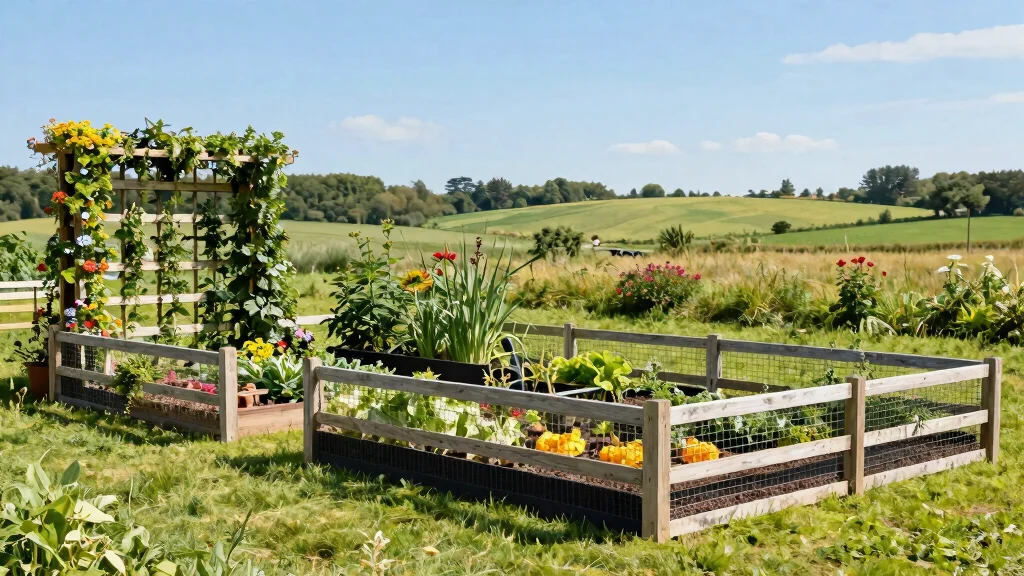
Creating a sustainable garden while keeping your livestock safe can be a challenge. As someone who has experienced the struggle of managing both lush greenery and curious critters, I realized the need for effective and creative fencing solutions. So, I decided to compile a list of incredible cattle panel fence ideas that not only keep your livestock safe but also create a beautiful backdrop for your garden.
If you’re a farmer, gardener, or simply someone who cherishes their outdoor space, this post is for you. You care about protecting your animals and crops while also seeking innovative ways to enhance your property. Whether you’re looking for reliable livestock fencing ideas or creative fence designs that double as garden art, you’ll find inspiration here.
In this guide, you’ll discover twelve versatile cattle panel fence ideas. These options are not only durable and practical but also add a touch of creativity to your surroundings. From classic enclosures to artistic designs, there’s something here to suit your needs and style. Get ready to elevate your fencing game and create a safe haven for your livestock and plants!
Key Takeaways
– Diverse Designs: Explore twelve unique cattle panel fence ideas that blend functionality with aesthetics to enhance your garden space.
– Safety First: Learn about predator-proof fencing options that ensure your livestock remains secure from external threats.
– Multi-Purpose Use: Discover how cattle panels can serve multiple functions, from trellises for climbing plants to windbreaks that protect your garden.
– Sustainable Practices: Understand how integrating durable livestock barriers can contribute to a sustainable gardening approach.
– Creative Solutions: Get inspired by artistic fence designs that allow you to express your personality while maintaining a safe environment for your animals.
1. Classic Cattle Panel Enclosure
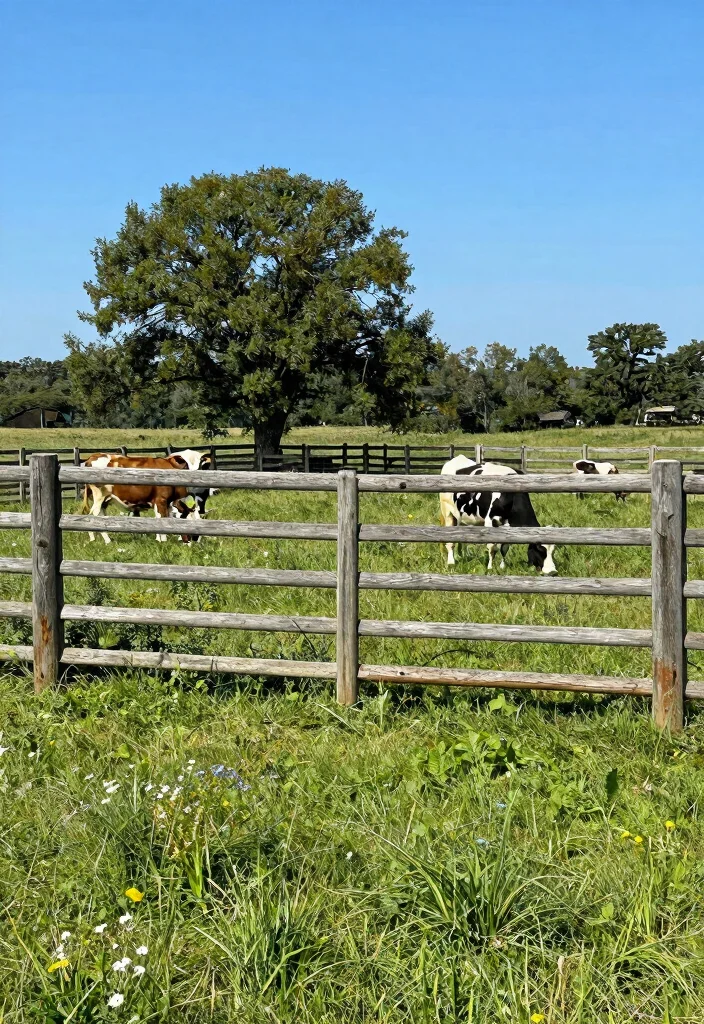
Looking for a dependable way to keep your livestock safe? A classic cattle panel enclosure offers a straightforward solution that balances simplicity and effectiveness. With strong wooden posts and smooth panels, you create a secure grazing space that minimizes injury risks for your animals. Plus, leaving a small gap at the bottom helps smaller critters pass through, keeping unwanted visitors out.
Start by ensuring your panels are firmly anchored to withstand the elements. Consider adding low-maintenance plants outside the enclosure for a touch of greenery. This classic design not only provides ample roaming space for your livestock but also keeps predators at bay, giving you peace of mind.
Key features of a classic cattle panel enclosure:
– Use sturdy wooden posts for stability
– Attach panels securely to withstand weather
– Leave gaps for small animals to pass
– Plant low-maintenance greenery along the fence
With this setup, your livestock will thrive, and you’ll enjoy a beautifully organized farm.
Did you know 70% of cattle panel fence failures happen at ground level? Properly anchoring panels to sturdy wooden posts with a tiny gap at the bottom reduces escapes and predator access.
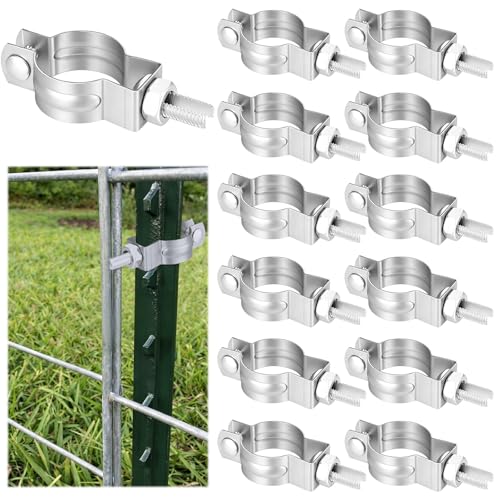
Value Set for Comprehensive Fence Projects: our livestock panel T-post connector set includes 12 reusable connectors designed to seamlessly join wire panels to T-posts or wooden posts; This ideal quantity supports fence repairs, pasture expansions, or trellis constructions, eliminating the need for extra fastening hardware
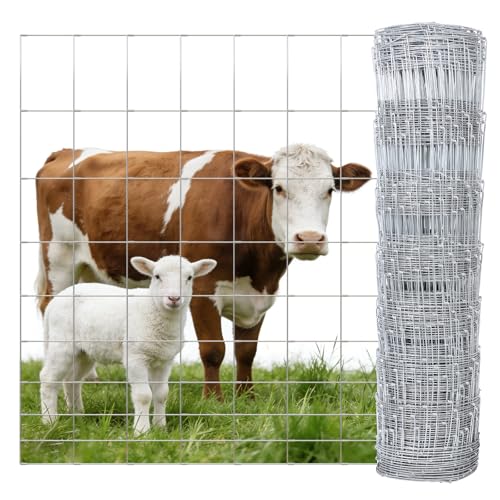
Heavy Duty Galvanized Woven Construction: cattle panel built with 14 gauge galvanized steel wire and a 12 gauge reinforced border, this woven wire fence delivers exceptional strength and impact resistance. The hot-dip galvanized surface ensures superior rust and weather protection, making it a reliable choice for agricultural fencing and livestock fencing that withstands harsh outdoor conditions and heavy animal pressure.

Heavy-Duty Construction Size: 100ft (length) × 48" (height) Material: High-strength galvanized steel wire ,Surface Treatment: Hot-dip galvanized for superior rust resistance & extended lifespan
Key Trade-offs & Our Top Pick
When it comes to choosing the right cattle panel fence for your livestock or garden, understanding the options is crucial. Each solution has its pros and cons, which can impact your effectiveness in keeping your animals safe while deterring predators. Let’s break down several popular options for cattle panel fencing.
1. Classic Cattle Panel Enclosure
– Pros:
– Cost-effective and easy to set up.
– Provides good visibility and airflow.
– Cons:
– May not be strong enough against larger predators.
– Limited customization options.
– Best for: Small farms and backyard gardeners looking for an affordable solution.
2. Predator-Proof Cattle Panel Fence
– Pros:
– Extra reinforcement keeps larger animals out.
– Offers peace of mind for livestock safety.
– Cons:
– Usually more expensive than standard panels.
– Heavier and more challenging to install.
– Best for: Farmers in areas with a high presence of predators like coyotes or bears.
3. Cattle Panel Garden Trellis
– Pros:
– Multi-functional; great for climbing plants.
– Adds aesthetic appeal to your garden.
– Cons:
– Not designed for heavy-duty livestock containment.
– Could require additional support for larger plants.
– Best for: Gardeners who want a decorative yet functional solution.
4. Multi-Functional Livestock Barrier
– Pros:
– Versatile for different needs (livestock, garden, etc.).
– Typically made from durable materials.
– Cons:
– Can be more expensive than single-use panels.
– Installation might require more planning and tools.
– Best for: Those needing a long-term solution that can adapt to various uses.
5. Rustic Cattle Panel Privacy Fence
– Pros:
– Offers privacy while still being functional.
– Blends well with rural landscapes.
– Cons:
– May need maintenance to prevent rust.
– Can be less secure compared to more fortified options.
– Best for: Homeowners looking to add charm while keeping livestock contained.
Expert Recommendation:
Best Overall: Predator-Proof Cattle Panel Fence
This option stands out as the best choice for most people. It combines safety with durability, ensuring your livestock remain protected from various predators. While it may require a larger upfront investment, the peace of mind and low maintenance costs make it worthwhile. You’ll find that its robust structure serves multiple purposes, making it a versatile addition to your property.
Why We Picked This:
We chose the predator-proof option for its superior function and reliability. However, if you have a limited budget or are focusing solely on garden aesthetics, the classic cattle panel enclosure or garden trellis might be better suited for your needs. Ultimately, the best fence option will depend on your specific situation, from the type of livestock you keep to the level of protection required.

Longer Size: Good cost performance with longer fence. Each piece of the garden fence barrier is 17" long and 13" high, 21 panels. The entire length of the fence set is 30 feet long! More quantity, longer garden fence can more effectively prevent small animals from digging pass the fence to enter and leave the garden.

TOTAL 30 PANELS, 42.5FT LONGER SIZE - Included 30 panels of fences, total length: 42.5 feet, more fences, and longer lengths can meet more of your needs, including filling the gaps under the bottom of the existing fence, building garden edging border, surrounding the garden bed to avoid plant damage, etc
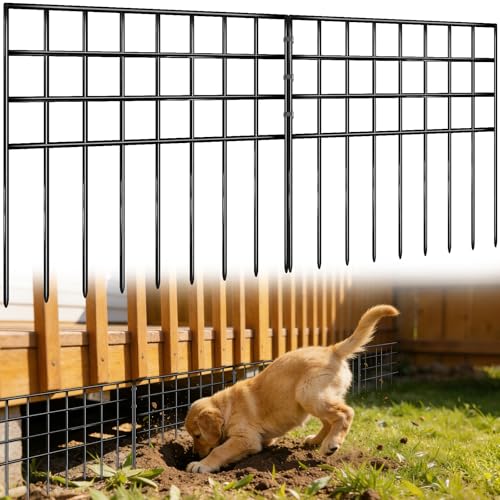
TOTAL 30 PANELS, 42.5FT LONGER SIZE - Includes 30 panels of fences, with a longer length (42.5 feet), and has a good cost performance. More fences and longer lengths can meet more of your needs, such as filling the gaps at the bottom of existing fences, creating garden edging border, and surrounding garden beds to prevent plant damage, etc
2. Cattle Panel Garden Trellis
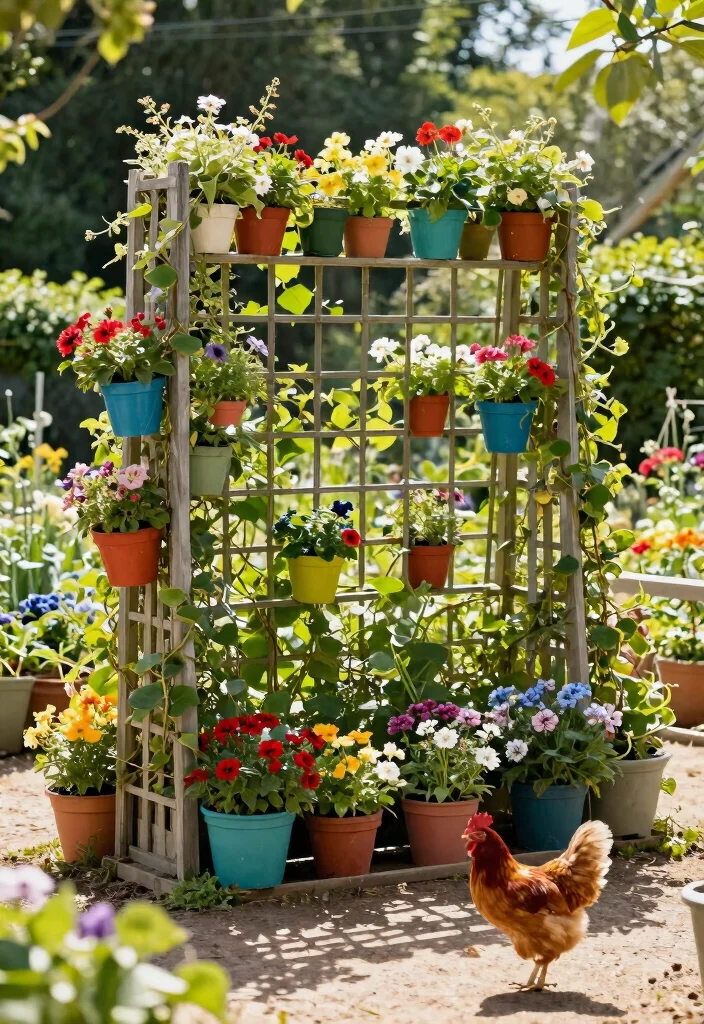
Want to elevate your garden’s aesthetics while maximizing space? A cattle panel trellis is your answer, transforming your garden into a stunning vertical display for climbing plants. This design not only supports vines but also enhances airflow and sunlight exposure, perfect for limited areas.
Attach panels vertically to wooden posts, creating a robust framework for plants like cucumbers and flowering vines. You can also hang colorful pots or decorative elements for added charm. This trellis not only beautifies your garden but also provides a shady retreat for you and your livestock during hot days.
Steps to create a cattle panel trellis:
– Install panels vertically for strong support
– Choose climbing plants for vibrant growth
– Hang decorative pots for flair
– Position strategically for shade and beauty
This trellis is a perfect blend of functionality and beauty, enhancing your garden’s appeal.

【Rust-Resistant Material】: Cucumber trellis is constructed with high-quality galvanized steel inner pipes and an exterior plastic coating, forming a dual-layer rust-proof barrier to ensure long-lasting durability
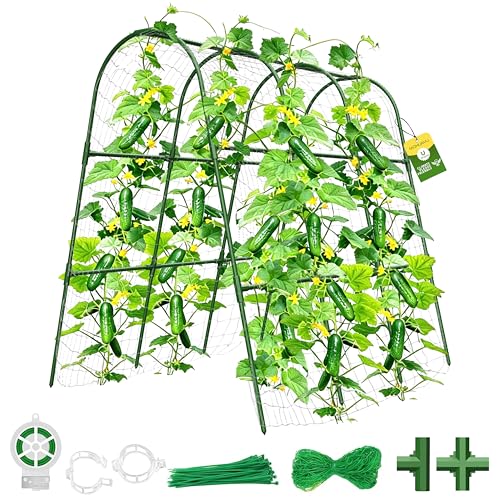
【U-Shape Stability Structure 】 U-frame trellis is more stable than A-frame trellis. Allowing you to plant a row on both sides. The arch design maximizes the garden space.

PRODUCT SIZE - Trellis netting 5Ft *15 Ft, 3.5 inch square mesh, easily cut to desired size to use. Important note: The trellis netting comes in a vacuum sealed bag.
3. Decorative Cattle Panel Gate
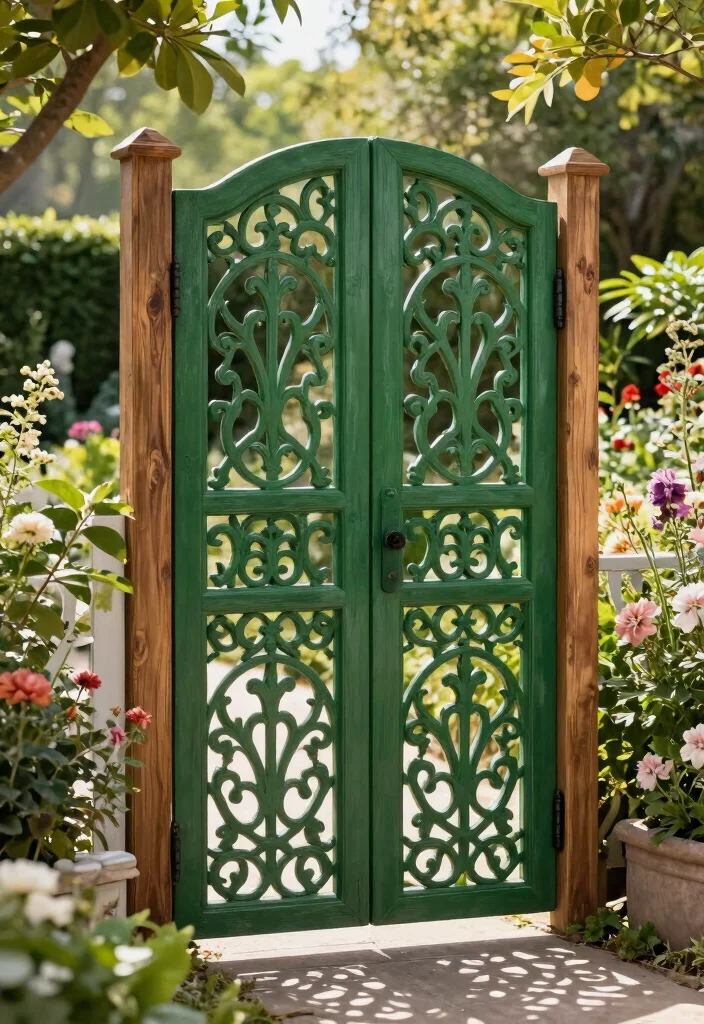
A decorative cattle panel gate can be the perfect touch to your garden, combining beauty with functionality. Customize it with unique designs that reflect your style, while ensuring your livestock remains secure. Adding rustic wooden accents or a contrasting paint color will make it stand out against your greenery.
You might consider incorporating fun elements like a unique latch or a small chalkboard for notes and reminders. This gate not only enhances security but also lets you showcase your creativity, making it a charming entrance to your farm.
Ideas for customizing your cattle panel gate:
– Add intricate designs for personalization
– Use contrasting colors for visual appeal
– Integrate a rustic wooden frame
– Include a chalkboard for messages
This decorative gate will impress visitors while keeping your animals safe and sound.

High quality raw materials: Our farm fence roll chooses the strength, toughness and ductility of low carbon steel wire as the inner core. This determines the basis of the high quality of our products

Upgrade iCover Privacy Screen For Fence: Our privacy screen is made of heavy-duty knitted net, measuring 4 ft high by 50 ft long. It is suitable for fences with a height of 4 ft or slightly higher. Please accurately measure your fence before purchase

Perfectly Protect Your Yard Privacy: 90% visibility blocking, prevent peeping outside the yard, block nose neighbors see through, protect safety and enjoy freedom. It can also prevent animals from entering your yard, block surrounding noise and street views, block dogs' sight and prevent bark.
4. Predator-Proof Cattle Panel Fence
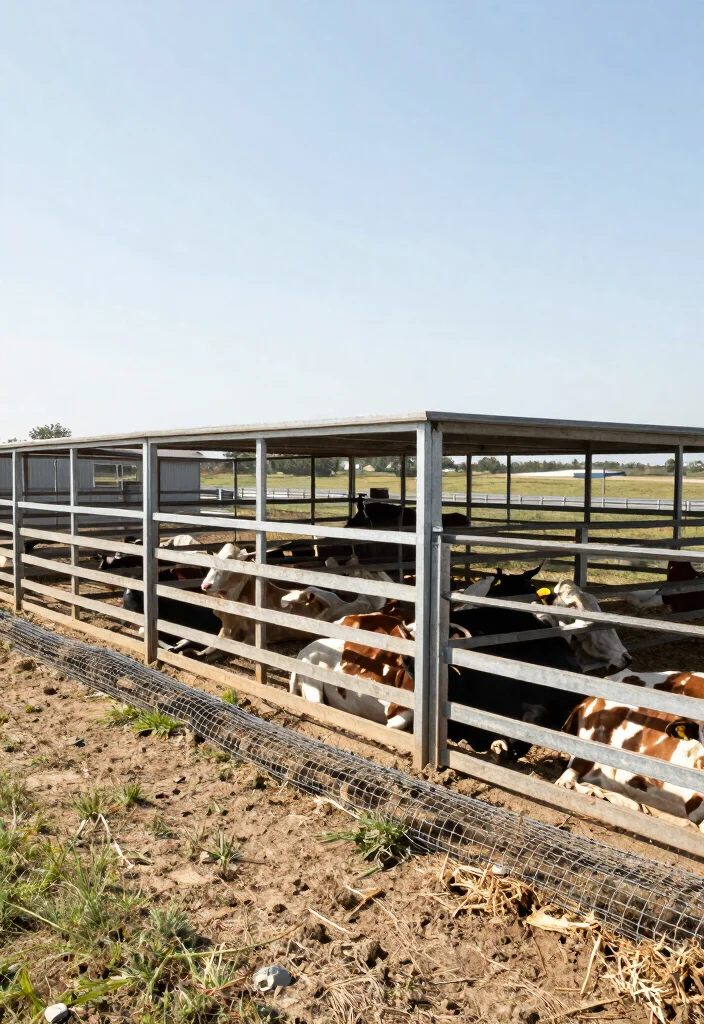
Your livestock’s safety is a top priority, and a predator-proof cattle panel fence provides that extra layer of security. Start with resilient cattle panels, then add an underground barrier to deter digging predators. This makes your enclosure much more secure.
Consider burying wire mesh at the base and adding barbed wire or electric fencing on top to protect against aerial threats. Regularly check for signs of wear or digging to maintain your fence’s effectiveness. This predator-proof setup allows you to relax, knowing your livestock is protected and secure.
Essential steps for a predator-proof fence:
– Install panels with added underground wire
– Use barbed wire for extra protection
– Regularly inspect for weaknesses
– Ensure panels are securely fastened
This approach creates a secure environment, giving you peace of mind as a farmer.
Fun fact: A predator-proof cattle panel fence with an underground barrier reduces digging breaches by up to 90%. Bury 12–18 inches of wire mesh and add barbed or electric top safety for best results. Regular checks keep the fence strong and livestock safe.

Value Set for Comprehensive Fence Projects: our livestock panel T-post connector set includes 12 reusable connectors designed to seamlessly join wire panels to T-posts or wooden posts; This ideal quantity supports fence repairs, pasture expansions, or trellis constructions, eliminating the need for extra fastening hardware

THE ORIGINAL PATENTED REPLACEMENT FOR COMMON WIRE FENCE STAPLES - Stop wasting time with traditional wire staples that demand hammering and finger-smashing frustration. With a quick drill, these fasteners deliver secure, easy, and pain-free installation, letting you focus on the job at hand, not the tools.
Value Set for Comprehensive Fence Projects: our livestock panel T-post connector set includes 100 reusable connectors designed to seamlessly join wire panels to T-posts or wooden posts; This ideal quantity supports fence repairs, pasture expansions, or trellis constructions, eliminating the need for extra fastening hardware
5. Multi-Functional Livestock Barrier
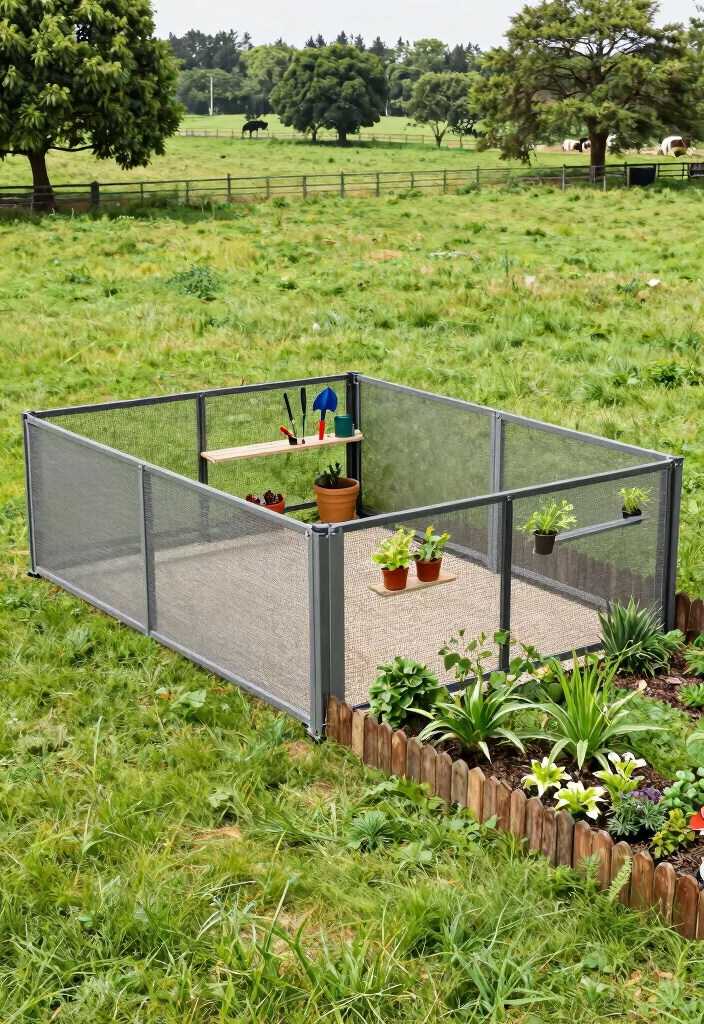
Looking for a smart way to keep your livestock secure while maintaining a beautiful garden? A multi-functional livestock barrier serves as both a protective fence and a vibrant garden border. This creative solution allows for the integration of shelving for tools or decorative elements, enhancing space efficiency.
Create sections with cattle panels to designate areas for different types of livestock or plants. You could set aside a spot for chickens and another for goats, streamlining your daily chores. Adding potted herbs or flowers along the panels creates a lovely display that combines beauty and practicality.
Ways to maximize your livestock barrier:
– Create designated areas for different animals
– Include shelving for gardening tools
– Add plants for visual appeal
– Use cattle panels for organization
This versatile barrier ensures your animals are secure while adding charm to your garden space.
Fun fact: a cattle panel fence can double as a stylish garden border, boosting usable space by up to 20%. It keeps livestock secure while you add shelves for tools or decorative touches. Split areas for chickens and goats, all in one smart barrier.

Sturdy Structure: The wire fence is woven from high-quality 14-gauge steel wire with a hot-dip galvanized surface. It has high hardness, durability, and excellent corrosion resistance, ensuring long-term use.

Size & Compatibility: These horse panel clamps fit round pipes with multiple standard OD sizes — 1‑3/8", 1‑5/8", and 1‑7/8", and work well with standard livestock panels. The clamping area accommodates wood boards up to 1.84 inches thick, securely attaching lumber to metal panels, no welding required

Secure Wood Attachment: precision-made to fit standard 1-5/8 inch horse corral panels; These panel clamps allow you to attach 2-inch thick lumber to the bottom or middle of panels without welding, helping keep bedding and dirt inside stalls
6. Raised Cattle Panel Garden Beds
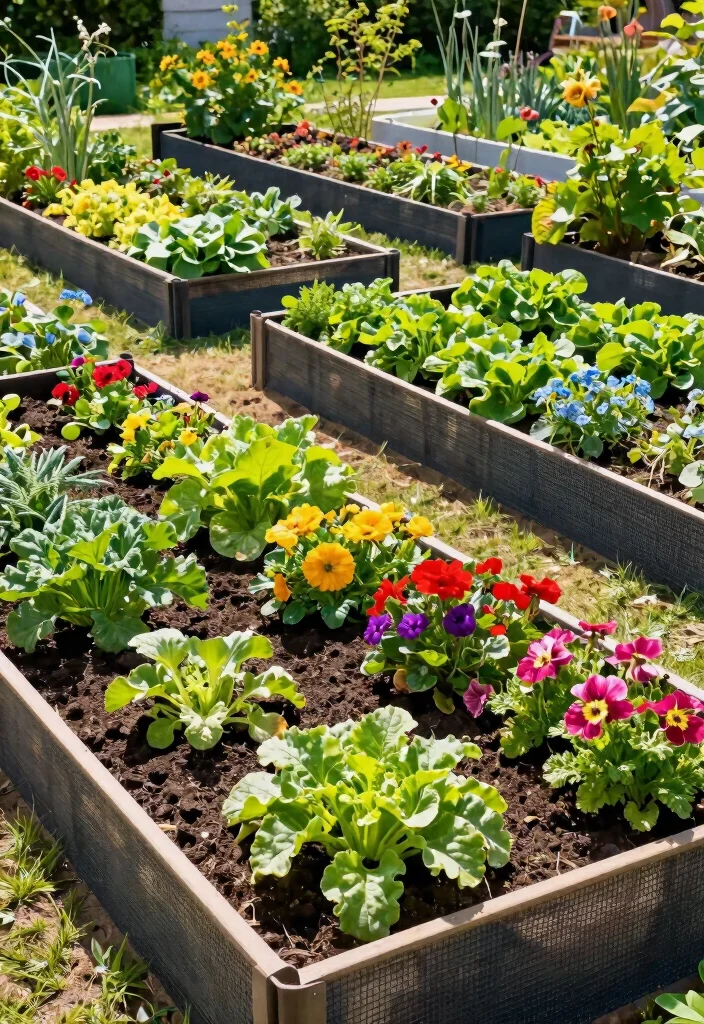
Elevate your gardening experience with raised beds enclosed by cattle panels. This design not only protects your plants from wildlife but also keeps your livestock away from delicate areas. The raised height makes tending to your plants easier, saving you from unnecessary strain.
Build a sturdy wooden frame and securely attach cattle panels around the perimeter. You can grow a mix of vegetables, herbs, and vibrant flowers that thrive in this setup. Incorporating companion planting can enhance growth, ensuring a bountiful harvest.
Key elements for raised cattle panel beds:
– Construct a strong wooden frame
– Use cattle panels for protection
– Grow a variety of plants for diversity
– Consider companion planting for health
These raised beds not only look great but also promote sustainable gardening practices.
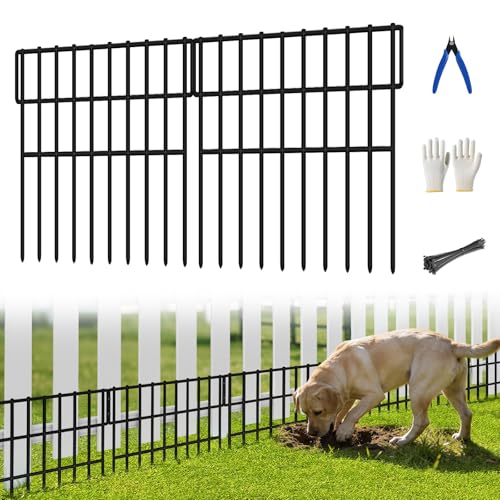
【WIDE APPLICATION】This no dig animal barrier is suitable as a path edge fence, lawn, garden, and vegetable garden border fence. They are effectively prevent small animals from escaping or entering under your garden fence, stopping them from burrowing and wreaking havoc in your backyard. 30 Panels garden animal barrier fence you can combine into different shapes such as Round Hexagonal Triangle Straight, Protection of your beautiful garden, yard and patio.

Prevent Predators:2 roll chicken coop predator proof apron total about 11-5/8in W x 65 ft L, expertly designed to effectively block predators.Extending the wire mesh to the bottom of the coop prevents predators from digging their way in

PRODUCT DIMENSION : Each fence for dog is 12 inches long and 17 inches high, with a fence pole clearance of 1.57 inches, a total of 10 Pack of fences, with a total length of about 10ft. It can effectively prevent small animals from digging the fence to enter or leave the garden.
7. Rustic Cattle Panel Privacy Fence
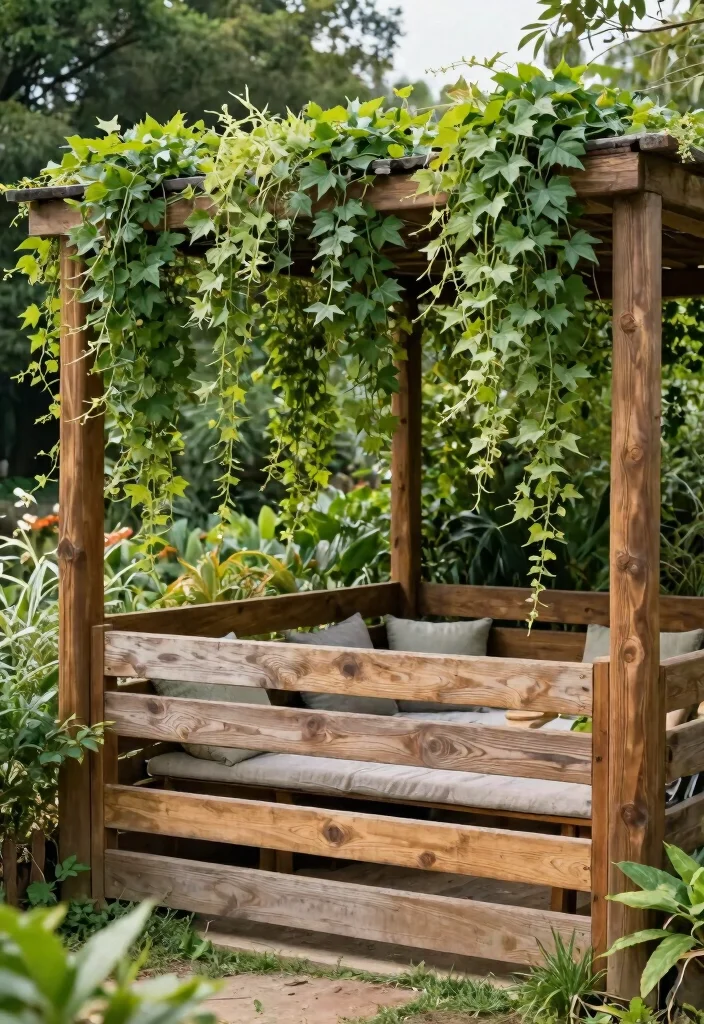
Create a cozy retreat in your backyard with a rustic cattle panel privacy fence. This design not only protects your livestock but also adds a touch of charm to your garden. By attaching cattle panels horizontally, you achieve visual interest while maximizing privacy.
Consider leaving spaces for climbing plants to soften the fence and enhance your garden’s look. Using reclaimed wood for posts will give your fence a weathered appearance that blends beautifully with nature. This fence provides security while elevating your garden’s beauty, creating a serene space for relaxation.
Elements of a rustic cattle panel fence:
– Attach panels horizontally for style
– Incorporate climbing plants for softness
– Use reclaimed wood for a natural look
– Ensure secure installation for safety
This fence adds rustic charm while keeping your livestock safe and your garden beautiful.

ELEGANT GARDEN ARCH TRELLIS – Transform your backyard into a beautiful garden retreat with this classic black metal garden arch. Create an inviting entrance along pathways, over garden beds, or among your favorite flowers and climbing plants.

【Upgrade U-Frame Design】Compared with the traditional A-frame trellis , our U-frame garden trellis for climbing plants outdoor is more stable and offers better air circulation. The U-shaped trellis for cucumbers provides climbing plants with a stable surface and maximizes the garden space, Providing an excellent growing environment for plants
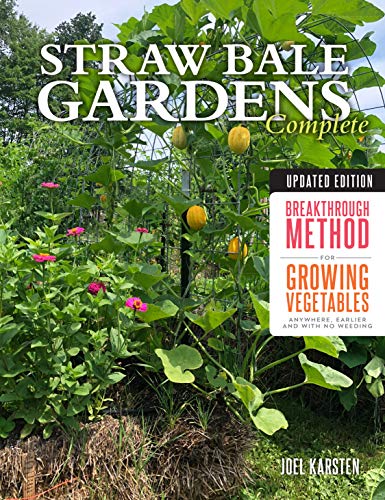
8. Cattle Panel Compost Bin Enclosure
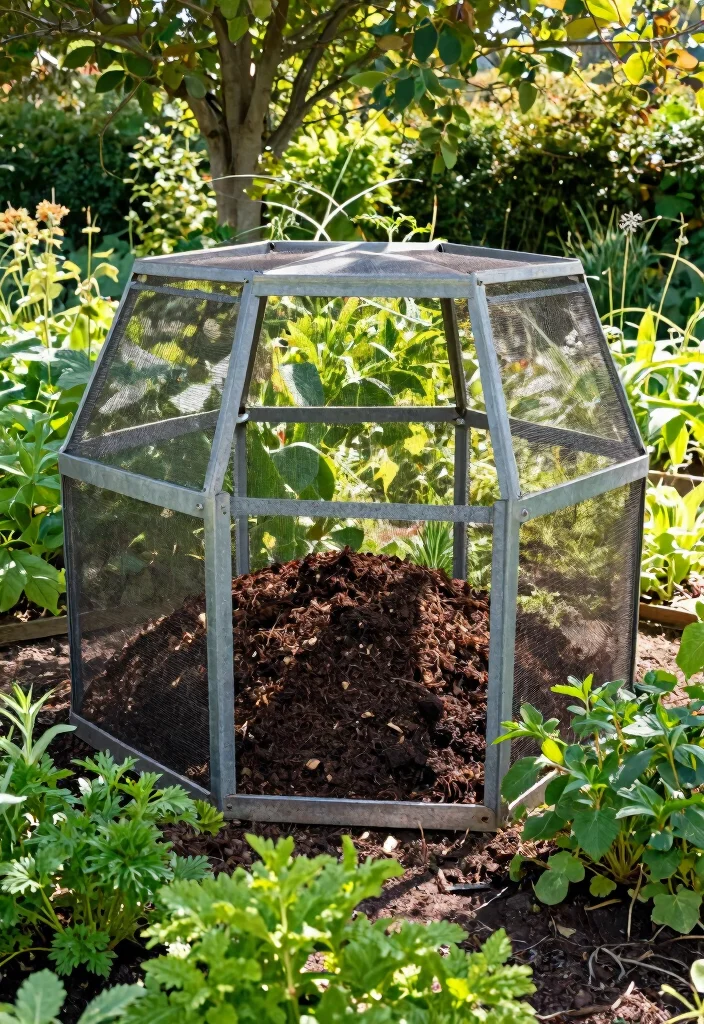
If you’re passionate about composting, consider building a cattle panel enclosure around your compost bin. This practical design keeps your compost contained while promoting airflow for effective decomposition. It’s an eco-friendly solution for any gardener.
Create a simple frame with cattle panels, ensuring it’s anchored securely in the ground. Leave an opening for easy access and turning of your compost. This enclosure helps organize your compost while preventing animals from disturbing your scraps. Planting herbs around the perimeter can enhance the beauty of your composting area.
Steps for a cattle panel compost bin:
– Build a sturdy frame with cattle panels
– Ensure easy access for composting
– Prevent animal access with secure panels
– Plant herbs for added beauty
This setup keeps your compost area neat and supports sustainable gardening practices.

Sturdy Structure: The wire fence is woven from high-quality 14-gauge steel wire with a hot-dip galvanized surface. It has high hardness, durability, and excellent corrosion resistance, ensuring long-term use.

WIDELY USED - Farm Fence also called Grassland Fence,Cattle Fence,Livestock Fence Deer Fence and Field Fence which is a widely used in all terrains,like farm,orchard,corrals,pastures,grassland,forestry and highway.

Neighbor Privacy, Not Blackout: Blocks direct line-of-sight while allowing airflow — designed for comfortable backyard privacy, not a solid wall or tarp.
9. Artistic Cattle Panel Fence Design
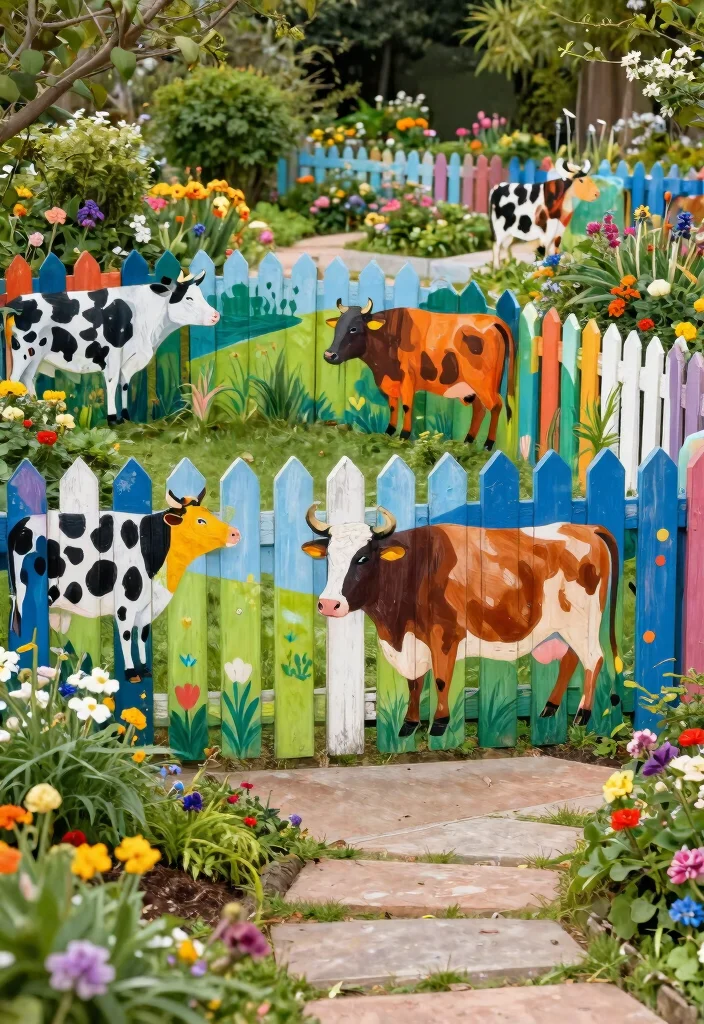
Unleash your creativity with an artistic cattle panel fence design that adds a unique flair to your garden. This approach allows you to personalize your panels, turning them into a canvas for your artistic expression. With weather-resistant paint, you can create stunning geometric patterns or themed decorations.
This not only enhances your garden’s visual appeal but also sparks conversations among visitors. Feel free to change your designs seasonally to keep things fresh and exciting. An artistic fence draws attention while blending function and creativity in your outdoor space.
Ways to design your artistic cattle panel fence:
– Use weather-resistant paint for durability
– Experiment with geometric shapes or themes
– Update designs to reflect seasonal changes
– Create a focal point that engages visitors
This artistic fence transforms your garden into a vibrant showcase of your creativity.
Value Set for Comprehensive Fence Projects: our livestock panel T-post connector set includes 2 reusable connectors designed to seamlessly join wire panels to T-posts or wooden posts; This ideal quantity supports fence repairs, pasture expansions, or trellis constructions, eliminating the need for extra fastening hardware

Fixed Scratching Area: This livestock scratching post gives cattle, horses and goats a dedicated place to rub, scratch and self-groom, helping redirect contact away from fences, gates, feeders and barn structures.

Ease of use: simple and convenient to install, these clips save time and effort during the installation process,cattle fence,fence wire clamps
10. Cattle Panel Shade Structure
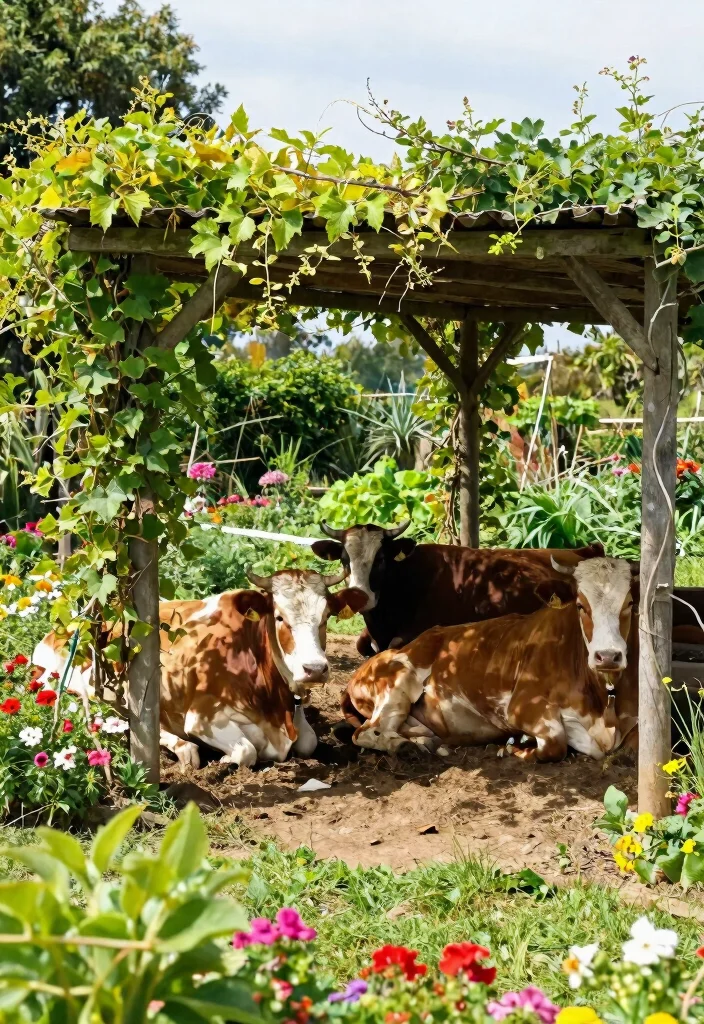
Provide relief from the summer sun with a cattle panel shade structure that benefits both livestock and garden plants. This design creates a sheltered area where your animals can rest while your plants thrive without the risk of sunburn.
Construct a strong frame with cattle panels and strategically position it within your garden. You can cover it with shade cloth or let climbing plants grow over it for natural coverage. This structure adds vertical interest while serving a practical purpose in your garden.
Key considerations for a cattle panel shade structure:
– Build a sturdy frame for support
– Cover with shade cloth or climbing plants
– Position wisely for maximum shade
– Ensure secure anchoring for stability
This shade structure enhances comfort for both your livestock and plants, creating a balanced environment.
11. Cattle Panel Windbreak Fence
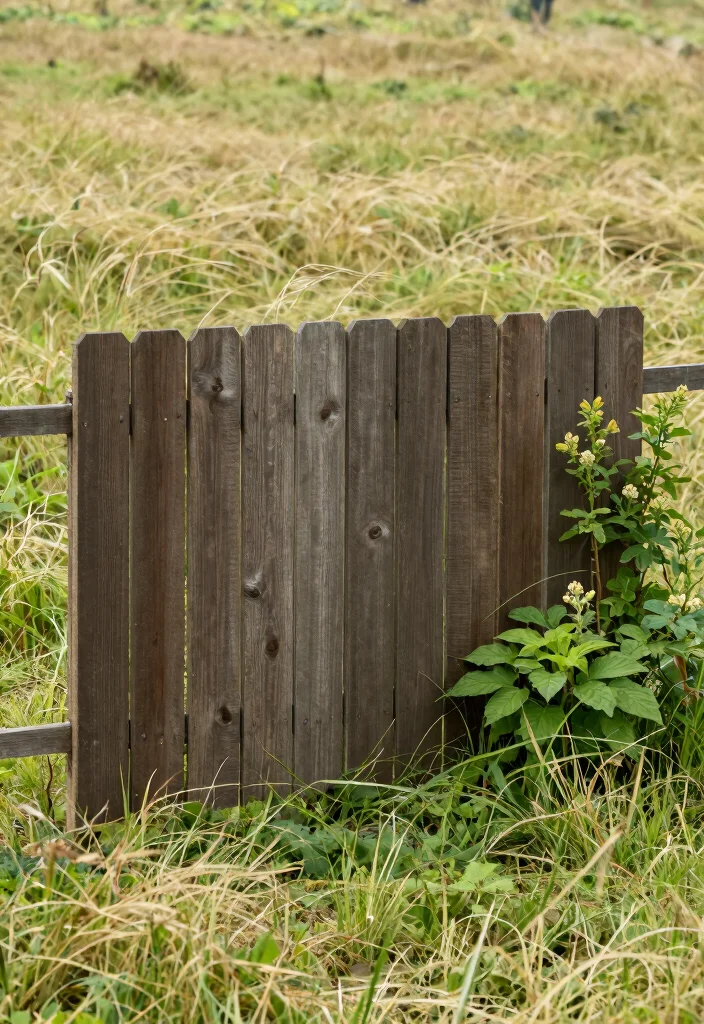
Protect your livestock and crops from harsh winds with a cattle panel windbreak fence. This essential structure reduces wind speed, creating a more stable environment for sensitive plants. It’s a must-have in windy areas.
Install your cattle panels close together to form a solid barrier, and consider adding burlap or shade cloth for extra protection. This setup helps maintain temperature and prevents soil erosion caused by strong winds. Investing in high-quality panels ensures your fence stands up to the elements while keeping your plants and animals secure.
Steps for building a windbreak fence:
– Install panels closely for a solid barrier
– Add burlap or shade cloth for wind protection
– Ensure panels are strong enough for winds
– Regularly inspect for wear and stability
This windbreak fence keeps your livestock safe and supports healthier crops in challenging conditions.
12. Cattle Panel Wildlife Habitat
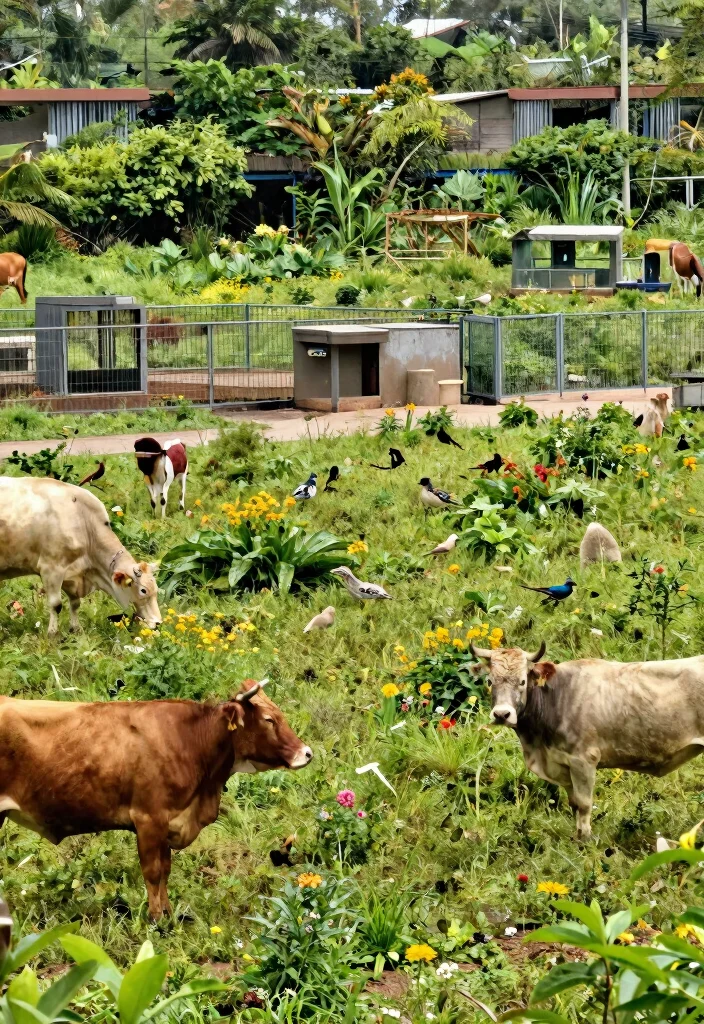
Create a welcoming sanctuary for local wildlife with a cattle panel enclosure that fosters biodiversity. This innovative design attracts beneficial insects, birds, and small mammals, promoting a thriving garden ecosystem.
Build your enclosure using cattle panels, ensuring it’s spacious enough for various wildlife. Incorporate native plants that provide food and shelter, creating an inviting habitat. Adding small water sources, like birdbaths, will further encourage wildlife visits. This setup not only enhances your garden’s health but also deepens your connection to nature while keeping your livestock secure.
Key components for a wildlife habitat:
– Ensure ample space for diverse wildlife
– Use native plants for food and shelter
– Add water sources for attraction
– Create a balanced ecosystem within your garden
This cattle panel habitat supports wildlife while enriching your garden experience.
Conclusion
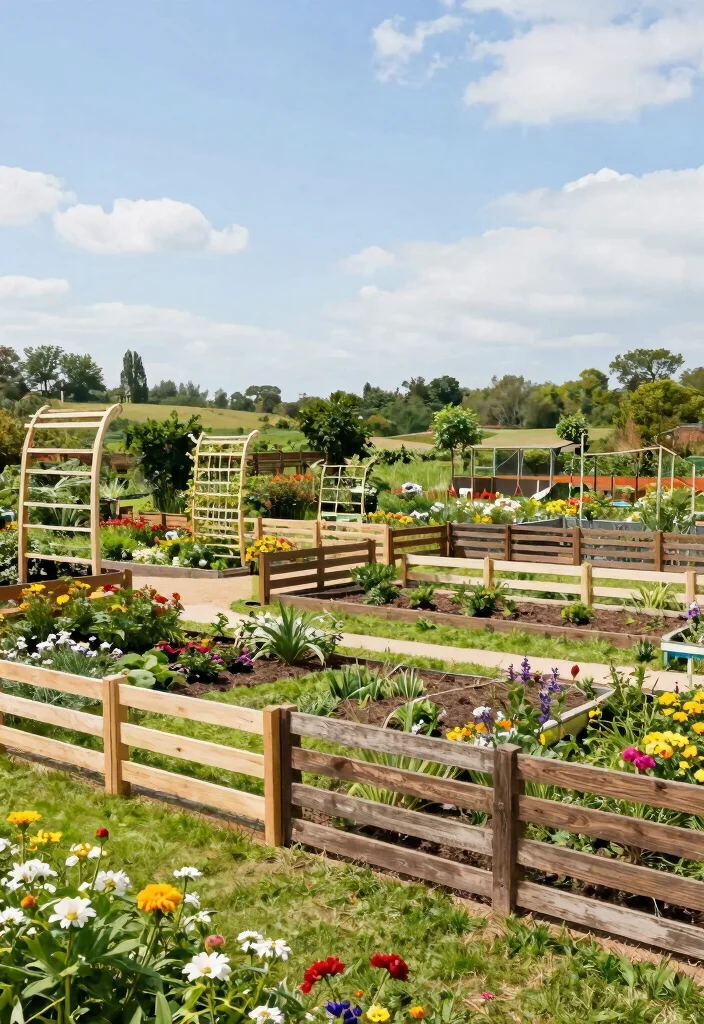
Cattle panels are more than just livestock fencing; they offer endless possibilities for creative garden designs. From trellises to secure enclosures, these versatile barriers can enhance the safety and beauty of your outdoor spaces.
Whether you’re looking to create a cozy nook for your animals, a vibrant garden display, or a functional compost area, there’s a cattle panel solution for everyone. With a bit of creativity and planning, you can design a sustainable garden that keeps your livestock safe and attracts nature’s beauty.
Frequently Asked Questions
What are the best cattle panel fence ideas to keep livestock in and predators out?
The article ’12 Cattle Panel Fence Ideas That Keep Livestock In and Predators Out’ highlights practical, durable options that blend functionality with garden appeal.
Start with sturdy posts and bury the base a few inches to deter predators and prevent livestock from pushing under the fence.
Use durable livestock barriers by pairing steel panels with poultry netting at the bottom or a galvanized apron.
For a multi-use approach, weave cattle panels into cattle panel garden trellis designs to support climbing plants while maintaining containment, giving you creative fence designs that work in both garden and pasture settings.
Consider height, visibility for animals, and gate placements to optimize access and supervision.
How can I repurpose cattle panels into durable livestock barriers for a sustainable garden?
Cattle panels aren’t just for corrals; they can become powerful durable livestock barriers around raised beds, compost areas, and fruit trees.
Start by measuring the space, choosing sturdy posts, and spacing panels so the fence is at least 4 feet high for most livestock. Bury the bottom 6–12 inches or add a welded wire apron to hinder digging and create predator proof fencing at the base.
Attach the panels to posts with heavy-duty clamps or hog rings, then explore reconfiguring them into a cattle panel garden trellis for vertical garden projects, which is a great example of creative fence designs in a sustainable backyard.
Are cattle panel fences easy to install for a DIY gardener?
Absolutely. If you can swing a hammer, you can start a simple cattle panel fence project in a weekend.
Plan the perimeter, mark posts at 8-foot intervals, and predrill to avoid panel bending. Install the posts, straighten and anchor the panels with hog rings or U-bolts, and add a gate using a simple hinge-and-latch setup.
For a predator-proof touch, bury the base or attach a predator proof fencing apron. This is a practical way to create durable livestock barriers that still looks great in a garden environment and demonstrates creative fence designs that are easy to maintain.
What features make a cattle panel fence predator-proof?
Key features include a low ground clearance, a buried or apron base, and a strong attachment to posts.
Wrap the bottom with hardware cloth or welded wire fencing to block digging, and consider a small foot-wide concrete or soil apron to deter burrowing predators. Use predator proof fencing strategies such as outward-curving panels, secure gates, and reinforced corners. Elevate the fence to the animals’ eye level to improve monitoring and reduce temptation to push through. When designed well, a cattle panel fence becomes a reliable durable livestock barrier.
Can I use cattle panel fences as garden trellises while keeping livestock contained?
Yes. A big win with cattle panel garden trellis designs is dual function: containment and vertical gardening.
Choose panels with the right height for your animals, and place trellis sections along garden borders to support vine crops like beans, cucumbers, and espalier fruit trees. This approach gives you creative fence designs that double as productive garden features while acting as durable livestock barriers to keep predators at bay.
Remember to secure gates and provide easy access paths for daily care.
Related Topics
cattle panel fence
livestock fencing ideas
predator proof fencing
sustainable gardening
cattle panel garden trellis
durable livestock barriers
creative fence designs
DIY garden projects
easy livestock enclosures
rural living
farmstead solutions
homesteading tips