

I learned the hard way that most sofas last 7 to 15 years, though my first “adult” purchase had flat cushions in 36 months, total heartbreak. Budget frames, such as particleboard, often crumble in 3 to 5 years, while mid-range pieces typically last 7 to 12 years. Splurge on kiln-dried hardwood and dense foam, and you’re looking at 15 to 20+ years of Netflix marathons. Your lifespan varies based on construction quality, daily use, and whether your dog thinks the armrest is a scratching post. The real secrets to stretching that lifespan sit in the details ahead.
How Long Do Sofas Actually Last?
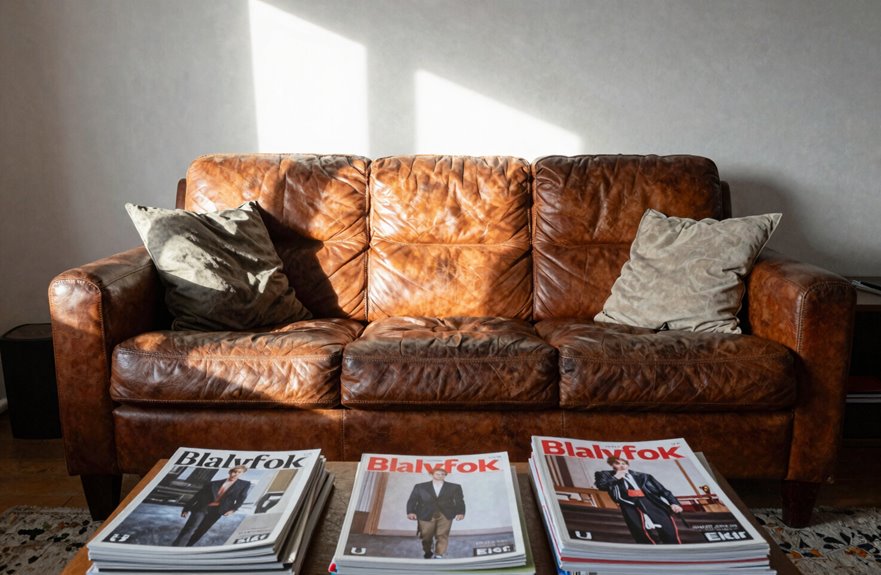
So, how long does a sofa actually last? Most sofas last 7–15 years, with construction and foam density determining durability. That squishy discount find with 1.5 lb/ft³ foam will need replacement in 1–3 years. Upgrade to 2.0+ lb/ft³ density and you can expect a decade of support.
Upholstery materials matter significantly. Leather grades range from 3 years to 20+ years of durability. Bonded leather, for example, typically cracks within a few years.
Watch for signs of wear: sagging that won’t bounce back, creaky frames, and persistent odors. These indicate your sofa’s lifespan is ending.

✅ 3 PCS Sofa Set: The 3-piece sofa set will be sent in 3 packages. Including an armchair, loveseat and a 3-seater couch, which can be freely combined and is very suitable for different living room spaces. 3 Seater Sofa Size: 76.3"L x 29.5"W x 32.2"H; Loveseat Size: 53.5"W x 29.5"D x 32.2"H; Armchair Size: 30.7"W x 29.5"D x 32.2"H.

EXQUISITE CRAFTSMANSHIP: Meticulously crafted with a kiln-dried hardwood frame and solid stainless steel legs showcasing durability; The 3 piece living room set includes the sofa, loveseat, and chair

✅ 3 PCS Sofa Set: The 3-piece sofa set will be sent in 3 packages. Including an armchair, loveseat and a 3-seater couch, which can be freely combined and is very suitable for different living room spaces. 3 Seater Sofa Size: 76.3"L x 29.5"W x 32.2"H; Loveseat Size: 53.5"W x 29.5"D x 32.2"H; Armchair Size: 30.7"W x 29.5"D x 32.2"H.
Budget, Mid-Range, or High-End: Which Lasts Longer?
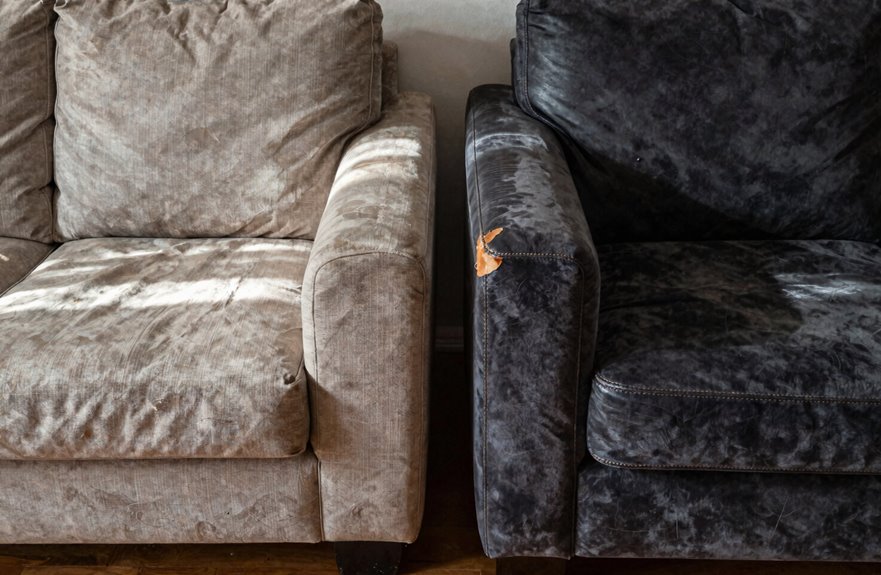
I used to think a sofa was just a sofa until I sat on my friend’s $2,000 sectional and realized I’d been living on what felt like a wooden plank wrapped in discount fabric. Budget sofas typically give you 3–5 years before the cushions go flat and the frame starts wobbling. Mid-range options stretch that lifespan to 7–12 years with better construction, denser foam, and sturdier joints. High-end pieces offer 12–20+ years of actual comfort. The difference isn’t just price. It’s kiln-dried hardwood frames that won’t warp, cushions with 2.0+ lb/ft³ density that bounce back, and leather that ages beautifully instead of peeling. A quality sofa will support regular use across multiple generations of family gatherings and daily living.

Polyurethane foam. compress by 1 inch

Proudly Made in the USA!
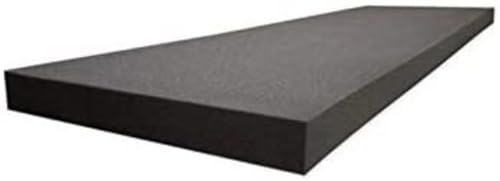
Serious Support with 1.8 Density Not too soft, not too stiff - Just right, Ideal for seat cushions, bench padding, packaging inserts, and more.
Why Your Sofa Frame Matters More Than You Think
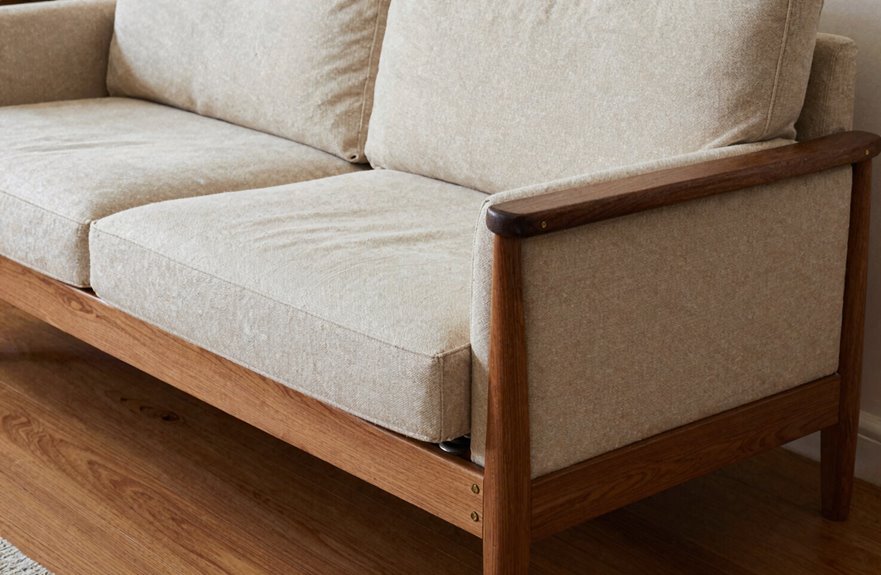
I’ve learned the hard way that a sofa’s frame is everything. My first couch, that gorgeous velvet thing with particleboard bones, started wobbling within three years. Kiln-dried hardwood, corner blocks, double-dowel joints; these aren’t just fancy words salespeople throw around. They’re the difference between a decade of lazy Sundays and a trip to the curb before you’ve even worn in the cushions. You can reupholster and restuff, but once that frame fails, replacement becomes necessary. Lift the skirt, check the joinery, and don’t let pretty fabric distract you from what really counts.

Comfortable Experience: Grepatio sectional sofa is made of fine retro pu leather material, which is skin-friendly and breathable. The high-density foam and the upgraded backrest with headrest pillow provide good support and ultimate comfort. You can relax in your living room watching TV or taking a nap throughout the day.

Oversized Deep Seat Sectional Sofa: Each individual seat size: 33.86 inches wide x 34.25 inches deep x 37.4 inches high, far exceeding most sofas. The backrest height is increased from the common 16.5 inches to 19.7 inches,which can more comfortably support your back and neck.The EASE MOOSE oversized Modular couch has added a larger faux leather couch and upgraded multiple functions, which will bring you a brand new sitting experience.

Fully upholstered in the finest 100% Italian Nappa 11000 top grain leather for a premium and sophisticated look and feel.
Frame Material Durability
Why do we obsess over fabric swatches and cushion firmness when the real hero of sofa longevity is hiding underneath? Frame durability determines whether your sofa becomes a family heirloom or a wobbly regret.
Kiln-dried hardwood, like maple or oak, resists warping and delivers decades of structural integrity. Those reinforced corners and solid seat supports provide protection against the dreaded creak-and-sag. Particleboard frames deteriorate within years while hardwood frames function reliably for 20 years or more.
Picture this:
- A solid oak frame, tight and silent, supporting three generations of movie nights
- Reinforced corners withstanding your teenager’s flop-downs
- Seat supports that refuse to bow, even after years of use
Treat it gently and distribute weight evenly. That frame will reward you with durability, your spot, your story, your sofa.
Joint Construction Quality
How exactly does a sofa hold itself together through thousands of sit-downs, stretch-outs, and the occasional jumping kid? The answer lies in joint construction, something I learned when my first couch started groaning like a haunted house door.
Kiln-dried hardwood frames give you that rock-solid foundation, but without reinforced joinery, think corner blocks, dowels, and double-dowels, you’re basically sitting on a ticking time bomb of wobble. Solid frames with proper joint construction distribute weight effectively, eliminating creaks, cracks, and the embarrassment when guests flop down.
Frame quality is not boring engineering talk. It determines whether your sofa becomes a family heirloom or landfill fodder in five years. Durability starts where you cannot see it, and that’s exactly where it matters most.
Long-Term Structural Integrity
Joint construction sets the stage, but ignoring your frame’s groaning for months is a costly mistake. That creak isn’t character; it’s your sofa’s structural integrity signaling damage.
A kiln-dried hardwood frame resists warping, wobbles, and the daily wear that kills cheaper construction. Particleboard can collapse mid-movie night, while proper durability means 12–20+ years of reliable service.
Picture this:
- Your kids launching onto cushions that bounce back because solid seat supports don’t quit
- Reinforced corners holding strong through every game night debate and nap marathon
- Dowel joints staying silent, with no squeaks or noise when guests use your couch
When rails crack or wobbles start, you’re often rebuilding. Invest in quality frame construction to avoid costly repairs down the line.
Why Cushion Density Determines Long-Term Comfort
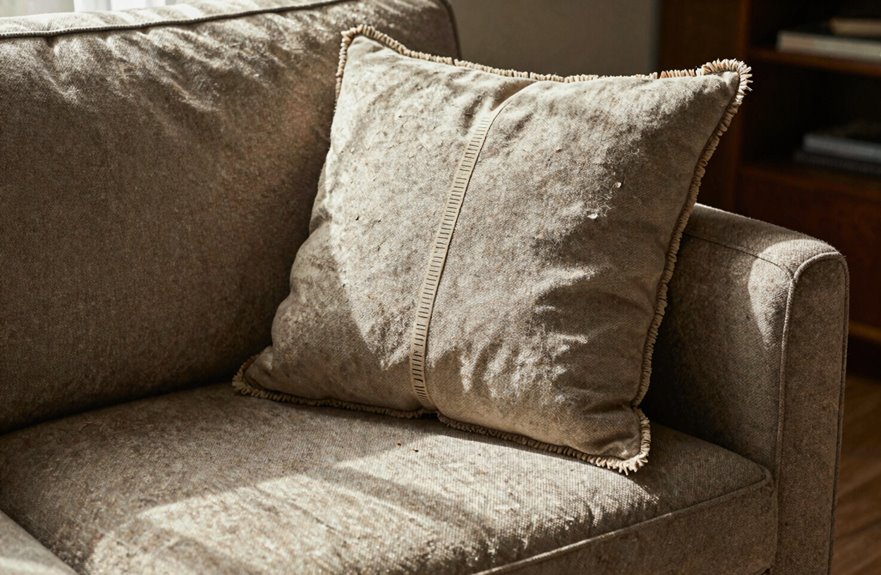
Where exactly does your sofa start to fail? The frame rarely gives up first. It’s the cushions that sag into that hollow valley where your bottom disappears. That’s bottoming out, and cushion density determines whether you’ll sink uncomfortably or maintain support for a decade.
| Foam Density | Lifespan | What You’ll Feel |
|---|---|---|
| Under 1.5 lb/ft³ | 1–3 years | Immediate regret, daily sinking |
| 1.8 lb/ft³ | 5–7 years | Gradual surrender, acceptable compromise |
| 2.0+ lb/ft³ (high-density foam) | 7–10+ years | Lasting resilience, genuine comfort retention |
High-density foam delivers measurable benefits. The foam durability transforms living spaces into comfortable environments where cushions retain their structure. Sofa longevity depends on material quality and density specifications. Your furniture investment performs better when cushions resist compression over time.

LONG-LASTING SUPPORT - Our sofa support for sagging cushions targets couch cushion sagging issues, effectively eliminating sag and collapse on sofas/armchairs from prolonged use. This sagging couch support under cushion adds extra cushioning support for drooping seats, restoring stable support and comfort for all-day cozy sitting.

BIG UPGRADE – LAVEVE couch support features an ergonomically designed thickness. Its upgraded multilayer solid wood composite structure is designed to effectively solve sagging couch cushions while maintaining the right balance of firm support and comfortable flexibility. Each board supports up to 400 lbs for reliable, long-lasting support.

ADD STRONG, LONG LASTING SUPPORT TO COUCHES AND SOFAS: easily and quickly upgrade your sagging couch or sofa with our ultra-strong, high-quality plywood sofa cushion support board; adds extra support and comfort to couches with sagging frames, cushions, or worn-out springs; our sofa support boards are 21.5” wide to cover more surface area, providing more couch cushion support for sagging couch seats
Leather or Fabric: Which Upholstery Holds Up Longer?
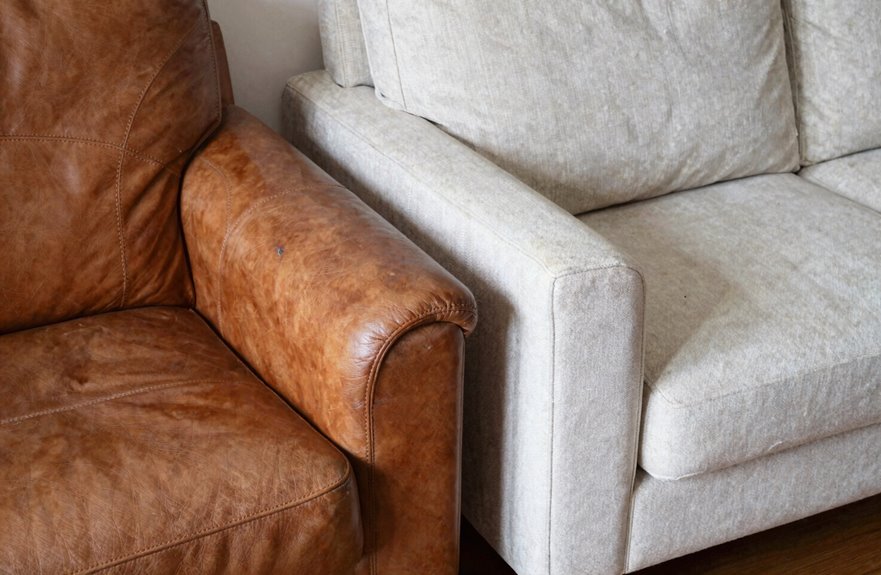
I’ve agonized over this choice myself, standing in showrooms and examining swatches closely. Top-grain leather will withstand a decade or two of movie nights and spilled wine without issue, but today’s performance fabrics deserve consideration. They’re rated for 30,000+ rubs without breaking down. The choice ultimately depends on how much maintenance you’re willing to provide, because even the toughest material will deteriorate if neglected.

Package: 4 x Sets of Sofa Pin Style as Pics
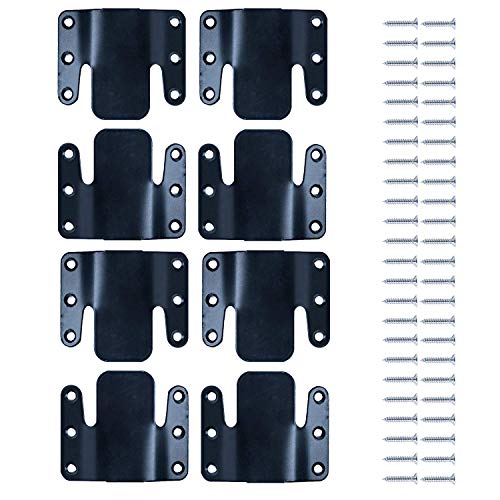
Size: Sectional couch connectors measure 2.95 x 2.6 inches and include screws, 8 pieces (4 sets). These modular couch connectors keep your sectional secure and stable.

SECURE YOUR SECTIONAL WITH CONFIDENCE - The Couch Clamp PRO is your reliable solution for keeping sectional couch connectors securely attached, eliminating annoying gaps. Bid farewell to the frustration of slipping through sofa gaps with this easy-to-install 4-pack that ensures a seamless and sturdy connection for your couch and sofa. Transform your living space into a haven of stability with Couch Clamp PRO.
Leather Durability Advantages
Most folks don’t realize how dramatically leather grades can shift the lifespan of your sofa. I’ve watched bonded leather crumble in three years flat, while my aunt’s full-grain leather couch remains gorgeous after twenty-five years.
What separates the survivors from the landfill:
- Top-grain leather develops that rich, caramel patina like your favorite leather jacket, but you actually get to sit on it.
- Full-grain leather shows every scratch as character, not damage, because those natural fibers resist cracking.
- Pet-friendly upholstery means watching your Great Dane launch onto the cushion then wiping it clean in thirty seconds.
With regular conditioning and keeping it out of brutal afternoon sun, you’re investing in furniture that lasts decades. Full-grain leather sofas typically maintain structural integrity and appearance for 20+ years with proper care, while bonded leather may fail within 3-5 years.
Fabric Performance Comparisons
Leather’s gorgeous, sure, but don’t overlook what modern fabrics can do. Performance fabrics absolutely excel in busy homes with kids, dogs, and inevitable spills. These materials exceed 30,000 double rubs, resisting stains that would ruin standard upholstery. My own cushions have survived juice boxes and muddy paws without visible damage.
On longevity, top-grain leather lasts 10–20 years and develops a coveted patina, but performance fabrics resist wear differently. They keep their color, their finish stays crisp, and cleanup requires no special conditioners. Faux leather cracks, peels, and deteriorates quickly.
For pure lifespan in high-traffic environments, performance fabrics deliver superior results. Your cushions will maintain their appearance through years of daily use.
Maintenance Impact Longevity
Why does my leather sofa look ancient while my neighbor’s fabric couch still pops? Maintenance separates survivors from casualties in the longevity game.
Here’s what I’ve seen in the trenches:
- Leather demands devotion. Skip conditioning, and it cracks like sunburned skin, while fabric with a tight weave resists neglect far better.
- Spills tell brutal truths. Red wine vanishes into protected performance fabric, but soaks into leather before you can react.
- Cushion durability hides beneath. High-density foam keeps shape for a decade; cheap stuff collapses within months.
My bonded leather died at four years. Her 30,000+ double rub fabric? Still performing well. Choose your material, but commit to the care required, or watch your investment fail.
Does Daily Use Speed Up Sofa Wear?
How quickly does a sofa really fall apart when it’s the star of your daily life? Faster than you’d hope. Daily use absolutely accelerates wear, shaving years off your furniture’s lifespan. My own living room sofa has sagged while a formal sitting room piece stays intact, illustrating the difference between heavy and light use.
What saves you: high-density foam (look for 2.0+ lb/ft³) fights cushion fatigue for 7-10 years, while cheap stuff collapses in 1-3. Frame quality matters enormously. Kiln-dried hardwood withstands daily stress while particleboard fails. Fabric durability also counts; performance textiles with 30,000+ double rubs withstand Netflix marathons and afternoon naps.
The numbers are straightforward: constant-use sofas last around 7-12 years, but occasional seating pieces reach 15-20 years. Selecting quality materials directly determines how long your daily sofa will perform reliably.

Kiln-dried hardwood frame with reinforced corner blocks

Kiln-dried hardwood frame with reinforced corner blocks

COMPATIBILITY: These wooden pins are fully compatible with part 101353 used in various IKEA furniture pieces including TORNSBORG seat sofas, HEMNES drawers/dressers, GULLIVER bed frames, SÄLLSKAP chairs/benches, and NORDBYN tables.
How Kids, Pets, and Spills Shorten Lifespan
I’ve watched my own couch take a beating from juice box explosions and a cat who thinks scratching is a competitive sport. Kids and pets don’t just use furniture, they test its very soul. That cozy sectional you picked out is now a trampoline, a nap spot, and occasionally a canvas for marker art. Between muddy paw prints and mysterious sticky spots, these little chaos agents can slash years off your sofa’s life. The combination of constant use, accidents, and damage means your furniture won’t last as long as it would in a child-free, pet-free home.

HIGH QUALITY – Foamy Foam High Density Upholstery Foam is the best option for Seat Cushion Replacement, Couch Cushion Replacement, Bench Cushion Replacement, and variety of other upholstery projects.

REVIVE WORN-OUT CUSHIONS – Replace flattened or sagging foam instead of replacing the entire piece of furniture. A fresh foam insert helps bring back cushion shape, support, and everyday comfort while letting you keep the furniture you already love.

MADE IN USA – CUSTOM FOAM CUT TO YOUR ORDER: Each piece is custom cut in the USA according to the dimensions you provide. A convenient choice for sofa cushion replacement, couch cushions, upholstery restoration and DIY furniture projects.
Impact of Kids
Because I learned this the hard way, nothing tests a sofa’s durability quite like daily family life. Juice boxes tip mid-cartwheel, muddy paws launch onto cushions, and mysterious crunches appear wedged deep in the frame three months later.
Kids impact your sofa lifespan dramatically, often cutting it to 5–10 years through constant use and entropy. Family use means continuous wear and tear: cushions flatten from fort-building, springs groan under trampoline sessions. Spills and stains seep into seams, degrading adhesives until the whole seat sags. Durable upholstery buys you time. Microfiber, performance velvet, and treated fabrics are your best options.
- A sticky purple handprint announcing itself on pale linen
- A chocolate milk tsunami cresting over armrest, slow-motion inevitable
- That crunch, finally revealed: a fossilized chicken nugget, somehow triumphant
Protect it and clean fast, and you’ll extend the sofa’s life by 1–3 more years despite heavy family use.
Pet Wear Effects
Pet ownership brings muddy paws and unconditional love, and my sofa has paid the price. I’ve watched my greyhound’s claws turn my velvet sectional into abstract art. Pet wear is real. Between his zoomies and my toddler’s juice boxes, spills happen faster than I can grab a towel. That upholstery wear is not just cosmetic; it’s structural damage to your cushions.
| Damage Type | Culprit | My Prevention Hack |
|---|---|---|
| Deep scratches | Claws on arms | Throws, always throws! |
| Cushion wear | Nesting behavior | Rotate weekly, cry monthly |
| Permanent stains | Mystery spills | Performance fabric, lifesaver |
Durable fabrics are not boring; they are practical necessities. Pet-friendly materials like leather or tight-weave synthetics extend furniture lifespan by years. My current sofa remains functional because I invested in proper protection methods.
Does a Small Space Wear Out Sofas Faster?
Why does my tiny apartment sofa look like it’s been through a small war after just three years? I’ve asked myself this staring at my own compact sectional. In small spaces, we beat our poor furniture into submission because it’s the only throne we’ve got. That wear-out reality hits hard when you’re binge-watching for the sixth straight hour.
Here’s what relentless small-space living actually looks like:
- That one perfect cushion, permanently mashed into submission, holding your exact butt print like a memory foam crime scene
- Armrests polished shiny by endless scrolling, greasy with popcorn oil and existential dread
- Corner modules absorbing every emotional collapse, every celebratory leap, every awkward first date
But sofas last longer when we fight back. Durability means choosing kiln-dried hardwood frames and high-density cushions that refuse to surrender. Smart maintenance, such as rotating cushions, blocking harsh sun, and immediate spill patrol, extends lifespan to 8-12 years instead of the typical 5-year decline. Modular designs help too; swap modules instead of discarding everything.

Luxurious Materials: The Artisan accent chair from Valencia is fully upholstered in Italian Nappa Leather that is Italian tanned leather, offering unparalleled luxury and a premium feel that only top-quality materials can provide.

3-in-1 Convertible Sleeper Sofa for Maximum Versatility:Transform your living space with this 3-in-1 Convertible Sleeper Sofa Bed. With two length options, it easily adjusts to meet your needs—use it as a comfortable chaise lounge for relaxing or fully extend it into a spacious King-size bed for overnight guests. Whether it’s for lounging or sleeping, this pull-out sofa ensures versatility and comfort for any occasion.
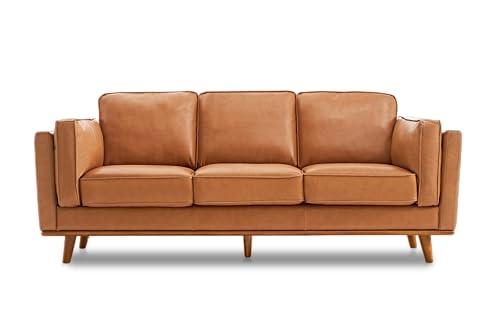
Luxurious Materials: The Artisan couch from Valencia is fully upholstered in Italian Nappa Leather that is Italian tanned leather, offering unparalleled luxury and a premium feel that only top-quality materials can provide.
Is Your Sofa Dying? 6 Signs to Check
My tiny apartment sofa might survive the small-space grind, but lately I’ve started side-eyeing it like a suspicious mole. When did that dip get so deep? That permanent sagging is one of the clearest signs your cushions or springs are no longer bouncing back like they used to.
Durability depends on tough fabric and frame integrity. When mine started creaking like a haunted house staircase, I had structural problems. Check your upholstery for tears, holes, or sun-bleached fading that indicates significant wear. That mysterious lingering smell points to deep cushion issues.
Uneven support means your sofa’s comfort is declining even if the frame holds. These wear patterns show you exactly when to repair, reupholster, or replace the sofa.
BIG UPGRADE – LAVEVE couch support features an ergonomically designed thickness. Its upgraded multilayer solid wood composite structure is designed to effectively solve sagging couch cushions while maintaining the right balance of firm support and comfortable flexibility. Each board supports up to 400 lbs for reliable, long-lasting support.

BIG UPGRADE – LAVEVE couch support features an ergonomically designed thickness. Its upgraded multilayer solid wood composite structure is designed to effectively solve sagging couch cushions while maintaining the right balance of firm support and comfortable flexibility. Each board supports up to 400 lbs for reliable, long-lasting support.

REPLACE SAGGING SOFA CUSHIONS IN MINUTES — This under couch cushion support for sagging seats is a direct drop-in fix for couches, loveseats, and sectional pieces with sagging or worn-out seat cushions. Simply remove your cushions, unfold our sofa support board across the seat frame, and place your cushions back on top. No tools, no hardware, no hassle. Restore a firm, level seating surface instantly and stop that "falling into a hole" feeling for good.
Can New Cushions Save Your Old Sofa?
I’m open to it. Replacement cushions can absolutely breathe new life into your sofa.
When foam density hits 1.8 lb/ft³ or higher, you’re looking at real longevity. My old cushions were a sagging disaster. The upholstery still looked decent, though, so I swapped the guts instead of ditching the whole thing.
What changed for me:
- That satisfying poof when I finally sat at normal human height again
- Running my hand across firm, supportive foam that didn’t swallow me whole
- Actually inviting friends over without apologizing for the broken chair
If your frame’s solid, cushion replacement can extend your sofa’s lifespan by years.

Size: Sectional couch connectors measure 2.95 x 2.6 inches and include screws, 4 pieces (2 sets). These modular couch connectors keep your sectional secure and stable

Set Contains:Sofa connectors(2 sets, 4 pieces),24 screws, 24 flat washers, 1 Screwdriver bits.

The sectional couch connector brackets, can keep your sectional couch together in one place and will not sliding around.
Fix or Replace? A Cost Breakdown
I’ve stared at my own sagging sofa, calculator in hand, wondering if I’m throwing good money after bad or making a smart investment. The math becomes clearer once you break down what actually drives repair costs versus replacement value. Repairing usually wins when you’re talking sturdy hardwood frames, since that eight-way hand-tied spring system isn’t cheap to replicate. I’ll walk you through when splurging on a whole new piece actually makes more sense for your wallet and your living room’s aesthetic. Let’s crunch those numbers together, because nobody wants to be the person who reupholsters a sofa that’s secretly held together by hope and two loose screws.
Repair Cost Factors
So you’re staring at your sagging sofa, coffee in hand, wondering whether to whip out the toolkit or the credit card. Your favorite Netflix throne might be on its last legs.
Let’s break down what you’re really paying for:
- Frame fixes – Minor repairs run $100–600, but cracked rails cost $1,000–3,000+ for major frame surgery. Significant damage requires professional carpentry work.
- Cushion resurrection – Swapping foam costs $200–700 per seat; high-density stuff (2.0+ lb/ft³) hits $300–500. New foam provides noticeably improved comfort and support.
- Upholstery magic – Patches or full reupholstery cost $300–1,500 per section, transforming torn damage into a visibly refreshed appearance.
If your frame is solid, repair costs less than replacement and extends lifespan by 5–15 years. This represents significant long-term savings.
Replacement Value Analysis
Why shell out $2,000 for a new couch when your old workhorse just needs some love? I’ve learned that replacement value analysis isn’t just math; it’s knowing what you’ve got. A hardwood-frame beauty with solid frame durability is worth saving.
Here’s my rule: check the bones. If your frame’s cracked or sagging permanently, no cushions replacement will save it. But if that sturdy skeleton holds, refurbishment cost often beats buying new, especially when you’re talking 12–20 year durability lifespan versus some flimsy particleboard imposter.
I’ve seen friends dump perfectly good sofas because the fabric wore out. Replaceable cushions and quality upholstery work transform tired pieces into treasures. Budget sofas operate differently. When frames fail early, you’re patching a sinking ship.
Choose wisely, and your living room stays welcoming for decades.
How Much Does Sofa Repair Cost vs. Buying New?
When you’re staring at a sofa that’s gone from “cozy centerpiece” to “sad pancake situation,” the money question hits fast: fix this thing, or drag it to the curb and start over? I’ve been measuring my sagging sectional like it’s a crime scene, and repair costs versus buying new break down as follows.
A cost comparison always starts with the bones. If your frame is solid, cushion replacement with high-density foam (2.0+ lb/ft³, the quality material that bounces back like fresh bread) costs significantly less than a full sofa. But frame replacement? That changes everything, pushing repair costs toward that 50-70% range where new starts looking attractive.
Here’s my mental checklist:
- The “sit test” – plopping down hard, listening for creaks that sound like a haunted house door
- The “sponge factor” – pressing cushions, watching if they spring back or stay crushed like forgotten laundry
- The “math moment” – calculating if professional cushion replacement plus a frame check extends the sofa’s useful life another decade
For households with pets and children, re-evaluating the sofa every 5-8 years makes financial sense, since deterioration accelerates with heavy use.
3 Daily Habits That Extend Sofa Lifespan
Repair-or-replace math only gets you so far if you’re treating your sofa like a crash pad instead of furniture worth keeping. I’ve learned that simple daily habits transform any fabric sofa from disposable to heirloom-worthy.
First, I rotate and flip cushions weekly, yes, actually mark your calendar, because uneven wear kills support faster than my dog’s zoomies. Second, I’m religious about vacuuming crevices where popcorn kernels and pet hair conspire against me; five minutes of cleaning beats replacing foam later. Third, I chase spills like they’re escaping criminals, blotting immediately before moisture sabotages the lifespan I paid for.
These maintenance rituals aren’t glamorous, but neither is a saggy seat when friends visit. Your future self and your living room’s vibe will benefit from the extra care.
Buying a Sofa? Check These 3 Specs First
Where do you even start when every showroom feels like a maze of identical beige rectangles? I’ve been there, overwhelmed, until I learned three specs that changed everything.
- Frame quality — I always flip sofas over now, checking for kiln-dried hardwood that resists warping through years of daily use, not that particleboard junk that creaks when you flop down after work.
- Cushion density — High-density foam (2.0+ lb/ft³) keeps its shape for 7–10+ years, while cheap stuff sags into a sad pancake in months. My replacement strategy now includes budgeting for fresh cushions eventually.
- Leather durability — Top-grain leather, with proper maintenance, transforms into that gorgeous lived-in patina over 10–20 years, unlike bonded leather that flakes when guests visit.
These specs provide your roadmap to a sofa built to last.