Creating a beautiful garden can sometimes feel like an impossible task. You might have unwanted tree stumps taking up space, or you might worry about pests like termites invading your plants. But fear not! This post is here to show you how to turn those pesky stumps into stunning tree stump planters that not only add charm to your garden but also keep termites at bay.
If you’re someone who loves gardening and wants to find eco-friendly solutions, this post is for you. Whether you’re a seasoned gardener or a beginner, you’ll appreciate how these creative stump garden designs can enhance your outdoor space. We’ll dive into 12 unique tree stump planter ideas that are safe from termites and tailored for urban gardens. You’ll find tips for DIY garden projects that not only beautify your surroundings but also support plant health.
Get ready to discover how to breathe new life into your garden! You’ll gain insights that are practical, inspiring, and fun. Each idea is designed to help you make the most of your space while keeping your plants and the environment in mind. Plus, you’ll learn about termite-resistant plants that work beautifully in stump planters. Let’s plant those ideas and watch your garden thrive!
Key Takeaways
– Discover 12 creative tree stump planter ideas that enhance your gardening space without attracting termites.
– Learn how to use eco-friendly planters that contribute to a sustainable urban garden.
– Explore DIY garden projects that make use of existing stumps and add personality to your outdoor area.
– Find out which plants are termite-resistant, ensuring that your lovely planters remain healthy and pest-free.
– Gain practical tips for maintaining your stump planters and keeping your garden vibrant and thriving.
1. Herb Garden Stump Planter
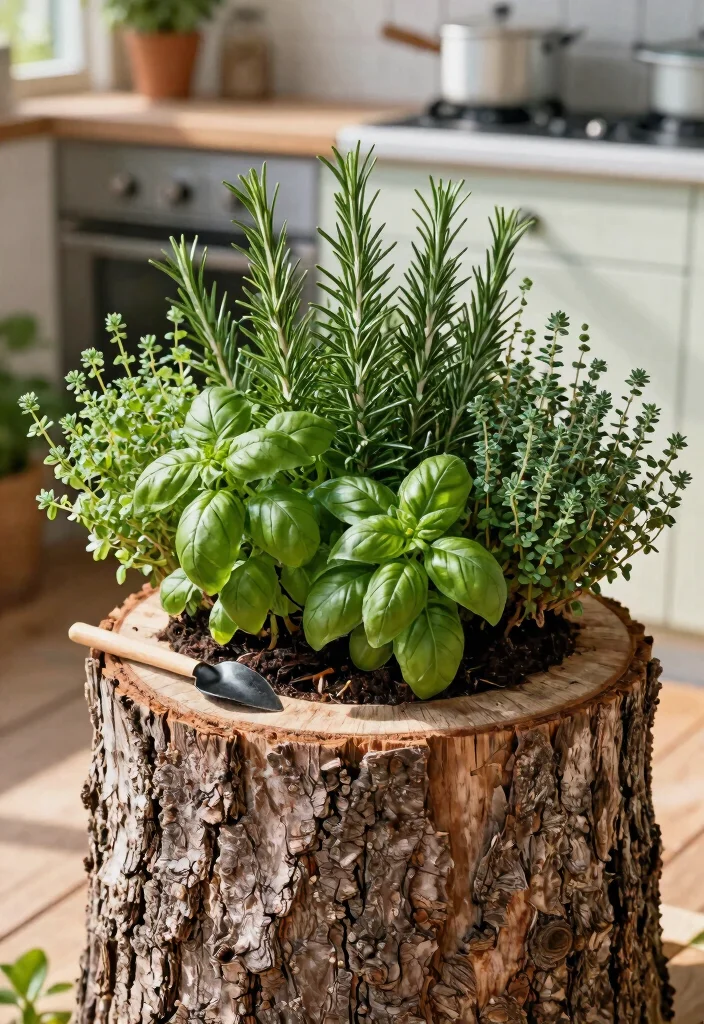
Imagine stepping outside to a vibrant herb garden right at your doorstep! Utilizing a tree stump as a planter brings both beauty and functionality to your space. With herbs like rosemary, basil, and thyme thriving in well-drained soil, you can create a stunning circular design that makes your garden pop. Position these herbs around the stump, allowing them to gracefully spill over the edges, creating a lush effect.
To boost pest resistance, consider adding mint or lavender, which naturally repel unwanted insects. Be cautious about overwatering; tree stumps can retain moisture longer than expected. Not only do herb gardens enhance your cooking, but they also provide a delightful aesthetic to your outdoor area!
Key steps to get started:
– Select a stump at least 12 inches tall.
– Drill drainage holes for proper water flow.
– Pair with companion plants for natural pest control.
– Regularly trim your herbs to promote fuller growth.

Hiceeden artificial driftwood flower planters, overall measures 14.6"Lx4.3"Wx5.1"H, allow you to plant a cluster of plants effortlessly. Plants Are NOT Included

This faux driftwood planter is made of resin (NOT WOOD), durable and sturdy. High durability makes our resin flower pot be well used both indoor and outdoor. Plants Are NOT Included.

Drainage Holes: The bottom of the pot has drainage holes to prevent overwatering and promote healthy plant growth.
2. Succulent Stump Display
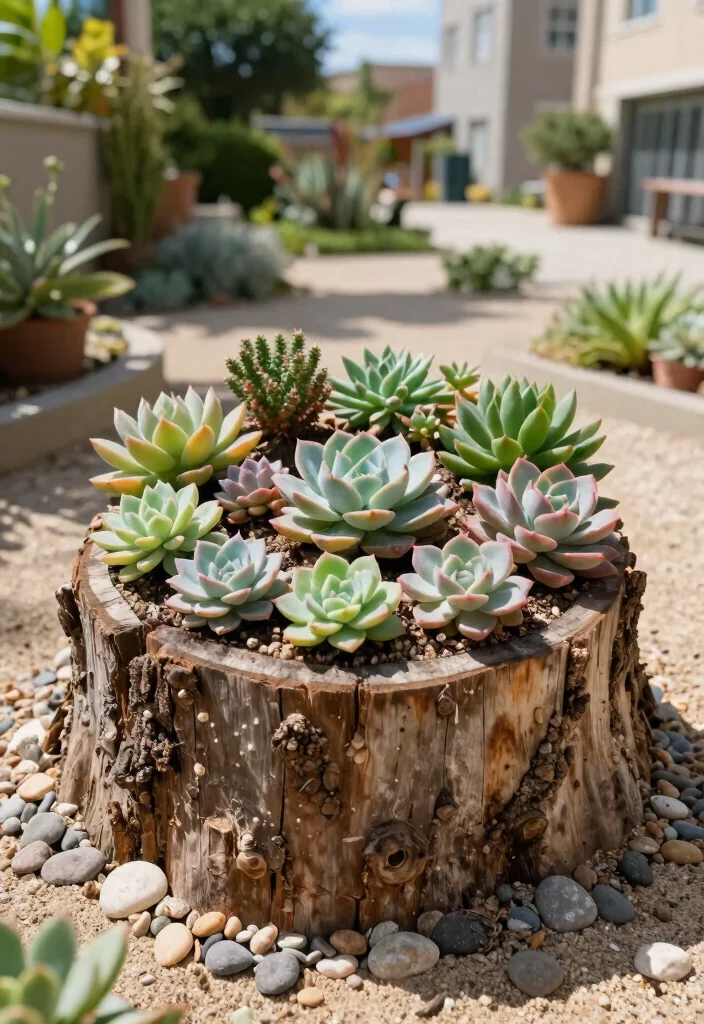
Succulents are perfect for tree stump planters, especially in areas with limited water. Their vibrant colors and low-maintenance needs make them a fantastic choice for creative landscaping. Fill a hollowed stump with an array of succulents, arranging them in clusters for added visual appeal. Top it off with pebbles or sand to mimic a sun-soaked desert environment!
To prevent termite attraction, opt for a non-wood liner, such as coconut coir or landscaping fabric, which allows for drainage while safeguarding the wood. Ensure your stump is positioned in a sunny spot to keep your succulents thriving.
Key tips for success:
– Combine different succulent varieties for a colorful display.
– Add a shallow sand layer to improve drainage.
– Rotate your stump for even sunlight exposure.
– Enhance aesthetics with decorative stones.
Did you know succulents in hollow tree stumps can cut irrigation by up to 70%? Cluster colorful succulents and top with pebbles for a desert-inspired, low-maintenance tree stump planter. Pro tip: skip wood liners and use coconut coir for drainage.

HELPS REGULATE SOIL MOISTURE: Miracle-Gro Organic Indoor Potting Soil Mix is an organic potting soil that protects indoor plants against over and under watering

Ready-to-Use Formula: No mixing or extra steps required. Simply pour and plant - perfect for gardeners of all experience levels.

FOR USE: Use when planting or transplanting to improve native soil.
3. Flowering Stump Planters
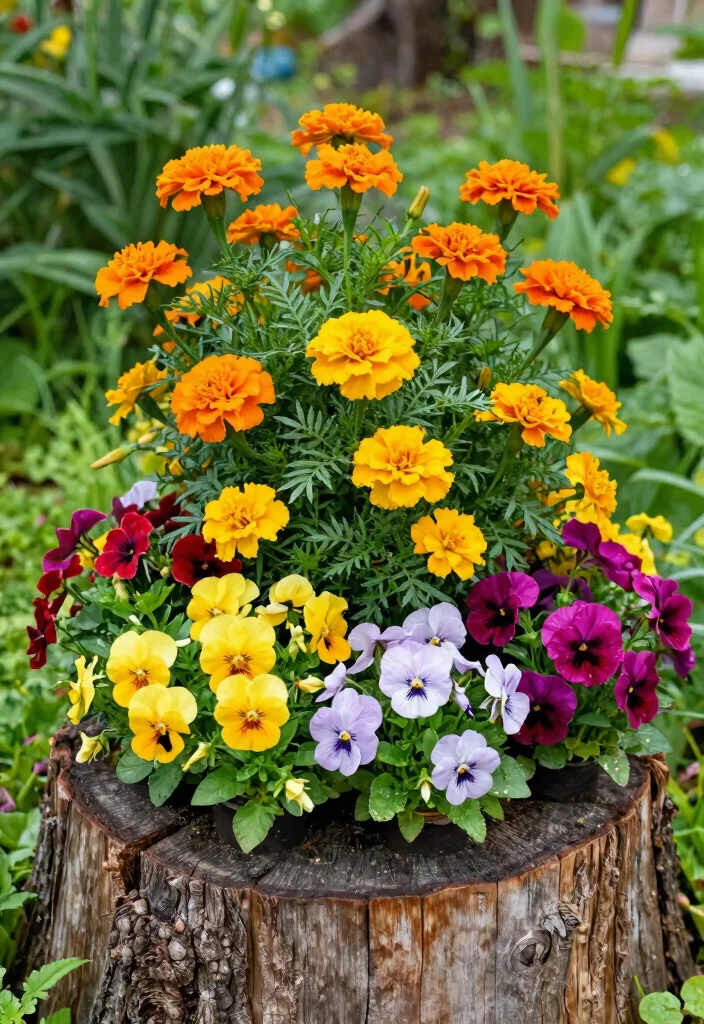
Brighten up your garden with stunning flowering plants in your stump planters! Colorful blooms like marigolds, petunias, and pansies not only attract pollinators but also create a cheerful atmosphere. For shaded stumps, choose flowers that can thrive in partial sunlight. Layer flowers of varying heights for a dynamic and visually appealing garden display.
To keep pests at bay, opt for flowers less appealing to termites, such as geraniums or alliums. Regular deadheading will encourage continuous blooms throughout the season, transforming your space into a visual feast.
Tips for a vibrant flower display:
– Group plants by height for a tiered look.
– Integrate foliage plants for year-round interest.
– Apply organic mulch to prevent weeds.
– Water consistently while avoiding soggy soil.

Planter: the imitation stump pot made of and stable concrete is and to use,stump design pot

Premium Natural Wood Material - Crafted from natural wood bark, these wooden planters (wooden planter) are durable and safe for long-term use. Perfect as wood flower vase, wood vase and wooden vase for succulents, cacti and artificial flowers. The rustic vase design adds authentic natural charm

Indoor Herb Garden Planter with Tray - Add greenery to your home with this vintage metal windowsill planter. Herb planters for indoor plants with a farmhouse touch. Place the indoor herb planter on your kitchen counter or display the small herb planter as an apartment window planter.
4. Vertical Stump Planter
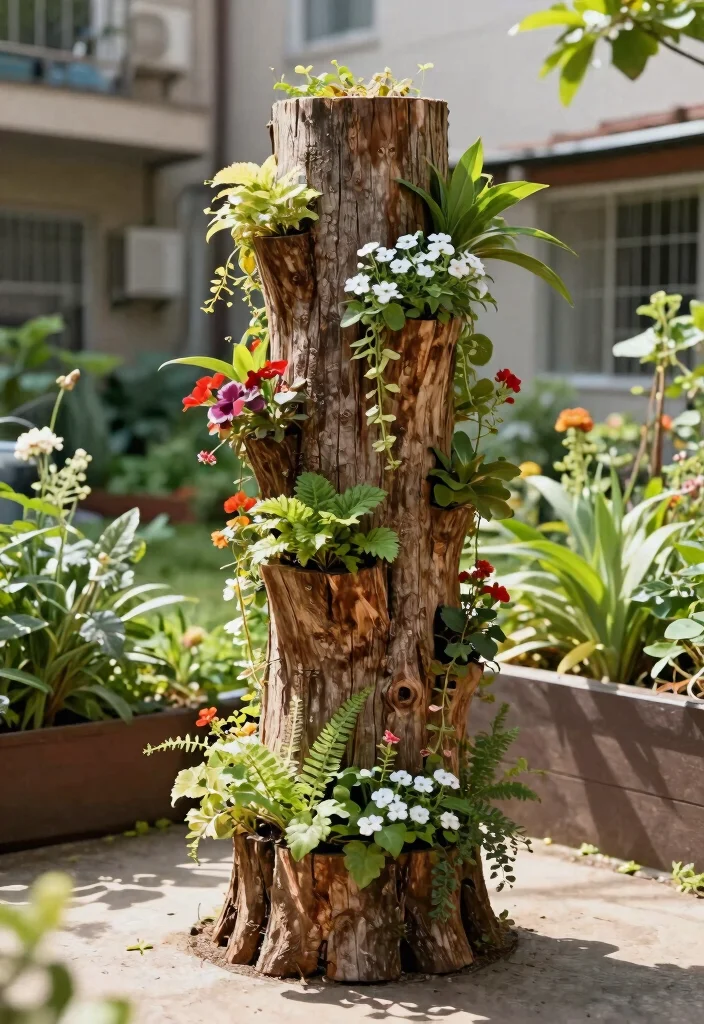
If space is tight, a vertical tree stump planter can be a game changer! This design allows you to maximize greenery in compact areas. Carve out various levels in the stump and plant climbing plants or trailing flowers that can elegantly cascade down.
Vining plants like sweet peas and morning glories will flourish, adding a unique aspect to your garden. To deter termites, treat the wood or apply a natural barrier of diatomaceous earth around the stump’s base. This design not only beautifies your space but also adds vertical interest to your urban garden!
Essential tips for vertical gardening:
– Incorporate a trellis for climbing plants.
– Mix perennials and annuals for consistent blooms.
– Prune regularly to promote upward growth.
– Use organic insect repellent as needed.

ღ PLANTER SIZE - 8.3 x 4.3 x 7 inch (L x W x H) **Plants Are NOT Included** Perfect for small succulents, mini ball cactus, herbs and air plants.
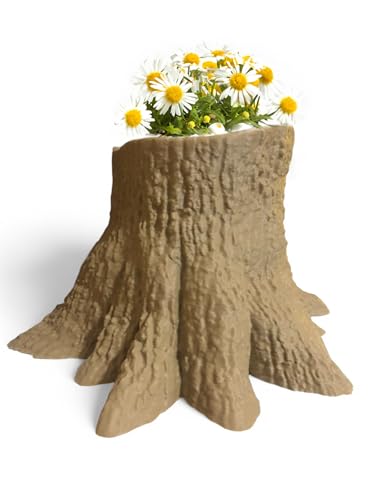
✅【Tree Stump Flower Pot】– Made from strong plant-based bioplastic, this lightweight and durable design offers a modern, shatter-resistant alternative to traditional ceramic or stone materials.

Unique Rustic Bark Design: This bark planter features an authentic tree bark texture that adds a natural, rustic charm to your home or garden decor, making it an ideal choice for both indoor flower pots and outdoor planters for porch
5. Fairy Garden Stump Planter
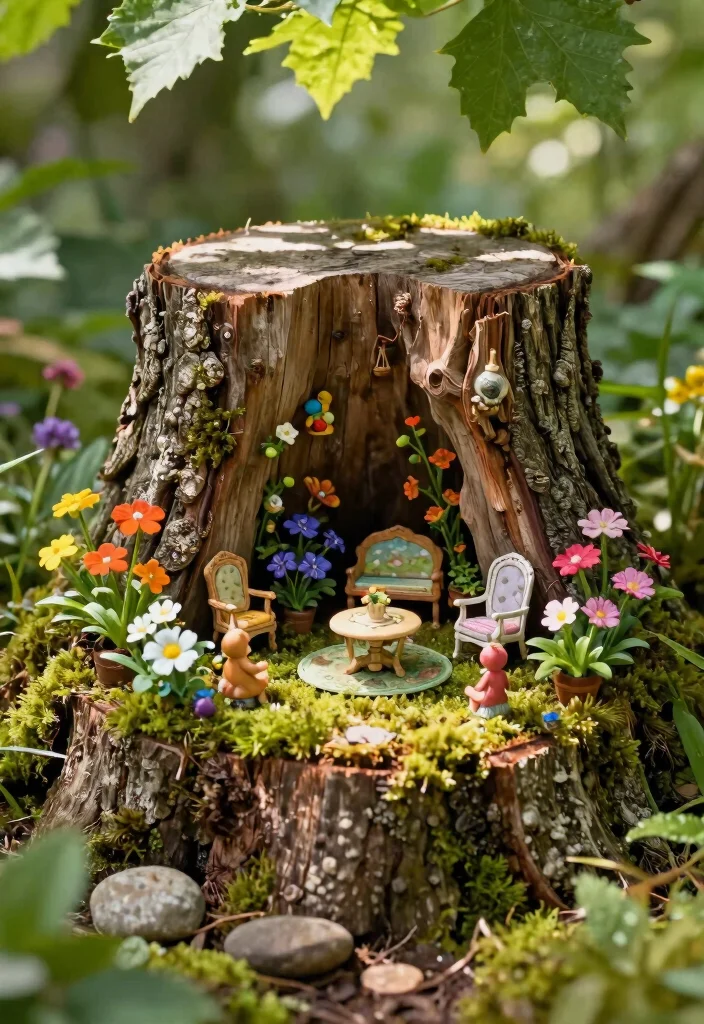
Introduce a dash of magic to your garden with a fairy garden nestled in a tree stump! This enchanting idea combines small flowers, whimsical figurines, and decorative touches like pebbles or miniature furniture. Dwarf flowers and moss are fantastic choices to create a whimsical atmosphere that delights both children and adults.
To keep pests away, select plants that aren’t appealing to termites and use natural repellents around the stump. This imaginative landscaping project serves as a charming focal point and inspires creativity.
Key elements for your fairy garden:
– Select small plants that won’t outgrow the stump.
– Decorate with tiny fairy doors or pathways.
– Incorporate stones for an earthy touch.
– Ensure proper drainage for healthy plants.

Bright green leaves with minty scent and taste


How To Choose The Right Tree Stump Planter
Choosing the right tree stump planter is essential for creating a beautiful and functional garden feature. With several options available, you need to consider various factors to ensure your choice aligns with your gardening goals. Here are some key criteria to keep in mind:
1. Size
Measure the stump before deciding on the planter’s size. You want to ensure the planter fits well without overwhelming the space. A small stump might benefit from a compact herb garden, while a larger stump can accommodate bigger plants. Aim for a planter that allows enough room for roots to grow and thrive.
2. Material
Consider what material you want your tree stump planter to use. Wood is a popular choice but can attract termites if not treated. Look for eco-friendly alternatives that are termite-resistant, such as recycled plastic or metal. These materials can provide durability while enhancing your garden’s aesthetics.
3. Drainage Features
Good drainage is crucial for plant health. Ensure your selected planter has drainage holes to prevent water accumulation. If you’re repurposing a stump, you might need to drill holes yourself. This step is vital, especially in regions with heavy rainfall, to avoid root rot.
4. Plant Selection
The types of plants you choose will significantly impact the planter’s success. Opt for termite-resistant plants like lavender or rosemary. These plants not only thrive in smaller spaces but also deter pests. Research the light and water needs of potential plants to ensure they thrive in their new home.
5. Design and Aesthetics
Think about how the planter will fit into your garden design. Choose a style that complements your existing landscape. Whether you prefer a whimsical fairy garden or a sleek, modern display, the planter’s design should enhance your outdoor space. Consider adding decorative stones or mulch to elevate the look.
6. Budget
Finally, set a budget before diving into your project. Planters can range from inexpensive DIY options to more costly pre-made designs. Decide how much you’re willing to spend and explore options within that range. Remember, a well-chosen planter can enhance your garden’s value and appeal.
Pro Tip: Before you commit, sketch out your ideas. Visualizing your design can help you determine the best size, shape, and materials for your tree stump planter. Don’t rush the decision-making process; take your time to find the perfect fit for your garden!

Natural & Durable Design: These artificial driftwood flower planters are crafted from high-quality concrete (not resin), offering a sturdy, weather-resistant build that won't rot or crack. The rustic texture mimics real tree bark, perfect for indoor or outdoor use. Plants are NOT included.

Artificial Driftwood Pot: Vintage plant pot is designed in the shape of a tree root, with clear tree root textures on the surface, exquisite and unique, lifelike. It can be used for planting and also serves as a unique decoration, suitable for daily use
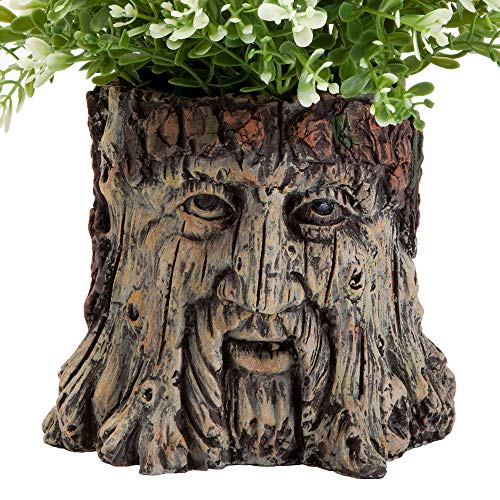
Add a touch of forest magic with our planter featuring the face of an old man emerging from the stump of a tree.
6. Multi-Planter Stump Set
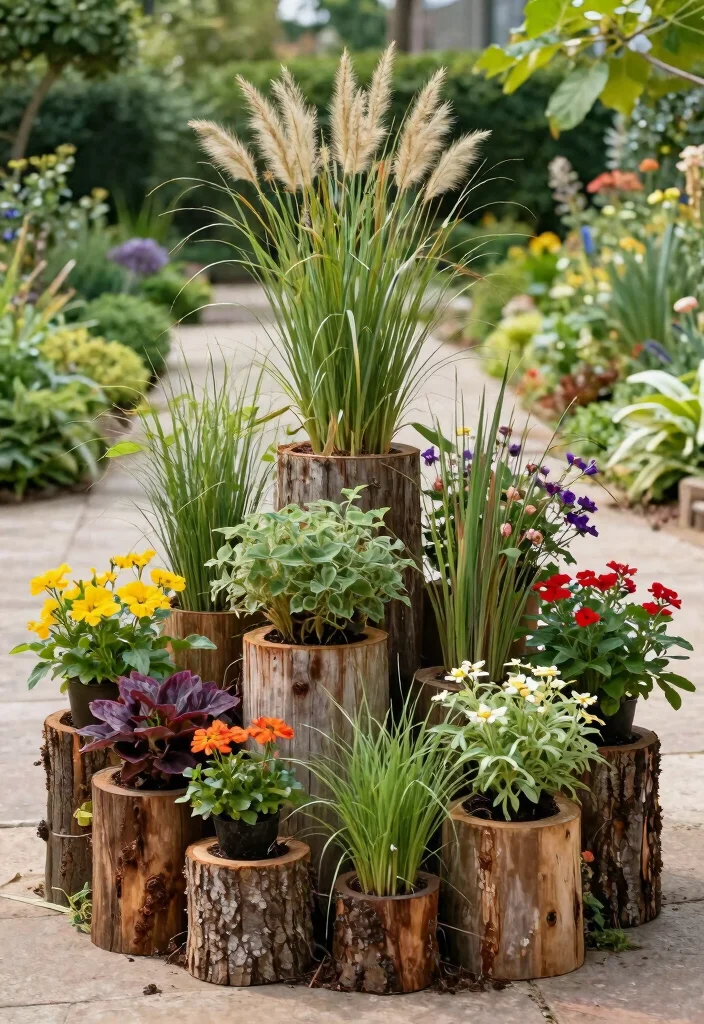
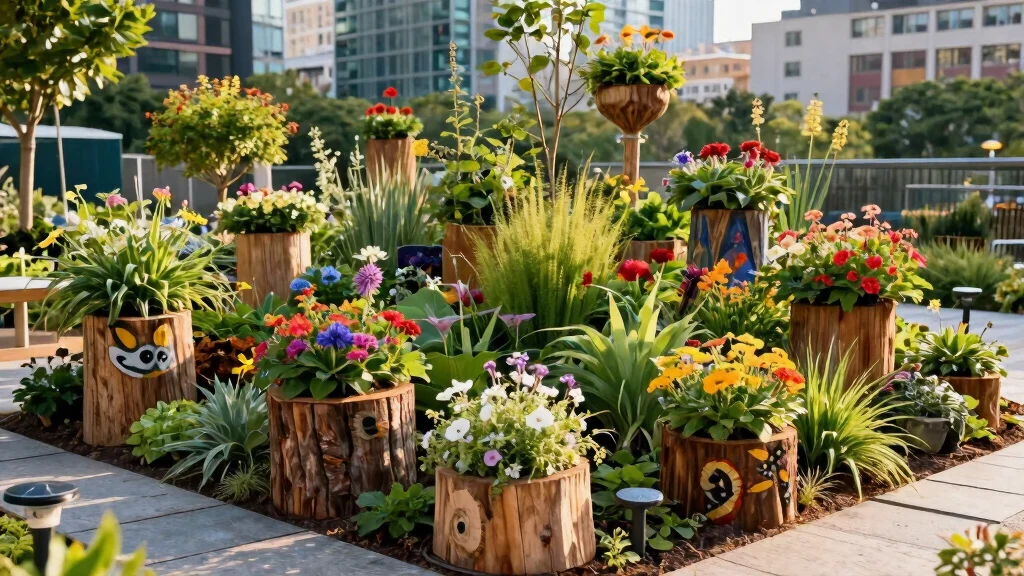
Create an eye-catching centerpiece in your urban garden with a multi-planter stump set! This design features multiple stumps of varying heights, each housing different plants. This layered approach not only introduces a variety of flora but also creates engaging sightlines in your garden.
Select complementary plants, mixing ornamental grasses with colorful flowers. To keep termites at bay, ensure each stump is treated and surrounded by natural barriers. This design offers a cohesive yet dynamic look for your outdoor space!
Tips for a stunning multi-planter:
– Vary stump heights for added visual interest.
– Choose plants with similar light and water needs.
– Add decorative stones or mulch for a polished finish.
– Regularly inspect for pests to maintain plant health.

Smart-Soil Efficiency: 12" height is ideal for herbs, lettuce, strawberries, and other shallow-root vegetables. Improves drainage, warms soil faster, and requires less soil to fill than deeper beds, helping reduce setup cost. Perfect for beginners and small garden setups
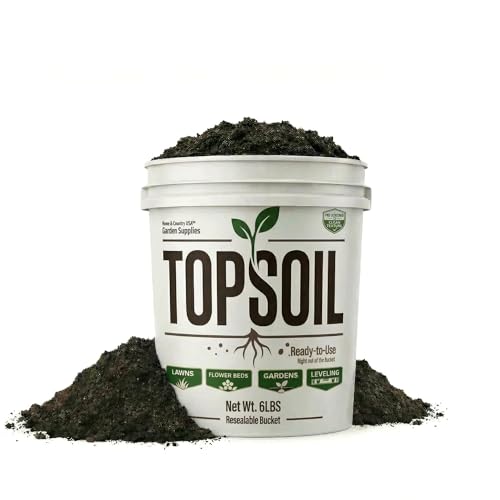
Versatile garden soil and all purpose potting mix works as a raised bed soil, container potting soil, outdoor planting mix, indoor plant soil, flower bed soil, vegetable garden soil, shrub planting mix, and landscaping soil amendment, making this premium topsoil the only garden soil blend you need for every planting application around your home.

FOR USE: Use when planting or transplanting to improve native soil.
7. Stump Bird Bath Planter
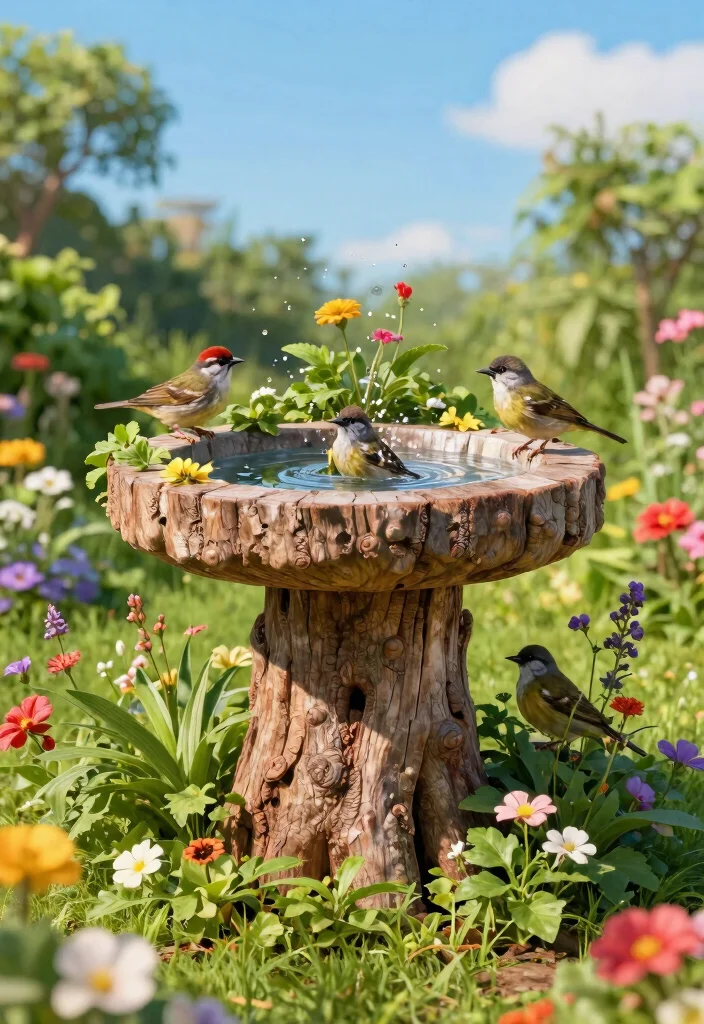
Combine charm and function by creating a bird bath planter using your tree stump! Carve out a shallow area on top of the stump, fill it with water, and surround it with vibrant plants or flowers. This setup not only attracts delightful birds but also enhances the beauty of your garden.
To prevent termites, use non-wood materials for the basin or line it with a non-absorbent barrier. Include plants that shelter birds, such as ornamental grasses or flowering shrubs. This lovely feature will enrich your garden’s ecosystem!
Key steps to attract birds:
– Keep the water fresh to draw in birds.
– Mix plants that offer food and shelter for wildlife.
– Use natural mosquito repellent for a pleasant area.
– Regularly check water levels for bird safety.
Fun fact: Up to 90% of termite damage in outdoor planters starts with wooden basins. Switch to a stone or ceramic basin for your tree stump planter, and your bird bath planters stay termite-free while inviting more birds.

Wood/Stump/Log like designs; unique rectangular/irregular shapes

Bark flower pot--filling it with beautiful flowers creates a sense of serenity, no matter where you decide to place it,planters log look
8. Stump Seating Planter
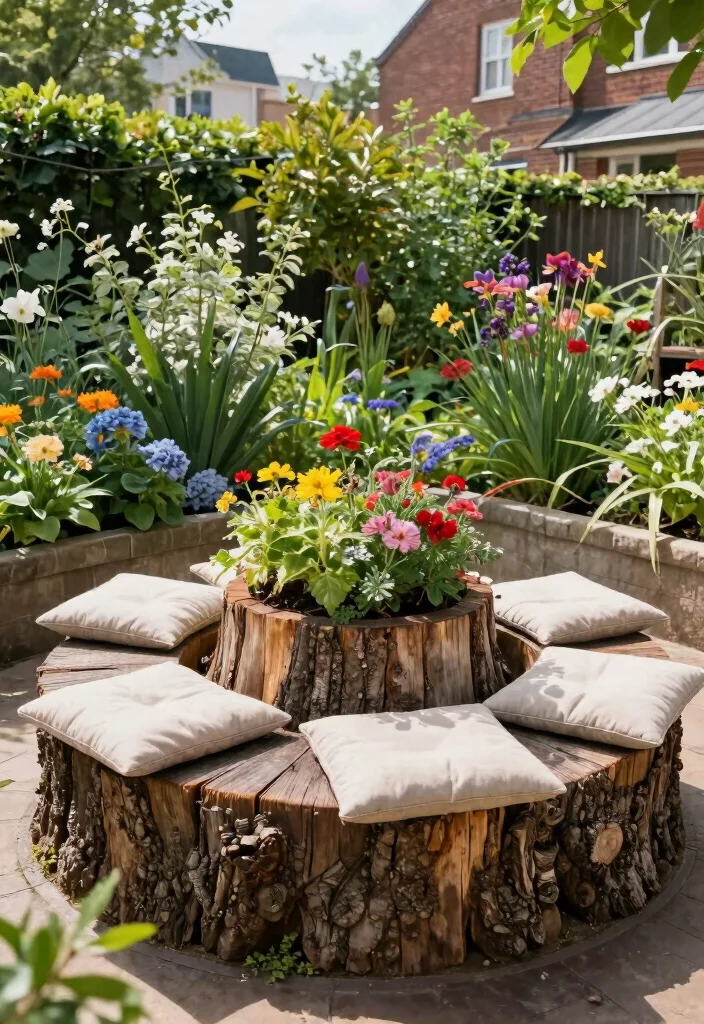
Transform your tree stump into a functional seating area while showcasing beautiful plants! Carve out a section for planting but leave enough space for a small seat. This creative design is ideal for urban gardens that need more seating options.
Select low-growing plants that won’t interfere with seating. To keep termites at bay, regularly apply natural wood treatments. Adding cushions will enhance comfort, turning this unique spot into a cozy retreat to enjoy your garden!
Helpful tips for a functional seating planter:
– Incorporate small potted plants for added variety.
– Use weather-resistant finishes on the seating area.
– Add decorative pillows for comfort and style.
– Ensure the seat is sturdy and safe for use.

Durable materials: Made of quality cement with bright color, do not fade, ensuring their long-term use and ability to withstand outdoor wind and rain.

Natural Wooden Centerpiece: This tree stump planter is made for rustic table decor, farmhouse shelf styling, forest-themed displays, windowsill accents and home office decoration
9. Seasonal Decor Stump Planters
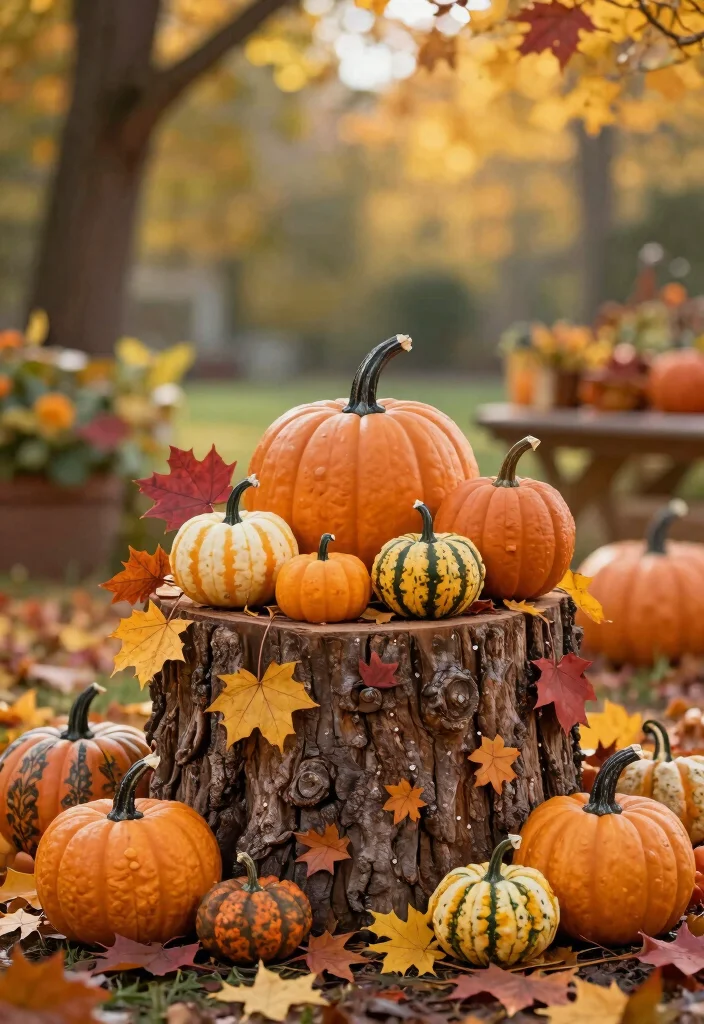
Use your tree stump planters to celebrate seasonal decor that evolves throughout the year! In autumn, fill your stump with ornamental pumpkins and gourds; in winter, showcase evergreens or festive decorations. This fun approach keeps your garden looking vibrant and festive all year long!
To avoid attracting termites, choose seasonal decorations that are non-organic or use treated wood. Be creative—string fairy lights in winter or add colorful flowers in spring! It’s a delightful way to engage with the seasons and beautify your outdoor space.
Tips for seasonal decorating:
– Refresh decorations regularly for excitement.
– Use weatherproof materials for durability outdoors.
– Consider lighting for a cozy evening ambiance.
– Involve family and friends for a fun decorating experience!

Refreshing Cucumber Scent: Our cucumber mint scented wax melts offer a spa-like blend of crisp cucumber and freshly-picked mint. Freshen your litter box room, bathroom, and kitchen with our pet-friendly wax melts.

High Germination Rates: Carefully selected lavender seeds with high germination rates; perfect for successful planting

TWO Premium Live Plants: Two (2) large live plants big, healthy, ready to grow, premium herb plants, 4" to 8" tall plants, in 4" pots. NON GMO No Neonicotinoids
10. Stump Pond Planter
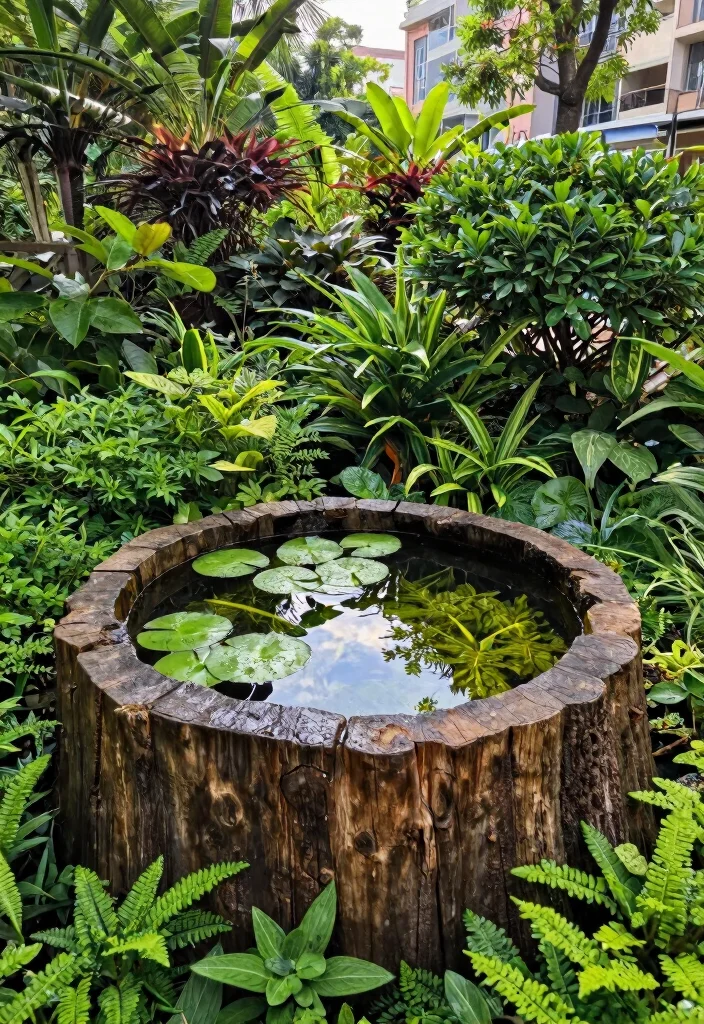
Design a stunning water feature with a stump pond planter! Carve out a section of the stump to hold water, allowing aquatic plants like water lilies or lotuses to thrive. Surround the stump with moisture-loving plants to enhance the tropical vibe.
This feature not only adds tranquility to your urban environment but also attracts beneficial wildlife. Use a liner to protect the wood from termites. This design brings serenity to your garden, creating a peaceful escape in the city!
Key features for a successful pond planter:
– Keep the water clean and clear for aesthetics.
– Incorporate rocks for a natural appearance.
– Add plants that thrive in wet conditions.
– Observe local wildlife visiting your pond.
11. Stump Mosaic Planter
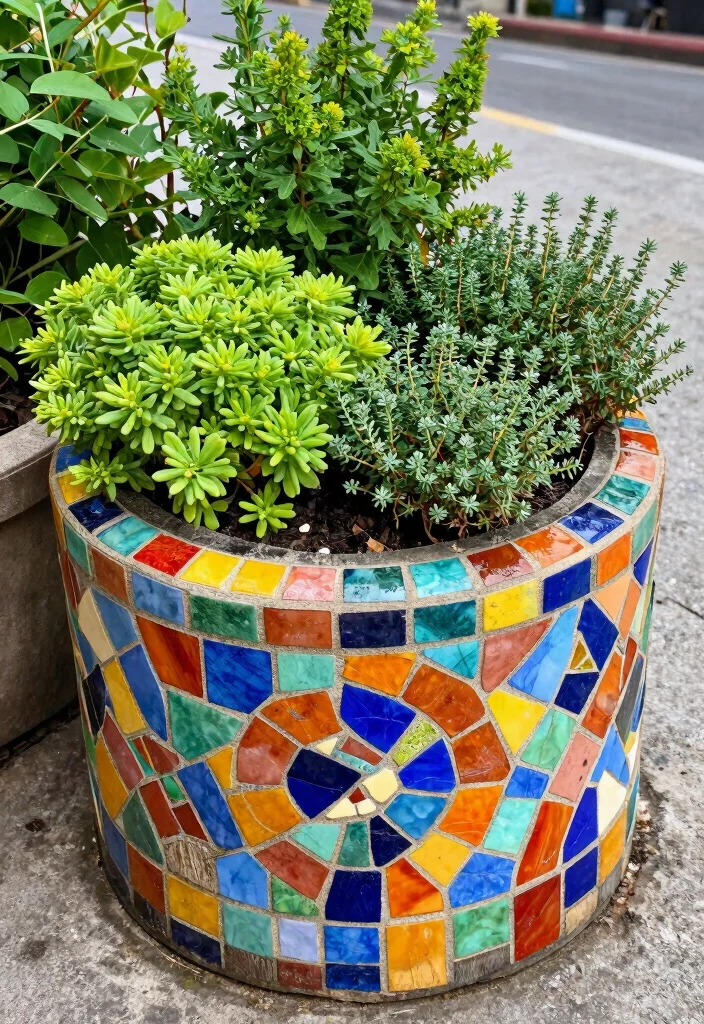
Showcase your artistic flair with a mosaic stump planter! Decorate the stump’s surface with colorful mosaic tiles or stones while filling it with your choice of plants. This artistic element adds a personal touch to your garden and turns the planter into a conversation starter.
Choose plants that flourish in this mosaic arrangement, like sedums or creeping thyme. Use tiles made from non-wood materials to keep termites away. This unique design not only beautifies your outdoor area but also allows for creative expression!
Tips for creating a mosaic planter:
– Develop a theme for your mosaic for added impact.
– Use recycled materials for an eco-friendly approach.
– Apply a weatherproof sealant to protect your artwork.
– Care for the plants regularly to ensure their vitality.
Fun fact: A mosaic stump planter can boost curb appeal by up to 30% in urban gardens. Use non-wood tiles to deter termites, then plant sedums or creeping thyme for a hardy, water-smart display.
12. Educational Stump Planter
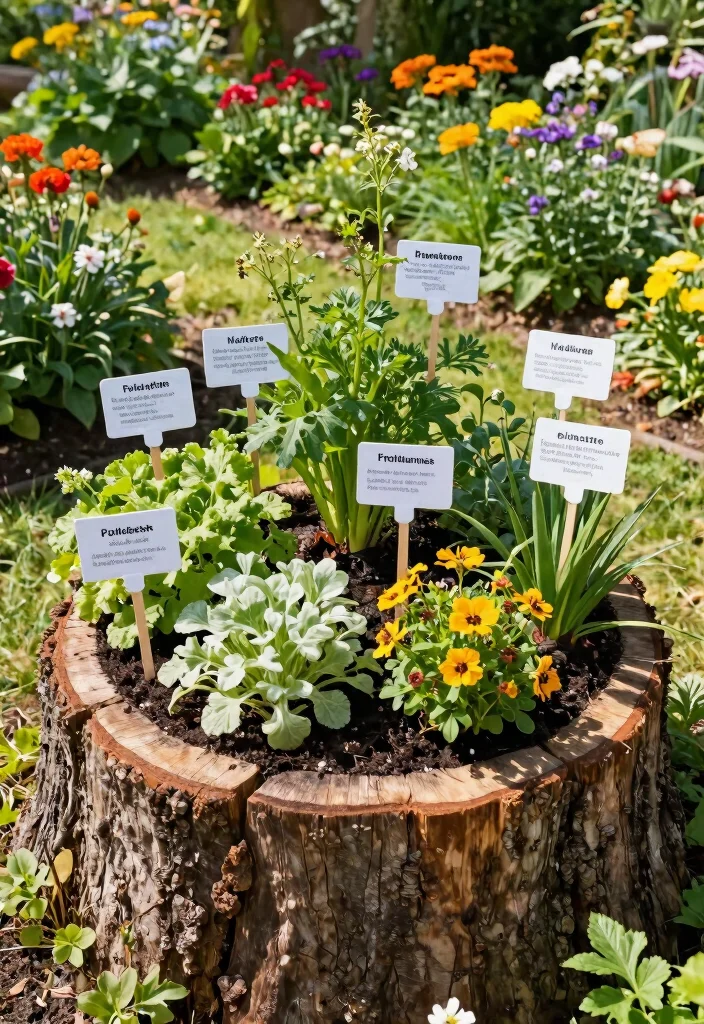
Incorporate learning into your gardening experience with an educational stump planter! Use the stump to house plants suitable for teaching, such as a small vegetable garden or a collection of pollinator-friendly flowers. This setup allows both kids and adults to learn about gardening, plant biology, and sustainability practices.
To maintain termite protection, use treated wood or add a protective barrier. This concept nurtures a love for gardening and nature, making it a rewarding experience for everyone involved.
Key components for an educational planter:
– Label each plant for learning opportunities.
– Incorporate a variety of plant types for diversity.
– Collaborate with local schools for workshops.
– Utilize organic gardening practices to promote sustainability.
Conclusion
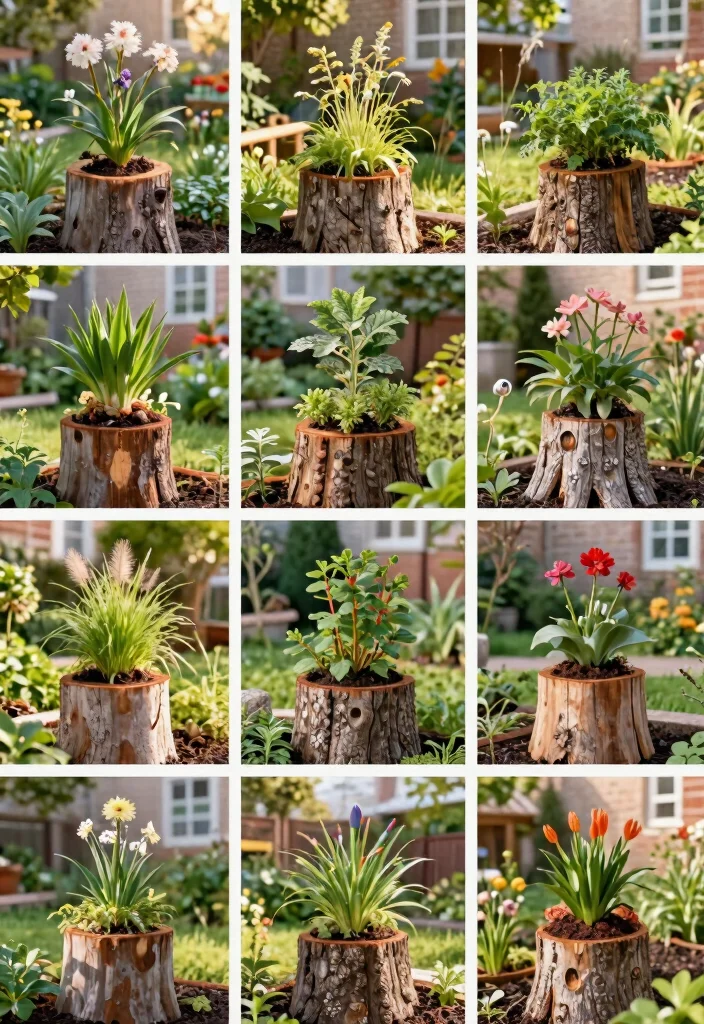
Tree stump planters offer a creative and eco-friendly way to enhance urban gardens while ensuring you steer clear of pesky termites. By choosing the right plants and design, you can create stunning visual features that also serve functional purposes. With these 12 ideas, your garden can become a vibrant oasis, showcasing nature’s beauty while promoting sustainability. Why not give one or more of these ideas a try in your own garden?
Frequently Asked Questions
Question: What exactly is a tree stump planter, and why is it a good eco-friendly planter option that can help avoid termites?
A tree stump planter is a hollowed or stump-shaped container you fill with soil and plants. In urban spaces, it’s a clever DIY garden project that recycles wood or uses a natural stump as a focal point. To keep it termite-resistant, use a liner made from metal, ceramic, or concrete instead of exposing untreated wood, seal the exterior, and ensure drainage. Elevate the planter off damp ground, and avoid leaving wood in direct soil contact. Pair it with termite-resistant plants like herbs (rosemary, thyme), succulents, and prairie perennials for a stump garden design that stays an eco-friendly planter in busy urban spaces.
Question: How can I design a stump garden design that stays termite-free in an urban setting?
Designing a stump garden design that stays termite-free is all about materials, placement, and plant choices. First, pick durable planters (metal, ceramic, or a sealed composite) rather than exposed, untreated wood. Install a watertight liner and drainage to prevent rot and pest inviting moisture. Place your tree stump planter on a raised or paver surface to keep it off damp soil in urban lawns or balconies. For plants, choose termite-resistant plants such as herbs (rosemary, thyme), succulents, or hardy perennials. Keep mulch away from the rim to reduce shelter for termites. Finally, use a simple, compact design—think vertical or tiered setups—to align with creative landscaping ideas for small spaces.
Question: Which termite-resistant plants work best in a tree stump planter for an easy eco-friendly planters setup?
Some of the best termite-resistant plants for a tree stump planter include rosemary, thyme, lavender, oregano, and sage; drought-tolerant succulents like sedum and echeveria; hardy perennials such as salvia; and low-growing ornamental grasses. Match sun exposure and soil depth of the stump planter, and avoid overwatering that can invite pests. These options support an eco-friendly planter approach in tight urban spaces and work well with stump garden design aesthetics.
Question: What are a few simple DIY garden projects steps to transform a stump into a striking, low-maintenance tree stump planter with creative landscaping ideas?
Start with a clean, dry stump or repurposed container. Choose a durable liner (metal, ceramic, or heavy plastic) and add drainage holes. Seal the exterior to protect wood fibers and keep moisture out of the interior. Add a well-draining soil mix and compost, then plant your chosen termite-resistant plants. Finish with a decorative edge, gravel or stones, and a splash of paint or moss for texture to spark creative landscaping ideas. Regularly check for moisture and reseal as needed to keep your tree stump planter looking fresh.
Question: How can I maintain my tree stump planter to prevent termites and keep it looking fresh in an urban garden?
Keep moisture balanced by using well-draining soil and raising the planter off the ground. Inspect seals and liners for wear, and reseal exterior surfaces as needed. Refresh the soil each growing season and rotate plants to prevent pest buildup. Prune regularly and avoid heavy mulch around the rim to reduce termite shelter. If you notice pests, opt for natural remedies like diatomaceous earth or citrus oil-based cleaners instead of harsh chemicals. This eco-friendly planter approach helps your urban garden stay vibrant without attracting termites.
Related Topics
tree stump planter
eco-friendly planters
stump garden design
termite-resistant plants
DIY garden projects
urban gardening
creative landscaping
sustainable gardening
beginner friendly
easy garden ideas
nature-inspired decor
outdoor decor