

Motivating yourself to clean gets easier when you skip the pressure to feel ready and focus instead on lowering the friction that stops you from starting.
The hardest part sits at the beginning, not in the middle, and most methods that work address that specific moment: the second before you pick up the first thing or wipe down the first surface.
Focusmate.com pairs you with a stranger for a timed video session where you both work on separate tasks, one of you cleaning while the other answers email, and having to report progress at the end keeps you moving through rooms you would otherwise avoid.
1. Use Accountability or an Outside Prompt

Working alongside someone creates a reason to start when you otherwise would not. Focusmate.com pairs you with a stranger for a timed session where you both work on camera, each on your own task.
One of you cleans while the other writes or answers email, and having to report progress at the end keeps you moving. The service is free for three sessions a week.
Setting a deadline works the same way. I aim to finish fall deep cleaning by November 1, before the holiday season makes it pointless to deep clean spaces that will immediately get used hard.
Putting that date on the calendar as a real commitment makes the time feel shorter and the task more urgent.
Inviting guests over produces the same pressure without needing a screen or a calendar entry. You clean because someone is about to see the space, and that social consequence overrides the lack of internal motivation.
If actual guests feel like too much, the thought that someone might stop by unannounced can be enough to keep shared rooms picked up, even when the back rooms stay untouched.
2. Break Cleaning Into Small Tasks or Short Bursts

I break cleaning work into pieces small enough that starting them costs almost nothing. One hundred seconds is how long I give myself just to get moving — not to finish a room, only to prove I can begin.
In that stretch I might wipe down three counters or toss visible trash into a bag. A minute forty delivers motion without the weight of committing to more.
When I need slightly more structure, I set a five-minute timer and work one room only. Kitchen counters, bathroom sink, entryway table — whatever I can reach in those five minutes gets attention, then I walk away.
If the timer runs out and I want to keep going, I do, but the deal I made with myself was five minutes and that keeps the friction low.
The approach that gets the most done when I feel scattered is what I call a micro-checklist: five or six tiny tasks I can knock out in fifteen minutes by flitting between rooms.
Put away the cereal box, wipe the stovetop, return three mugs to the cabinet, toss junk mail, hang up two jackets.
Each task takes under a minute, I can do them in any order, and checking them off one by one makes a trashed kitchen feel less impossible because I am chipping away at it between other things I would rather do.
3. Clean One Recurring Trouble Spot

Pick one surface that collects clutter every day and make clearing it your nightly habit.
A dining table, the kitchen counter beside the door, the bathroom vanity. The spot itself matters less than the fact that it gets messy predictably and you clear it on a fixed rhythm.
I find that cleaning a whole room can feel overwhelming when motivation is low, but a single surface is concrete and fast.
Clearing the same spot every night keeps it from turning into a pile that takes twenty minutes to dig through, and you go to bed with something visibly finished.
Waking up to one clean surface sets a different tone than waking up to everything half-done.
The dining table works well for this because it catches mail, bags, whatever you were holding when you walked in.
Clear it before bed no matter how tired you are. The repetition builds a small win into the day, and that momentum often carries into other tasks without forcing yourself through a full cleaning session.
4. Make an Achievable Cleaning Routine or Schedule

Things that get scheduled stand a better chance of actually happening. I block off one hour each week for cleaning—mine lands on Sunday mornings at 10:00—so the decision is already made before motivation enters the picture.
If that hour arrives and momentum carries me longer, I keep going, but the minimum is already done.
Building cleaning into a habit you already follow makes it easier to stick. James Clear writes about habit stacking in Atomic Habits, and the principle is straightforward: attach the new behavior to something that already happens without thinking.
If you wipe down the bathroom counter and run a cloth over the mirror right before you brush your teeth each morning, the whole routine takes less than two minutes and the space never builds up enough grime to feel like a real chore.
A workable plan also means knowing what gets cleaned and when, not just carving out time. Spreading tasks across the week keeps any single session from ballooning into something that feels impossible to start.
5. Start With the Hardest Task
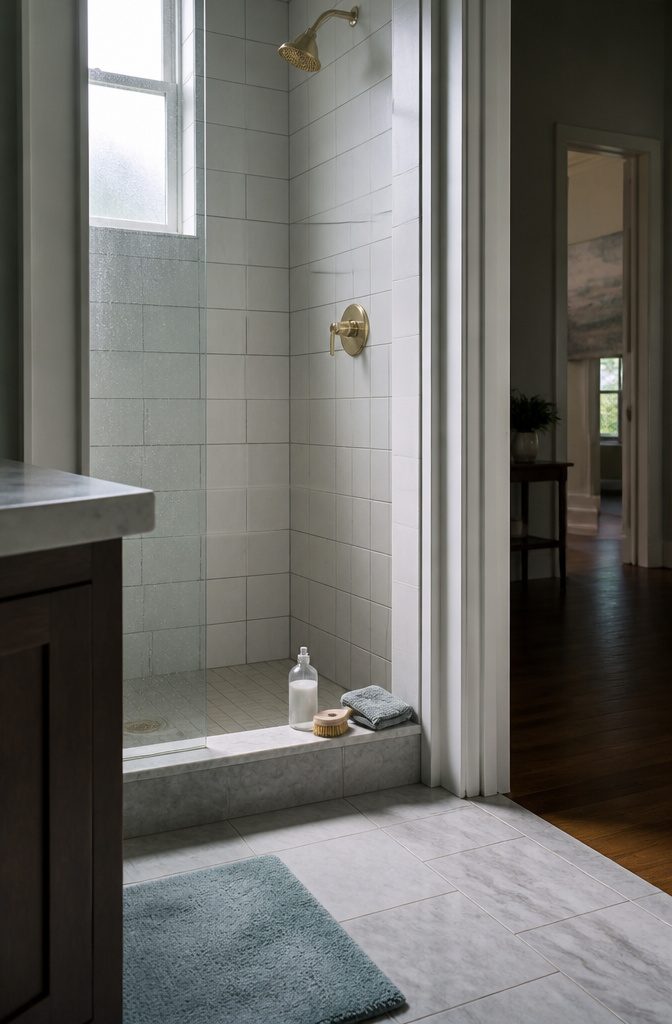
I tackle the chore I’ve been avoiding first thing in the morning, before I’ve even had coffee.
Mark Twain is quoted as saying that if you eat a live frog first thing in the morning, nothing worse will happen to you the rest of the day.
Brian Tracy built this into the Frog method in Eat That Frog!: get the least pleasant task out of the way, and your day can only get easier.
This works best when I have energy but am dreading a specific chore. The family room that barely gets used, the shower grout that needs scrubbing, the closet I’ve put off for weeks.
I go straight there before my brain has time to negotiate. Once it’s done, everything else on the list feels lighter, and I don’t spend the rest of the day with that task hanging over me.
I also move lower-priority cleaning earlier in the order when I keep skipping it.
If a task is easy to talk myself out of, putting it ahead of the urgent work means it finally gets done instead of rolling forward week after week.
6. Start Before You Feel Ready

Just start. Waiting for the urge to strike usually means nothing gets done.
Motivation often follows action rather than preceding it. Open a window, pick up the first thing in front of you, or wipe down one counter.
The hardest part is crossing from thinking about cleaning to actually doing it, and once you’re moving, the work feels less difficult than it did when you were avoiding it.
I’ve noticed that getting started takes more energy than continuing. It’s the same reason putting on gym clothes and walking out the door feels harder than the workout itself.
The mental barrier sits at the beginning, not in the middle. If you can bypass that moment of hesitation and act before you talk yourself out of it, you’re already past the worst of it.
7. Visualize the Finished Space

Picture the room cleared and the surfaces actually visible—that specific feeling of waking up on a Saturday to floors you can see and counters that have space on them again.
One writer I read through mentioned loving that exact moment enough that it gets her through Friday floor work every single week, and that kind of concrete return makes the effort register as worth it.
The garage-to-office conversion story stuck with me because the steps translate to any room.
The writer looked at a cluttered space that had turned into a dumping ground and started mentally arranging where a desk could go, how the walls might look decorated, and how good it would feel to have somewhere quiet to work.
She thought about it enough that by the time she started cleaning, she was actually excited to make room for what came next.
If a room is bothering you, spend time imagining it clean and thinking through what you could do with the space once the mess is gone.
Making plans for how to use it later helps connect the scrubbing to something tangible that feels worth the effort.
8. Add Enjoyable Background Entertainment

Add Enjoyable Background Entertainment
Music or a podcast can turn forty minutes of scrubbing into something you look forward to.
I reach for a playlist that runs twenty to thirty minutes so the task has a built-in endpoint, and Clean My Space created three Songza playlists specifically for cleaning if you want one ready to go.
The length matters because finishing the playlist gives you a natural place to stop.
Audiobooks work the same way, especially if you save a good one only for cleaning.
That way the chore becomes the excuse to keep listening. Some people play familiar TV in the background while they work through a room, and that works fine as long as you already know the episode.
New shows or anything that pulls your attention will slow you down, so stick with something you have seen before or don’t need to watch closely.
9. Use a Cleaning Video or Virtual Cleaning Companion

I watch cleaning videos while I work through my own rooms, and the difference in how quickly I start is real.
Seeing someone else wipe counters or fold laundry makes the task feel less isolating, which is half the battle when you’re standing in front of a messy kitchen and wondering why you can’t just begin.
YouTube body doubling videos are built for this. You play one on a tablet, carry it from room to room, and clean alongside whoever is on screen.
Cozy K is a name that comes up often for this style of video—quiet, full home resets that give you someone working at the same pace you are.
The format strips out the pressure of performing perfectly and replaces it with the comfort of not being the only one doing this work right now.
I also queue up videos before I start a specific job. If I’m about to tackle a pantry, I’ll watch someone else organize theirs first.
The tips help, but what actually gets me moving is a bit of pantry envy—seeing the finished shelves lined up makes me want mine to look the same.
10. Choose Tools or Products That Make Cleaning More Appealing

The scent of what you clean with can flip the job from something you avoid to something you actually start.
Mrs. Meyers dish soap throws fragrance through an entire kitchen and holds it there long after the last plate dries. Palmolive in blueberry almond works the same way on a tighter budget, though the scent fades faster.
Method cleaning sprays lean into this: Pink Grapefruit and Wild Rhubarb for counters and general surfaces, Foaming Bathroom Cleaner in Eucalyptus Mint when you need a break from chemical smells, and Heavy Duty Degreaser in Lemongrass that gets grease off stovetops without the usual harsh odor.
Tools matter as much as fragrance.
A cordless vacuum ends the ritual of plugging in and out across rooms. A cleaning caddy stocked with cloths, full bottles, and the wrench or scraper a specific job needs means you walk in ready instead of hunting through cabinets.
Keeping supplies near where they get used cuts the friction that stops you before you start.
A Worxsail dry erase calendar on the wall tracks what got done. When the tool fits the job and the product smells right, resistance drops.
11. Remove Practical Barriers in Advance

Put cleaning supplies right where you will use them while you still feel like organizing, and the next time motivation dips, starting takes one movement instead of five.
When you feel ready to clean, that is the moment to buy what you need, unpack it, and place the broom next to your bed or the bathroom caddy under the sink.
Later, when you come home tired, the supplies sit in front of you instead of somewhere you have to walk to first.
I keep a caddy for each room’s specific mess rather than one central kit I have to retrieve.
The bathroom bidet needed a wrench to lift and clean underneath, and walking to the garage for it made me skip the job for weeks.
The wrench lives in the bathroom caddy now, and I clean it more because I no longer dread the trip.
Check that cleaning cloths are washed and product bottles are full before you put the caddy away, so the next round starts without a supply run.
12. Reward Yourself

Reward yourself with something you genuinely enjoy once the task is done. This creates positive reinforcement for work most people would rather skip, and it makes next week’s session easier to start because you know the return is waiting.
The reward does not need to be elaborate.
An episode or two of a show you have been meaning to watch works. A relaxing bath, a good book, lunch out, or a cocktail in your freshly cleaned living room all fit.
Pick something you will look forward to enough that it pulls you through the last ten minutes of wiping counters or vacuuming stairs.
You can also tie the reward to a set number of tasks rather than the whole session.
Fresh flowers for the table you just cleared, or a break after every three rooms, keeps the motivation closer at hand. The best part is finishing without guilt, because the work is already behind you.
13. Share or Delegate the Work
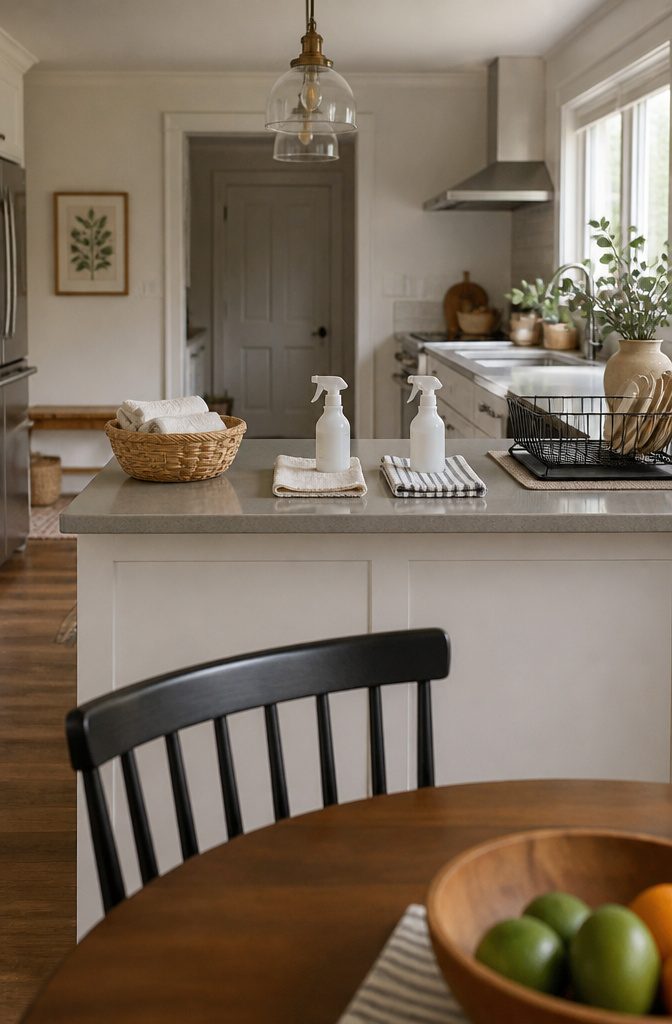
Splitting the work between household members cuts the burden and brings the finish line closer.
I ask my partner to take on certain rooms so I don’t have to think about them, and we divide smaller tasks the same way: one person wipes down the kitchen, the other tackles the bathroom.
Assigning specific chores rather than expecting everyone to pitch in on everything keeps the division clear and removes the mental load of coordinating who does what.
If you live alone or the people you live with aren’t available, ask a friend to help for an hour or suggest a chore swap: you clean their bathroom, they organize your closet.
Working for someone else often feels easier than working for yourself, and trading a task you dislike for one you don’t mind makes the trade worth it.
A cleaning service can also reset a space that feels too far gone, which sometimes makes keeping up with maintenance feel possible again.
14. Pay Yourself for Cleaning

Set an hourly rate for your cleaning time and pay yourself when the work is done.
The method is simple: decide what your cleaning is worth (minimum wage for your area works well), track how long you spend on each cleaning session, and move that amount from your main account into a separate spending account.
If you spend two hours working through your to-do list, you pay yourself for two hours.
The money you earn becomes a fund for things you actually want.
It can build toward a bigger purchase, cover sale-season spending, or sit as discretionary money that feels genuinely earned. What makes this work is that household cleaning shifts from unpaid labor you resent into something that compensates you directly.
This approach is particularly useful when chores have piled up after weeks of procrastination. The financial incentive becomes the push that gets you started, and watching the spending account grow gives the work a concrete return you can see.
15. Make Cleaning Feel Personally Worthwhile

Cleaning starts to feel less like a chore when it serves something you already care about.
If you work out or want to move more during the day, treat cleaning as exercise: put on workout clothes, turn on a tracker, and aim for a sweat.
Vacuuming, scrubbing floors, and hauling laundry all count as steps and effort, and framing it that way makes it easier to start.
Another angle is the space itself.
Cleaning for your own peace of mind rather than for someone else’s approval changes the feeling behind it. A clean home has been shown to lead to a happier life, and the hour you spend cleaning builds that.
The return is real when someone stops by unexpectedly and you can say "Come on in" instead of apologizing for the mess, or when you walk into a tidy room and your mood lifts without you having to think about why.
16. Lower the Perfection Standard

Done is better than perfect. Sheryl Sandberg’s line holds when motivation is low and the room still looks a mess.
Aiming for a flawless result before you even start makes it harder to begin, and the standard you set in your head becomes the reason you walk away.
Spending twenty minutes on one carpet stain while the rest of the room stays cluttered wastes the hour you have.
Vacuuming, clearing surfaces and making beds all move the needle more than a single stubborn mark, and fixating on one small thing drains the momentum that would carry you through the rest.
Progress matters more than perfection in any one spot.
If you’re tired or pressed for time, drop the expectation that every task reaches one hundred percent.
Cleaning works when it reduces the mess, not when it meets some imaginary standard, and once you stop thinking it has to be done perfectly, it becomes easier to get started at all.
17. Clean More Often to Prevent Chores Becoming Daunting

I clean the kitchen counter every night now, and each pass takes ninety seconds because yesterday’s crumbs never get the chance to harden into tomorrow’s scraping job.
The more often you repeat a task, the less builds up between rounds, and that shrinks both the effort and the resistance you feel before starting.
A bathroom mirror wiped down twice a week stays cleaner with a single swipe than one left for a month, where soap spray bakes on and demands vinegar and real elbow work.
Frequency turns a dreaded project into a small reset.
When I let the living room go for two weeks, I face books, shoes, mail, and dust all at once, and the size of it makes me want to walk past and pretend I didn’t notice.
Tidying it every few days means I’m only putting away what accumulated since Thursday, and that difference decides whether I actually do it or let it slide another week.
18. Write Down Instructions for Tasks You Forget How to Do

I forget how to clean my furnace filter about four weeks after I do it. Which way the filter slides in, how the latch works, whether I need to turn anything off first — gone.
So I used to put it off for months, sometimes longer, because relearning the steps felt like more work than the task itself.
Writing down the steps and taping them to the furnace fixed that.
Now I just follow the checklist: turn off the switch, unlatch the door this specific way, pull the filter forward, rinse it in the tub, let it dry, slide it back with the arrow pointing up, close and latch.
Takes ten minutes and I never have to figure it out twice.
The same approach works for any infrequent chore you dread restarting. Stick a note right on or next to the thing that needs cleaning — the fridge, the vacuum filter housing, the bathroom vent.
If the instructions live somewhere else, you still have to go find them, and that is enough friction to stall out.
19. Check Whether Cleaning Is the Best Use of Your Time Right Now

Before you reach for the vacuum, ask yourself a blunt question: would a clean floor make you happier than whatever else you were about to do?
Behavioral scientist Paul Dolan points out that a tidy home is one productive use of time and energy, but not the only one.
If the choice sits between scrubbing the kitchen and spending a Saturday morning outside with your kids, the kitchen can wait.
This is not about permission to let things slide. It is about making a deliberate call rather than cleaning because you think you should.
A clean desk matters less than the work you were planning to do at it, and wiping down counters matters less than the conversation you would miss while doing it.
If the tidy result genuinely improves your day more than the alternative, clean. If it does not, do the other thing and clean later when the trade-off tips the other way.
Why Cleaning Feels Hard to Start

Understanding the friction helps you pick the method that actually fits.
Cleaning drains motivation for a handful of common reasons:
- You’re tired. Exhaustion wipes out the willingness to spend energy on scrubbing. Long work days, disrupted sleep from young children, or just being constantly worn down makes it difficult to start, let alone finish.
- You don’t enjoy the task. Some people find no satisfaction in cleaning. If the act itself feels like drudgery, convincing yourself to do it regularly becomes much harder.
- You’re overwhelmed. A messy house looks like a never-ending project. When the scale feels unmanageable, starting or continuing becomes almost impossible.
- You lack a system. Without a plan, you don’t know where to begin or what to tackle next. That confusion leads to discouragement before you’ve accomplished anything.
- You don’t have the right tools. Old, ineffective supplies make the work slower and more frustrating. When cleaning products don’t perform or tools are worn out, the whole process drags.
How to Get Someone Else to Clean

Getting someone else to clean takes a different kind of push than motivating yourself, because you can only control your own actions. A few moves help more than others:
- Model the behavior by keeping your own space clean first.
- Explain why it matters to them, not just to you.
- Help them make a plan for how they’ll keep their space clean, so it feels less overwhelming.
- Offer to help with the cleaning itself, at least at the start.
- Praise their work when they do a good job keeping things clean.
- Offer incentives, like rewards for finishing a task.
If one approach doesn’t work, try another or add a second layer. Make cleaning feel less like a demand and more like something they can handle.
When to Hire Help Instead

Sometimes the answer is paying someone else to handle it. If you genuinely know you will not choose scrubbing the bathroom over working or spending time with people, hiring a cleaner may save more than time.
One writer at Business Insider paid $80 a month for a housekeeper and called it some of the best money she had ever spent.
Another sent laundry to a wash-and-fold service because the cost difference was small and the time saved was real.
Try it once and see whether it suits you. You can hire someone for all the chores or just the deep cleaning that resets a space when it has gotten too far behind.
If guilt around outsourcing makes you hesitate, treat it as an experiment rather than a commitment. If your schedule or energy level will not support doing it yourself, this option wins.
Frequently Asked Questions
Why do I have no motivation to clean the house?
Lack of cleaning motivation usually stems from exhaustion, dislike of the task itself, feeling overwhelmed by the mess, having no system for where to start, or missing the right tools and supplies.
What is the 5-5-5 rule for cleaning?
Set a five-minute timer and work one room only, tackling whatever you can reach in those five minutes before walking away.
If the timer runs out and you want to continue, you can, but the initial commitment is just five minutes. This keeps friction low and makes starting almost effortless.
How do you find motivation to clean your home?
Find your personal pressure point and use it. If hospitality matters to you, invite guests over so social consequence overrides internal resistance.
If you respond to deadlines, set one on the calendar. The method that works depends on what actually gets you moving rather than what sounds good in theory.
How can I motivate someone else to clean their room or the house?
Model the behavior by keeping your own space clean, explain why it matters, help them make a plan, offer to assist with the work, praise them when they finish, and consider incentives for a job well done.
You control only what you do, not them, but setting an example and lowering barriers can get things moving.