
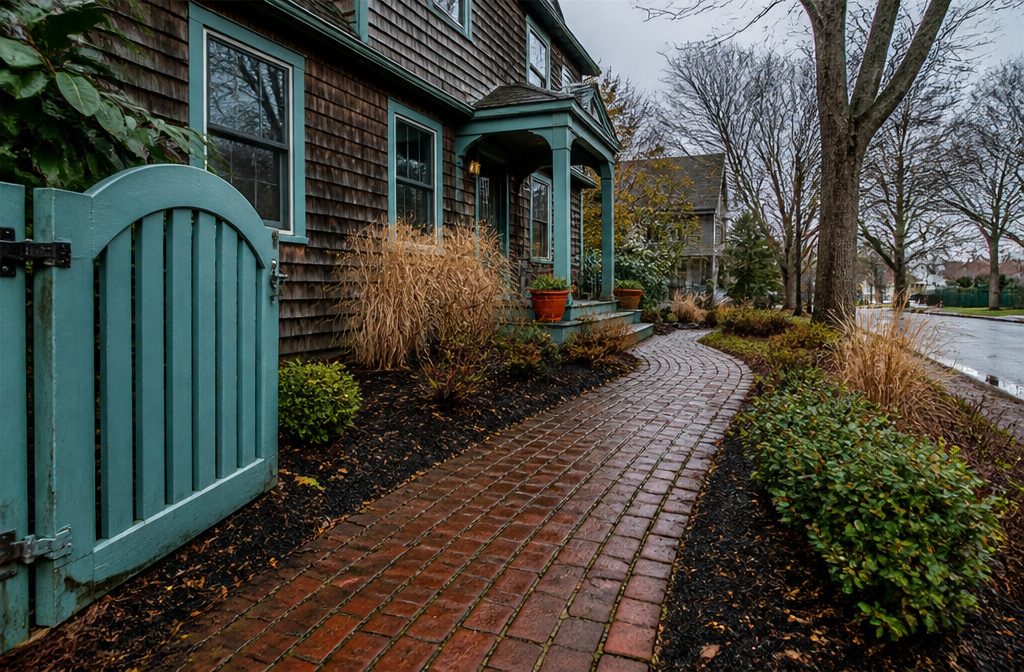
Improving a home’s exterior ranges from a $20 pressure wash rental to a $15,000 siding replacement, and the right starting point depends on what shows from the street.
The condition that changes the math: a house with clean walkways, fresh mulch, and trimmed shrubs reads as maintained before anyone notices the door color, which is why 91% of real estate agents surveyed point to basic yard care as the highest-impact project for curb appeal.
1. Clean Exterior Surfaces
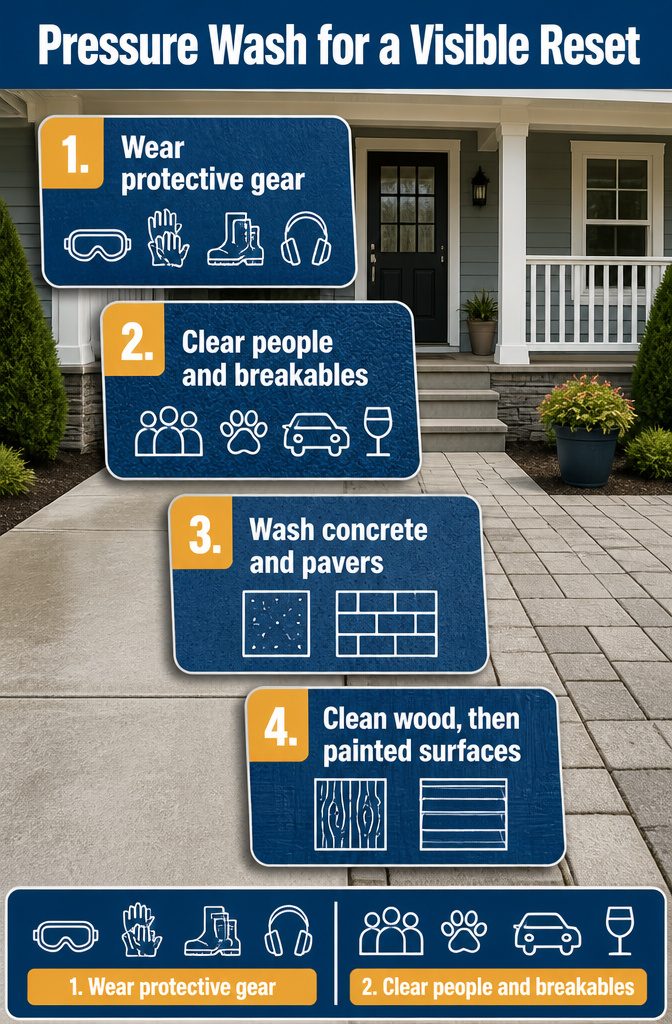
A pressure washer strips away a year of grime in an afternoon, and the difference is immediate. Run it across siding, driveways, walkways, porches, patios, and any outdoor furniture or planters that have gone dull.
I always start with the hardscape—concrete and pavers show the change fastest—then move to wood or composite surfaces and finally anything painted or stained.
Wear goggles, gloves, boots, and ear protection before you pull the trigger.
Keep people, pets, cars, and anything breakable out of range. A pressure washer does not discriminate: it cleans fast, but it can also gouge soft wood, strip paint if you hold the nozzle too close, or send loose gravel flying.
Work from top to bottom on vertical surfaces so dirty runoff does not streak what you just cleaned.
The equipment itself is not expensive, and the job costs nothing beyond water and your time. Of all the ways to improve how a house looks from the street, this one delivers the most visible return for the least money.
2. Refresh the Front Door and Entry
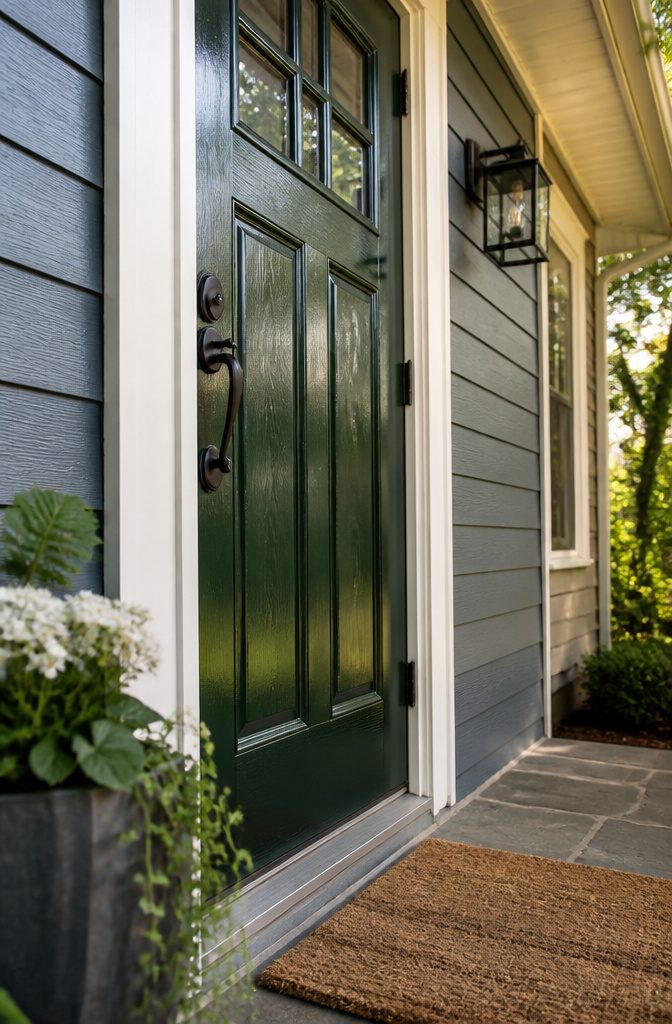
The front door gets more attention than any other surface on the house, and a fresh coat of paint in a strong color makes it read as intentional rather than tired.
Gloss or semi-gloss exterior paint holds up better outdoors and catches the light in a way that flat finishes do not.
Sherwin Williams Tricorn Black works on most houses because it pairs well with nearly any siding color, but deep navy, charcoal, or forest green are just as reliable if the fixtures lean warm.
New hardware changes the feel of the entry for a few hundred dollars. Matte black suits a modern house, brushed nickel hides fingerprints, and brass or bronze finishes read traditional but need regular upkeep to prevent tarnish.
Chrome, stainless steel, and zinc resist corrosion without the maintenance. Match the door hardware to the finish on your outdoor light fixtures and house numbers so the whole entry feels cohesive rather than assembled from leftovers.
3. Improve Landscaping and Yard Care
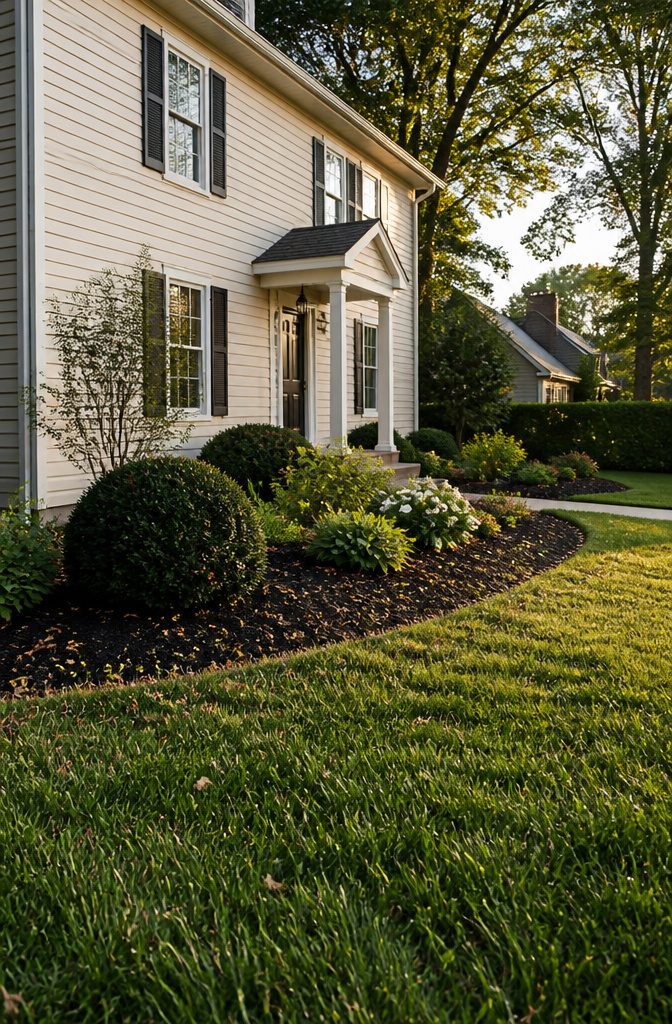
Start with basic yard care: trimming overgrown shrubs, pulling weeds, edging the lawn, and adding a layer of fresh mulch around planting beds.
Nearly 91% of real estate agents surveyed point to these tasks as the highest-impact project for curb appeal, and the reason is simple.
A yard that looks maintained signals the whole house has been cared for, and buyers notice it before they notice anything else.
Climate matters more than taste when you pick what to plant. The USDA Plant Hardiness Zone Map tells you which zone you live in, and from there you can match plants that survive your winters without extra work.
The National Wildlife Federation’s Native Plant Finder narrows it further to species that belong in your area, which means less watering and fewer pest problems once they take root.
The Environmental Protection Agency recommends thinking through how you actually use the space before you dig.
A large lawn where kids or dogs run requires weekly mowing, while a decorative bed filled with perennials and evergreen shrubs surrounded by mulch needs far less attention and still looks finished.
4. Upgrade Exterior Lighting
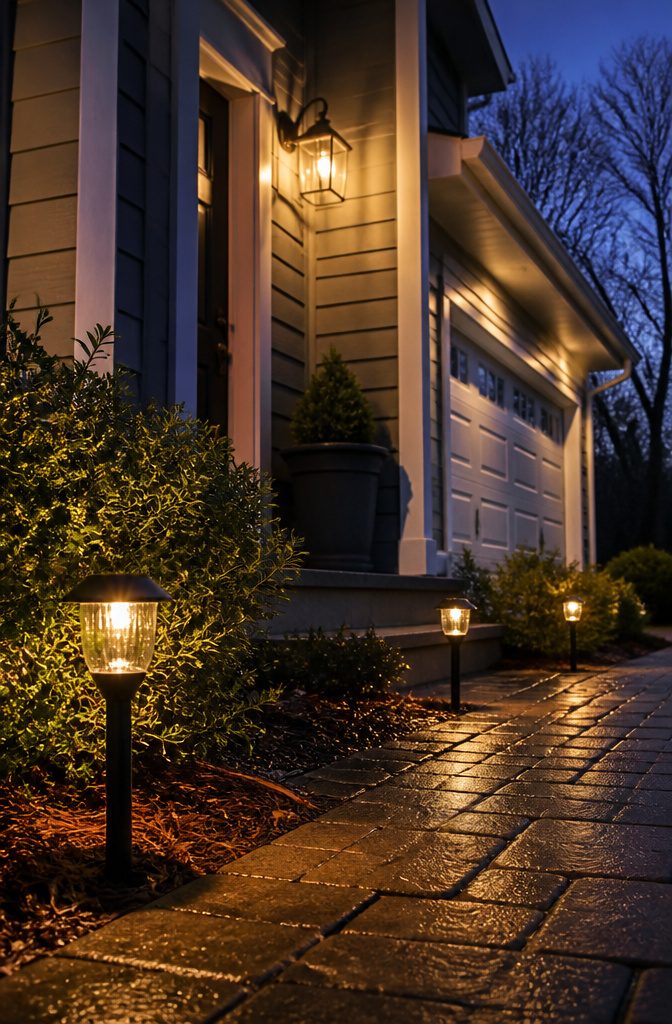
Exterior lighting does two things at once: it lets visitors find the door after sunset, and it completely changes how the home looks once the sun goes down.
A porch light that barely reaches the front step does nothing for curb appeal, and a fixture coated in dust or pollen looks forgotten even when it is on.
Replacing builder-grade fixtures with something that matches the home’s style makes a noticeable difference from the street, and adding lights along the path or near the garage extends that visibility all the way to where people actually walk.
Before cleaning any fixture, turn off the power at the breaker. Wiping down glass and metal removes the film that cuts light output by half, and a clean fixture often looks surprisingly better without replacing anything.
New fixtures help most when the old ones are visibly dated or the wrong scale for the door, and solar path lights fill in dark stretches without running wire.
5. Add or Update House Numbers
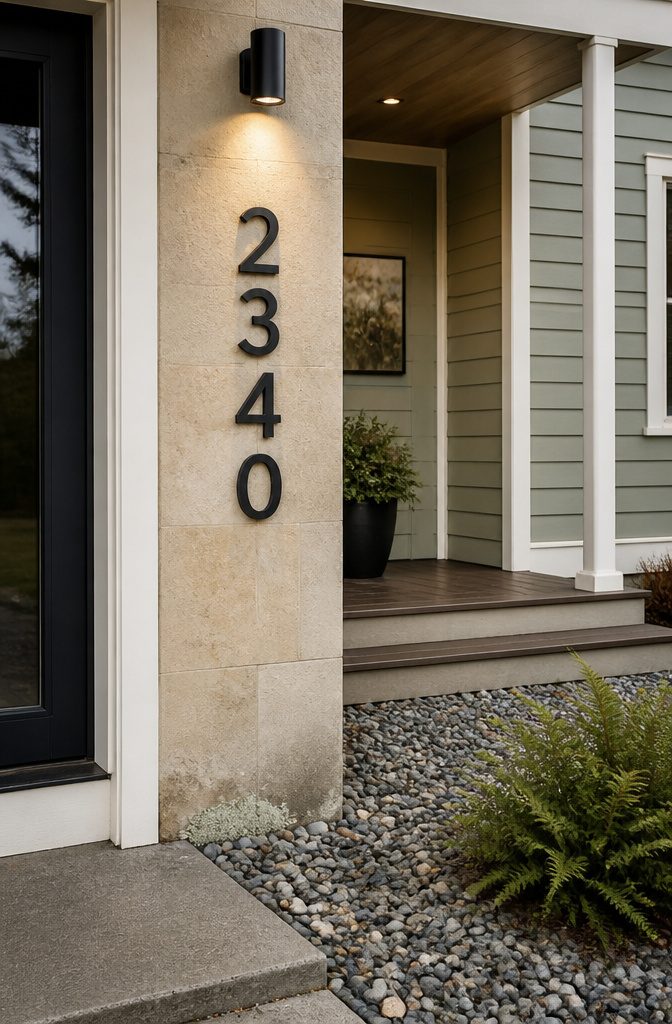
House numbers can disappear into a shadowed entry or blur into siding so close in tone that delivery drivers miss the address entirely. Replacing them fixes that, and updated house numbers immediately sharpen how the entry reads from the curb.
Black numbers against white trim or lighter siding give the clearest contrast, and oversized figures in a modern sans-serif or clean vertical format read well from the street without looking decorative.
Mount them directly on the house near the front door rather than on a porch post or mailbox far from the entry.
If the door sits in shadow, a thin spotlight aimed from above or a solar fixture on the path keeps the numbers visible at night.
I like the way fresh numbers anchor a small entry refresh alongside a newly painted front door.
The door color tends to carry more weight visually, but the numbers finish the corner details that separate a tidy entry from one that still looks half-done.
6. Paint or Update Siding and Exterior Surfaces
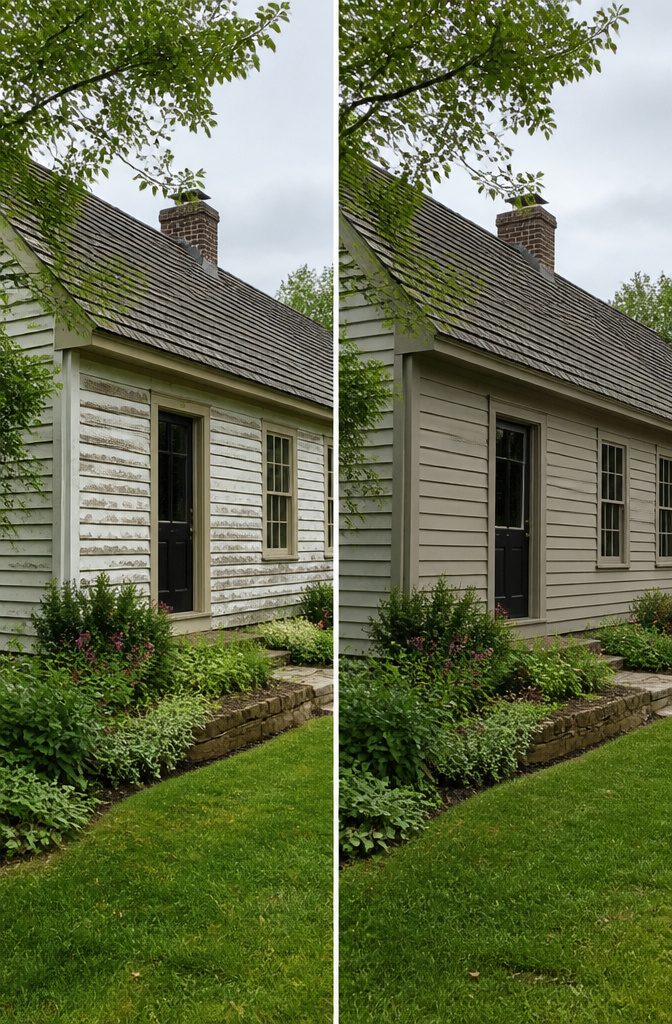
Paint is the single fastest way to reset a tired exterior. I painted the balcony at our last place, and the difference was immediate—suddenly the whole facade looked cared for instead of weathered.
If your siding is cracked or faded, start by replacing any rotting pieces, then bring it together with a few coats of exterior paint.
The color choice matters: lighter shades make a small house look larger, while darker tones pull it in and feel more intimate.
Match the palette to your home’s architecture and the surrounding landscape rather than picking a trendy color that fights the bones of the building.
If full replacement is not in the budget, professional cleaning can make twenty-year-old vinyl siding look surprisingly fresh. Repair damaged sections, replace missing trim pieces, and touch up the fascia and garage door at the same time.
Before you paint anything, check HOA requirements—many associations require formal approval before exterior color changes. A clean, maintained finish reads as intentional from the curb.
7. Refresh the Garage Door
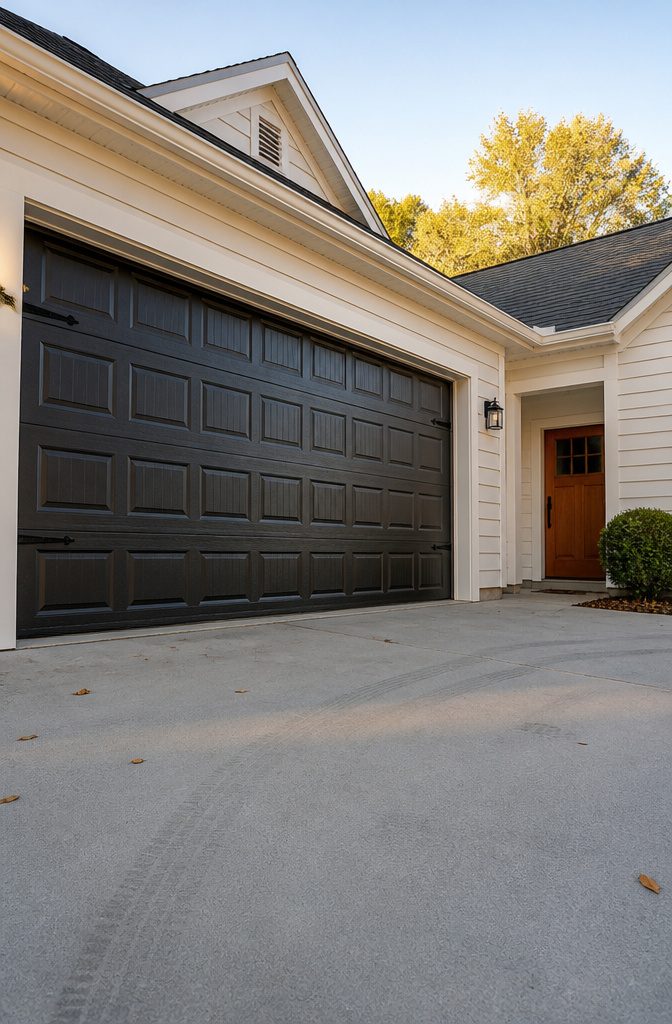
The garage door sits across more square footage than any other single feature on most facades, which means its condition sets the baseline for how the whole front reads from the street.
A door that looks tired pulls everything else down with it; one that looks deliberate ties the house together.
Exterior enamel paint is the fastest route if the door itself is sound. Coordinate the color with your front door rather than matching the siding, which keeps the entry composition cohesive without making the garage disappear into the wall.
The hardware matters as much as the color, so swap out rusted pulls and hinges at the same time.
Replacement makes sense when the door is dented, warped, or decades past its style window. A new door improves energy efficiency along with appearance, and the visual return is immediate because of the sheer area it covers.
8. Add Plants in Containers or Window Boxes
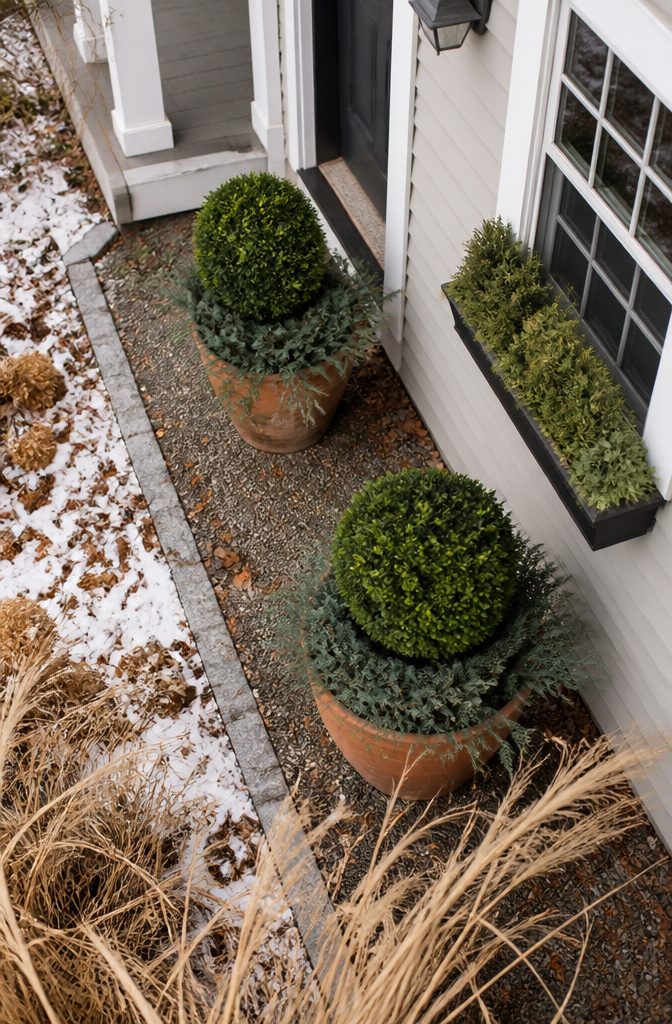
Containers let you bring year-round foliage right up to the house, even if your yard is all gravel or concrete.
Boxwood, arborvitae, and Blue Star junipers hold their color through winter and handle cold without going brown, which makes them worth the investment if you live anywhere that gets snow.
Flower boxes mounted under windows add character that gets noticed from the street, and hanging baskets soften bare corners or frame a porch without taking up floor space.
I like arranging planters in pairs for symmetry at the entry or along a walkway.
It reads as intentional rather than random. Coordinate the container finish with whatever other outdoor decor you already have, whether that means matching metal tones or sticking to a single material like terracotta or painted wood.
You can buy containers ready-made or build your own if you want something sized to fit a specific ledge or sill.
Seasonal plantings give you an excuse to refresh the look a few times a year, but the evergreen options mean you can skip replanting altogether and still look put together in February.
9. Furnish and Style the Porch

A porch with seating and a table works as an extra room, not just a walk-through.
I like putting a small bistro set or a pair of chairs out there because it gives the space a purpose—it tells anyone walking past that this is a home where someone actually sits outside.
At the scale most front porches allow, a two-seat setup with a side table fits without crowding the path to the door, and an outdoor rug underneath pulls the pieces together.
A furnished porch extends the living area and signals that the home is maintained, which matters when curb appeal is the goal.
Even without room for chairs, a doormat anchors the entry and adds a layer of finish.
Planters at the edges help frame the space, and replacing worn-out house numbers brings the whole look current. The pieces themselves do not need to be expensive; what counts is that they are deliberate and weather-appropriate.
A porch that looks like someone thought about it reads as cared for, and that impression carries more weight than the individual items ever could.
10. Add Architectural Features
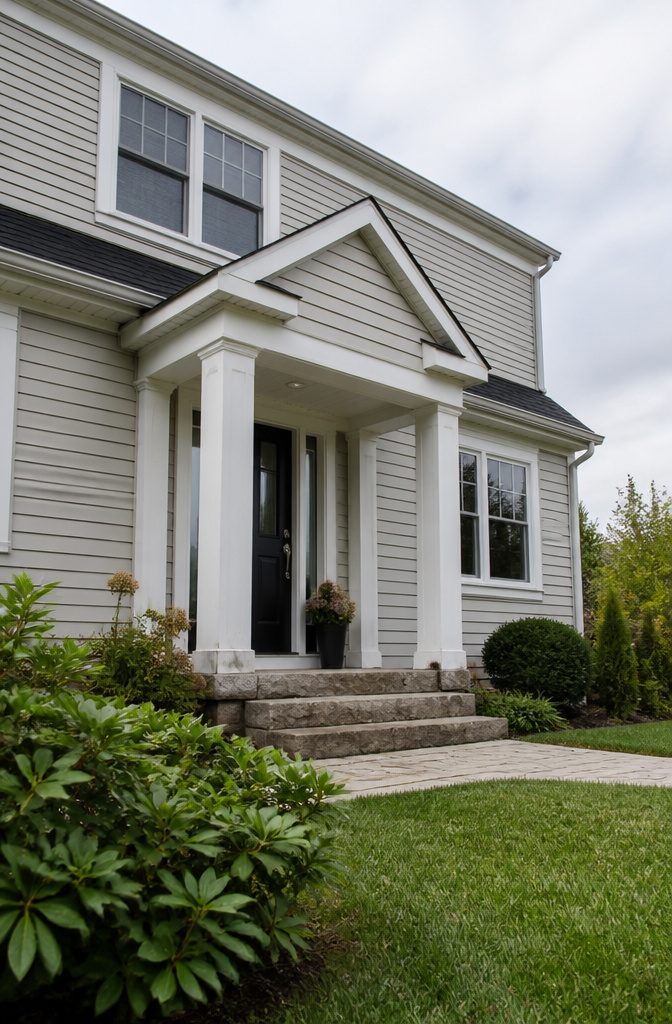
Larger changes to the home’s structure shift the silhouette and the architectural character in ways paint and plants cannot.
A portico over the entry, replacing standard windows with larger ones, updating roof shingles, or swapping dated trim for cleaner profiles all fall into this category.
These are projects that alter the envelope of the house, and they typically require permits, skilled trades, and a timeline measured in weeks rather than weekends.
Trim and siding updates bring instant architectural interest.
Start by replacing cracked, broken, or rotting pieces, then tie the look together with exterior paint. Broken windows are eyesores and energy drains that lead to higher utility bills, so repair or replacement pays off beyond appearance.
Window screens matter too: torn or missing screens let insects in the moment you open a window to air out the house.
For any work that touches structure or roofline, I recommend finding a local expert familiar with building codes and climate requirements.
What works in one region fails in another, and a contractor who knows the local demands keeps the project moving and the inspector happy.
11. Update Paths and Hardscape
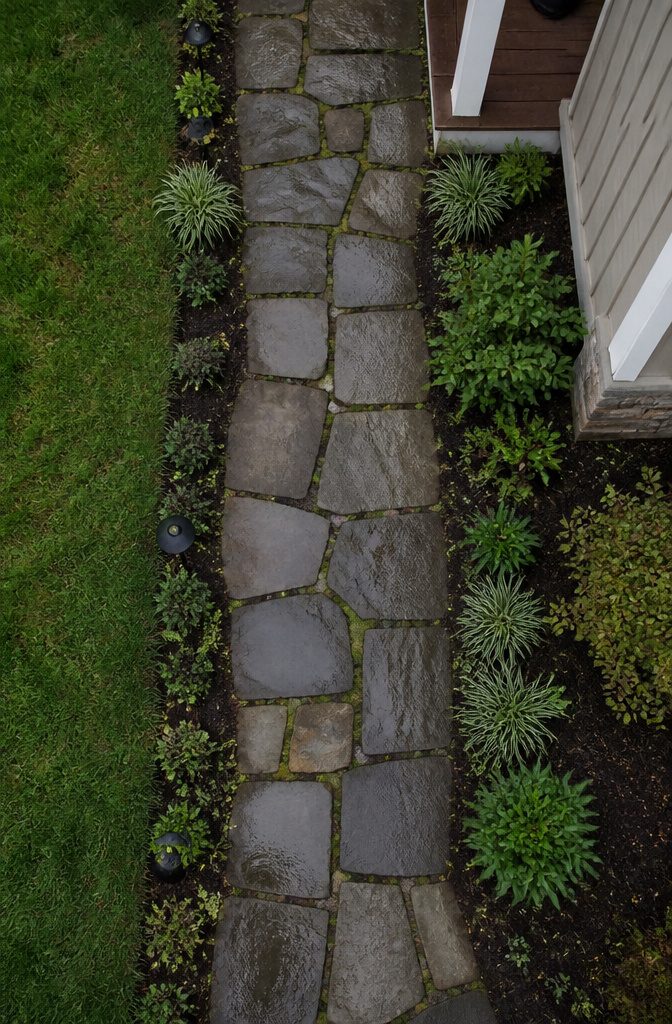
A cracked or stained concrete path reads as neglect before anyone reaches the door. Stone pavers, porcelain tiles, or bricks turn that first impression around, and the material you pick should match what the house is already saying.
Brick suits older colonials and craftsman builds, porcelain handles freeze-thaw without cracking in snow country, and natural stone pavers give a cottage or modern farmhouse the texture it needs.
A defined walkway does more than cover the ground. It guides visitors toward the entry instead of leaving them to invent their own route across the lawn, and that frame makes the door feel intentional rather than accidental.
If the path is already there but tired, lining both edges with low plants or small ground lights brings it back without tearing anything out.
For patios showing wear, tile veneer laid over the existing concrete saves the cost and mess of a full replacement while still fixing the surface people actually see.
12. Add Shade
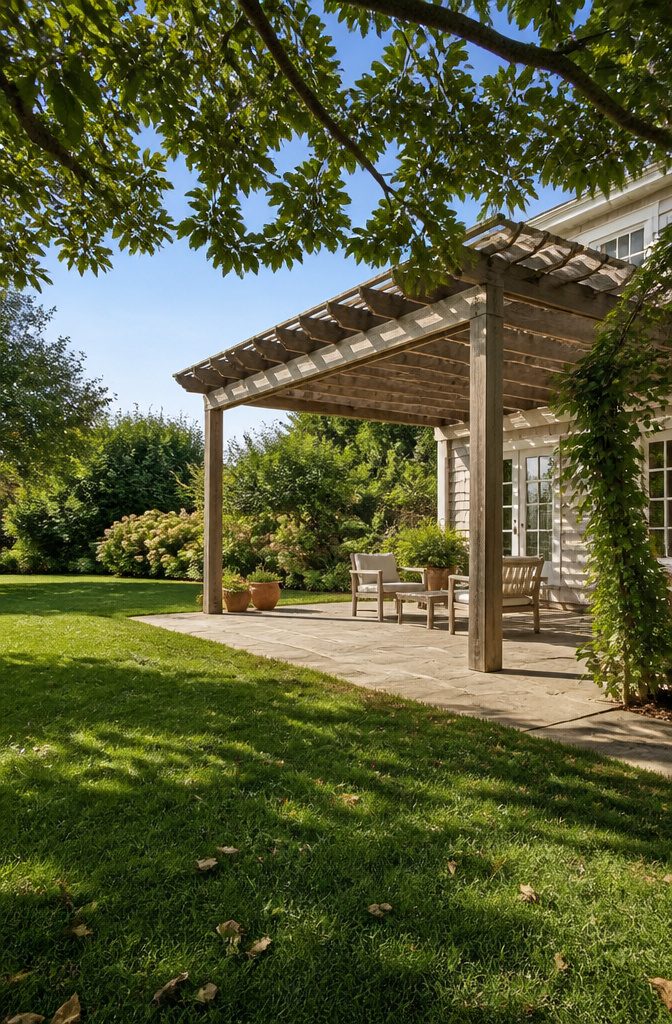
Shade does two things at once: it makes the yard actually comfortable to use through the middle of the day, and it gives the house a finished vertical layer that bare ground never will.
A roof over a patio or deck offers full protection from sun and rain, which matters if you want the space to work year-round.
Pergolas give lighter, dappled shade and cost less to build, though they leave you exposed in a storm.
A retractable awning splits the difference—pull it out when the sun is overhead, tuck it away the rest of the time—and it works on smaller budgets than a permanent structure.
Shade trees take years but no construction budget, and they cool the house itself if you plant them on the west side.
Your choice turns on whether you need shade now or can wait, and whether you want a room outside or just a cooler corner of the yard.
13. Build or Add Outdoor Amenities
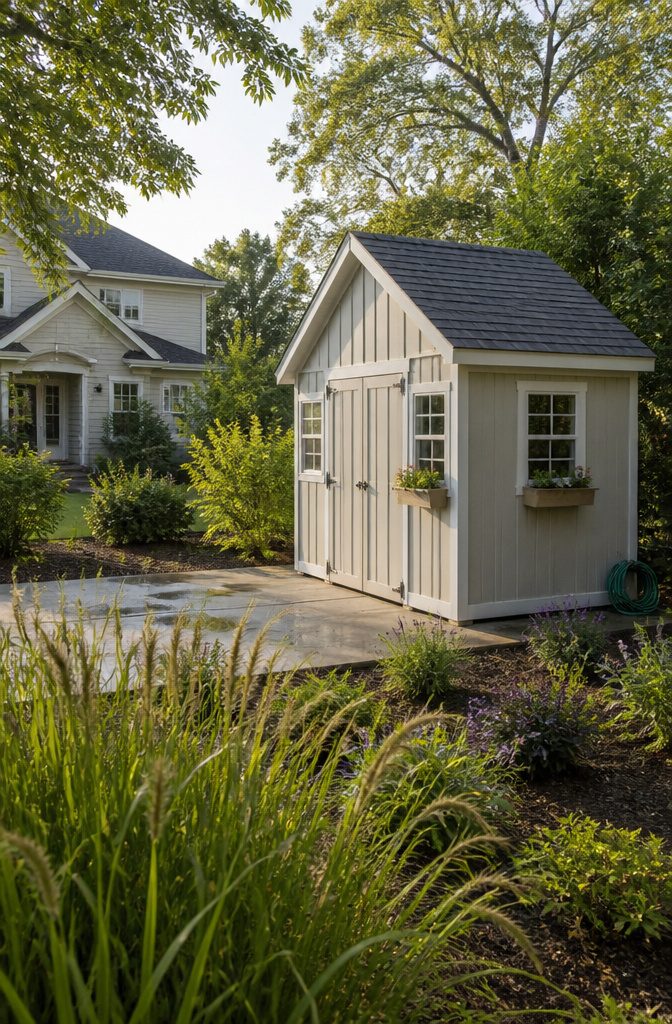
A storage shed or an outdoor kitchen changes how a yard reads from the curb. Both signal that the space is finished and deliberately organized rather than left to collect odds and ends.
I see the difference most clearly in yards that went from scattered tool piles and lidded bins against the fence to a single structure that holds it all and matches the house trim. The yard looks intentional.
A shed solves the storage problem and adds a focal point if you size and place it right.
A prefabricated unit can go up in a weekend; a custom build with a dimensional bartile roof and window boxes takes longer but lets you match siding and roofline details exactly.
Either one works as long as the foundation is poured level and the structure sits where it balances the yard rather than crowds it. Pour a concrete pad, not gravel, if you want the floor to stay flat under weight.
An outdoor kitchen carries more impact because it defines a zone.
The structure itself—counter, grill surround, maybe overhead beams—gives the patio edges and makes the whole backyard feel designed for use rather than left over. It asks more than a shed does, but the aesthetic return is immediate.
14. Add or Update Small Exterior Details
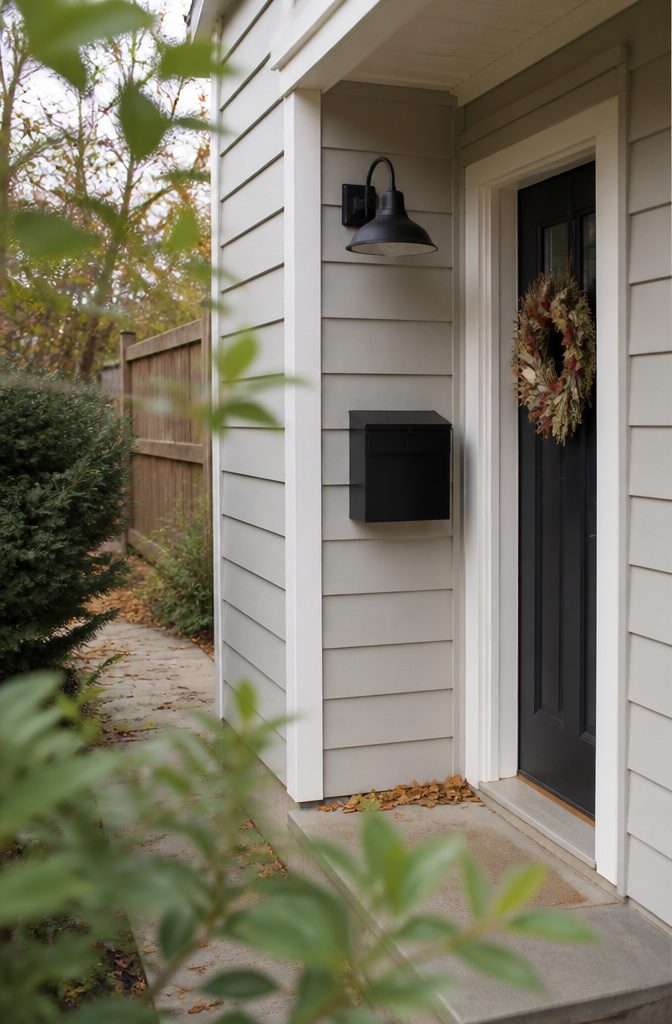
The finishing details are what separate a house that looks maintained from one that feels intentional.
A fresh mailbox matters more than most people expect. A rusted box or peeling numbers read as neglect even when the rest of the yard is tidy.
Swap it for a new one that matches the door hardware or the porch light finish, and the change registers immediately from the curb.
Seasonal decor keeps the exterior from looking static, but timing counts as much as the pieces themselves.
A wreath left up two months past the season does the opposite of what you want. If you’re making your own, a simple DIY wreath takes less than an hour and costs around $20 in materials.
Change it out promptly when the season shifts, and skip it entirely if you’re selling. Buyers want to picture themselves there, not tour your taste.
Garbage and recycling bins wreck sightlines no matter how clean the rest of the setup is.
Move them to the side of the house that doesn’t face the street, tuck them behind tall shrubs, or build a simple screen enclosure. Out of view is the only answer that works.
Start With What People See From the Street
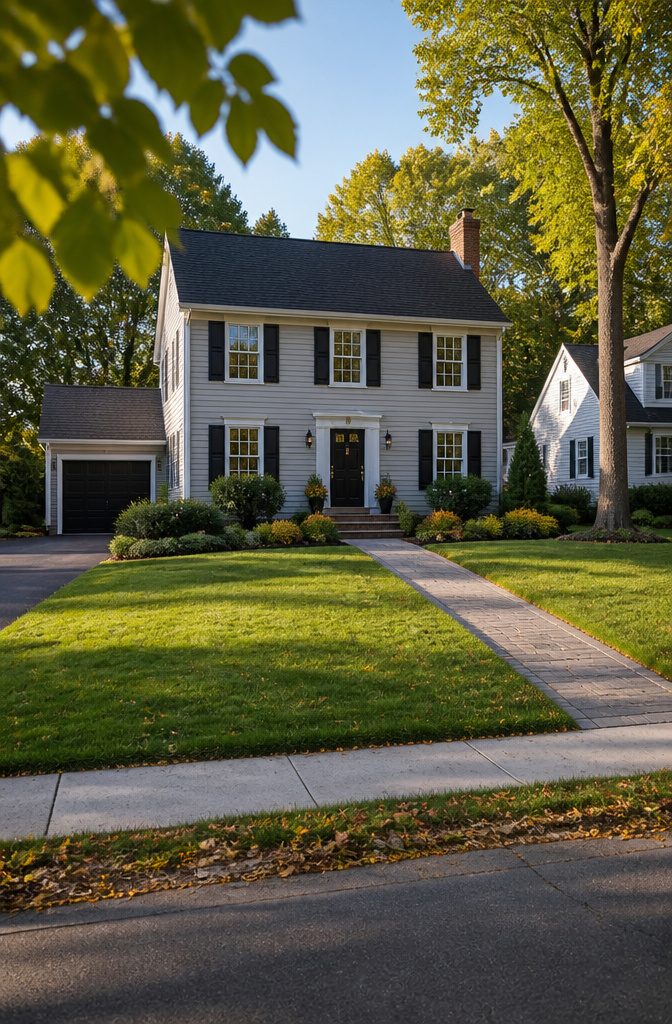
The exterior forms an opinion before the front door opens.
Buyers decide within 8 to 10 seconds of pulling up whether a house feels cared for or neglected, and that first glimpse from the curb matters more than most interior upgrades for listing photos and initial interest.
Start with what the street actually sees. A freshly painted room inside means nothing if overgrown shrubs, faded siding, and a grimy driveway are what greets anyone who drives past.
I prioritize the front-facing surfaces first: the entry, the landscaping visible from the sidewalk, the condition of the walkway, and the state of the siding or paint.
These are the elements that shape curb appeal, and they are also the ones that show up in every listing photo.
A well-maintained exterior signals that the rest of the house has been taken care of. Clean walkways, trimmed plants, and a fresh front door create an inviting look that makes people want to see more.
The goal is not perfection or a designer showcase, just a tidy, intentional appearance that does not raise questions about deferred maintenance.
Budget Ranges and Where to Start
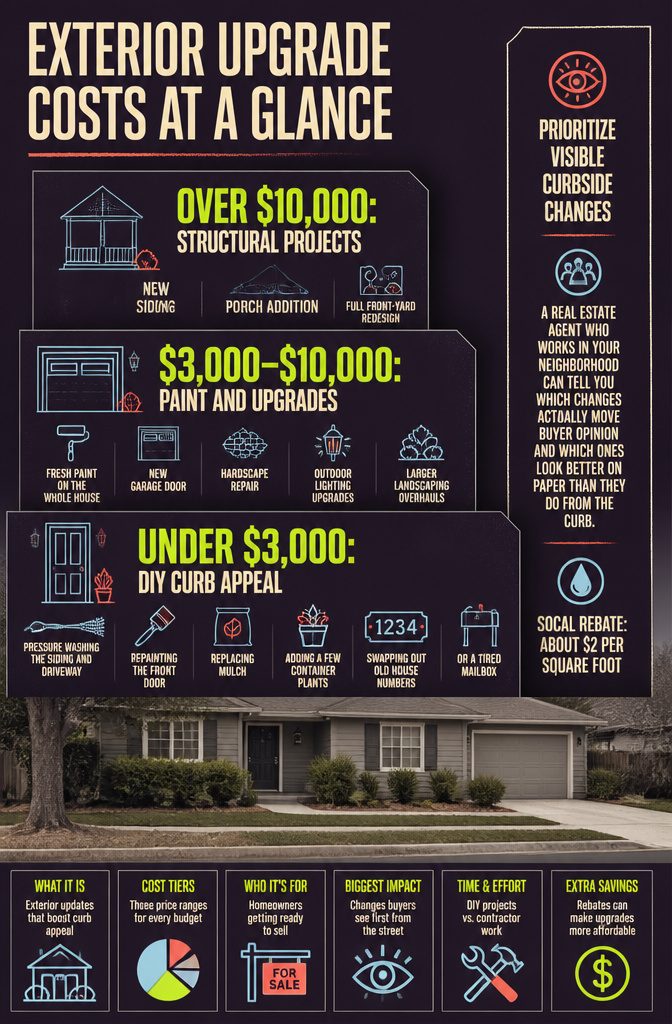
Most exterior updates group themselves into three price ranges.
Under $3,000 covers the quick wins: pressure washing the siding and driveway, repainting the front door, replacing mulch, adding a few container plants, and swapping out old house numbers or a tired mailbox.
Those moves deliver visible change without needing a contractor, and they tend to show up first in photos taken from the street.
Between $3,000 and $10,000, projects get more involved. Fresh paint on the whole house, a new garage door, hardscape repair, outdoor lighting upgrades, and larger landscaping overhauls all sit in this band.
Past $10,000, you’re looking at structural work like new siding, a porch addition, or a full front-yard redesign.
Start with the updates people notice most before spending on anything permanent.
A real estate agent who works in your neighborhood can tell you which changes actually move buyer opinion and which ones look better on paper than they do from the curb.
If you’re replacing a lawn in Southern California, check whether the SoCal Water$mart program still runs; the rebate sits around $2 per square foot and makes the math easier.
Frequently Asked Questions
How can I make my house exterior look more modern?
Replace dated fixtures with clean-lined hardware in matte black or brushed nickel, swap builder-grade lighting for contemporary styles, and paint the front door in a strong neutral like Tricorn Black or deep charcoal.
Update house numbers to oversized sans-serif figures, and keep landscaping minimal with evergreen shrubs and defined edges rather than fussy plantings. If the siding allows it, choose a two-tone palette with darker trim to sharpen the lines.
How to make the exterior of your home look expensive?
Start with a pressure washer to strip away grime from siding, walkways, and driveways, which costs nearly nothing but makes the whole property read as maintained.
Paint the front door in a high-gloss finish, replace worn hardware with matching metal tones across fixtures and house numbers, and add symmetrical planters flanking the entry.
Fresh mulch, edged beds, and a defined walkway in stone or brick give the landscaping intention rather than randomness.
What makes a home look cheap?
Visible garbage bins, peeling paint, overgrown shrubs, and cracked walkways all signal deferred maintenance before anyone reaches the door.
Mismatched hardware finishes, a grimy or rusted mailbox, and builder-grade fixtures left unchanged for decades make the exterior feel assembled from leftovers.
Torn window screens, faded siding, and seasonal decor left up past its month compound the impression that no one has touched the place in years.