I used to think rubberwood was some flimsy synthetic stuff until I built my first dining table with it. It turns out to be genuine hardwood from Pará rubber trees after their latex-producing days end.
It’s pale, straight-grained, and stains beautifully with conditioner, hitting that sweet spot between affordable and real.
Softer than oak but tougher than expected, it’s suitable for tables and beds that don’t break the bank.
Understanding how to spot quality pieces and avoid veneer traps requires additional research and inspection.
What Is Rubberwood? (And Why It’s Not Actually Rubber)
When I first heard “rubberwood,” I pictured bouncy chairs and wobbly tables made from old tires, maybe something you’d find in a toddler’s playroom. I couldn’t have been more wrong.
Rubberwood comes from the Pará rubber tree, the same plant that gives us latex for gloves and mattresses. After about 25–30 years, these trees stop producing that milky sap. Instead of burning them, farmers harvest the trunks for timber. You’ll also hear it called parawood, especially at certain retailers.
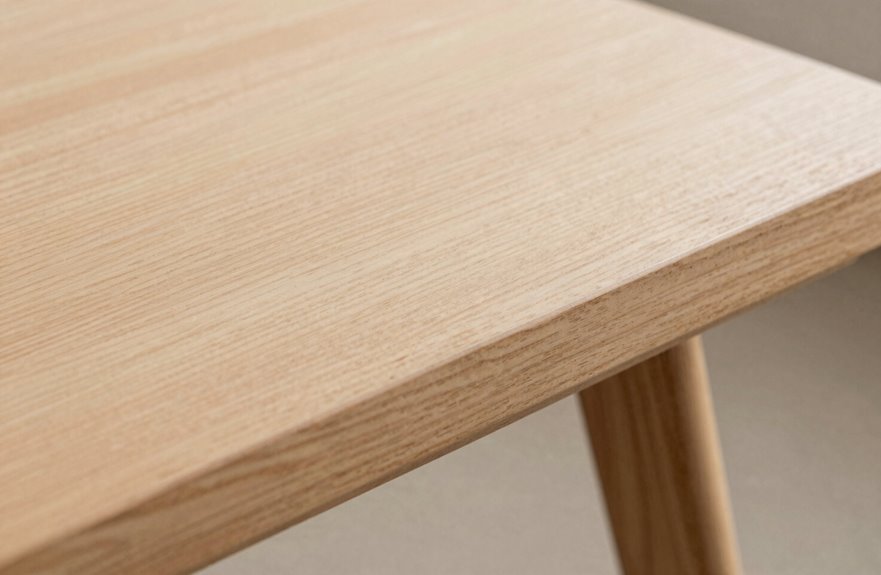
It’s genuine solid wood, not some pressed-together mystery material. The sustainability angle is compelling; we’re literally rescuing trees from waste piles. That pale, straight-grained beauty stains gorgeously too, though grab a conditioner first if you’re going dark.

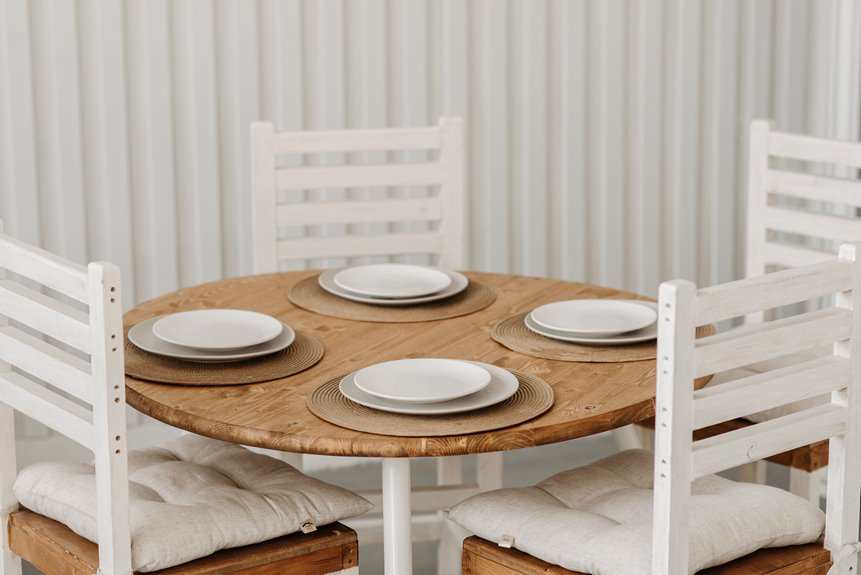
【Important Notice】This item includes only the small kicthen table, dining chairs are not included. The chairs shown in the image are for display purposes only, and are not included or sold separately

MODERN DINNET TABLE: Experience the warmth and charm of the Magnificent Wood Dining Table as it gracefully enhances any kitchen or traditional dining space. This exceptional kitchen table fosters a sense of closeness among family members, creating an atmosphere of affection and togetherness. The contemporary design of this dining room table elevates the elegance of your dining area, adding a touch of grandeur. Indulge in precious moments with your loved ones while enjoying the beauty of this exquisite kitchen table.

SPACE SAVING KITCHEN TABLE - Maximize your dining area with this versatile drop leaf kitchen table. With two 8.13-inch drop leaves, it converts from a compact 26.13-inch depth to a 42.38-inch round table to seat up to 4 people
Is Rubberwood Real Wood or Just Engineered?
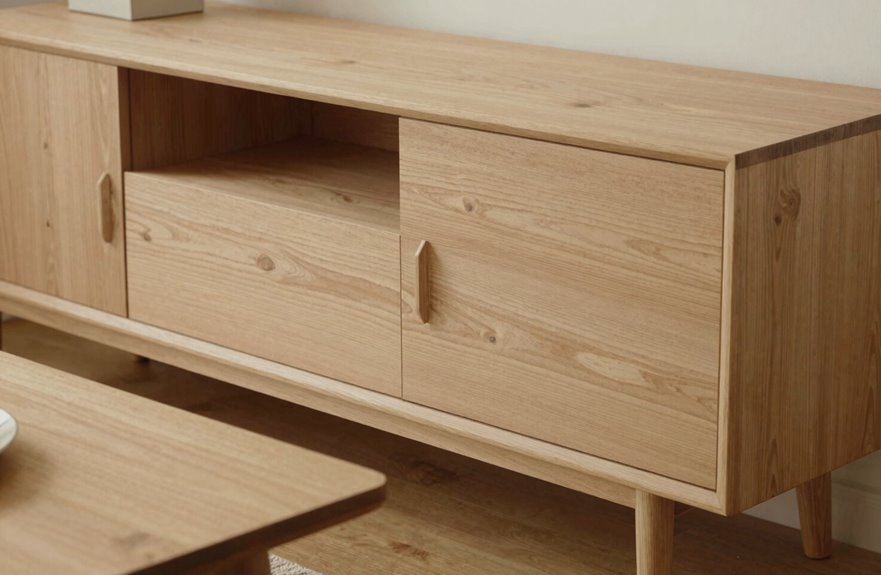
Rubberwood sounds fake, like something cooked up in a lab next to particleboard, but it’s absolutely real hardwood. It’s harvested from actual Pará rubber trees after they’ve finished producing latex, not glued-together sawdust like MDF or engineered products. Solid rubberwood has a light, straight grain and takes stain beautifully. Those finger-jointed boards holding chair frames together represent smart carpentry that stretches usable lumber rather than compromising quality.

100% SOLID WOOD CONSTRUCTION – Crafted from durable rubberwood and pine, this tatami-style hardwood platform bed frame has a natural tone, clean wood grain, and sleek silhouette that blend effortlessly with modern, rustic, or Scandinavian décor, and adds warmth and character to your bedroom.

Durable & Sturdy Construction: Expertly built with high-quality solid wood, this bed frame delivers exceptional sturdiness and long-term durability. The premium solid wood structure provides reliable, stable mattress support, ensuring safe, consistent rest for years of daily use

【Japanese Joinery Bed Frame - Quick & Easy Assembly】 Our queen size wooden bed frame features traditional Japanese joinery, a centuries-old woodworking technique with no screws, no metal parts, and no complicated hardware. Designed for easy moving and long-term use, it can be disassembled and reassembled with precision. For a smoother setup, a rubber mallet or wooden hammer can be used gently to help align the joints faster and ensure a secure fit.
Solid Wood Definition
The million-dollar question, right? I’ve asked it myself, standing in showrooms, squinting at price tags. Rubberwood is real wood, harvested from the Pará rubber tree after its latex-producing days end. It’s not a factory-made product.
Rubberwood qualifies as solid hardwood, not engineered material like MDF. That means actual grain pattern you can see, feel, sand, and stain. The grain runs light and uniform, almost creamy, and it takes clear lacquer well.
It’s softer than oak, but that shouldn’t discourage you. Rubberwood chair frames are durable, with zero warping. It offers real wood character and real value.
Engineered Wood Comparison
So rubberwood and engineered wood are frequently confused, but they’re quite different.
- Rubberwood is solid hardwood, not a composite. It’s real wood sliced from mature Pará rubber trees after their latex production ends.
- Unlike engineered wood with its cross-layered adhesives, rubberwood requires no veneer or joins, though finger-joint boards sometimes appear.
- The natural grain and light color can be stained to suit any preference, offering visual qualities that MDF cannot match.
- While engineered wood resists humidity better, rubberwood provides warp resistance and straightforward durability for everyday use.
This is authentic solid hardwood, not manufactured layers pretending to be something they’re not.
Rubberwood vs. Oak, Maple, and Walnut: How It Stacks Up
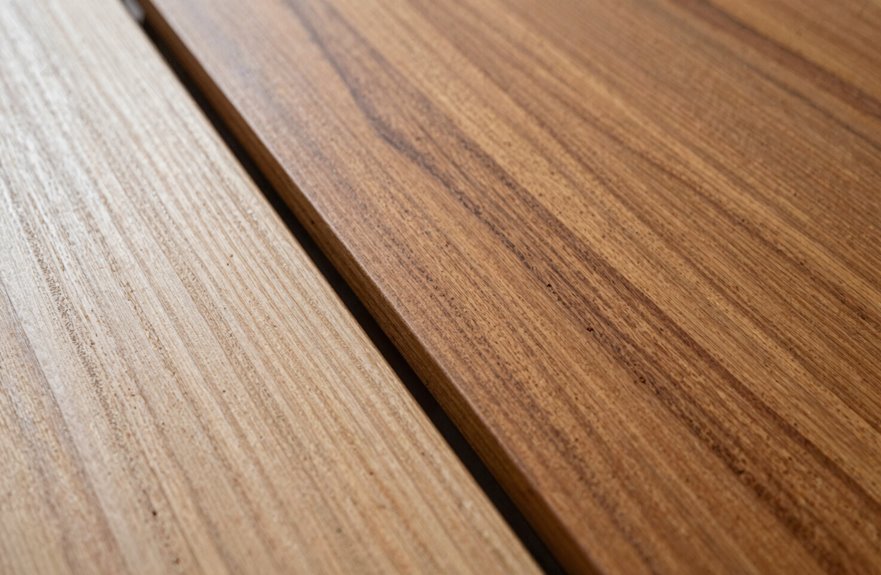
How does rubberwood actually hold up when you’re standing in the showroom, running your hand across samples, trying to decide what’ll live in your home for the next decade?
I’ve been there, sweating under fluorescent lights. Rubberwood gives you that solid hardwood feel with straight grain, pale and consistent coloring, without the high price of oak, maple, or walnut. The affordability is genuinely unbeatable for real wood.
On the Janka scale, rubberwood sits mid-range, softer than oak’s ruggedness or maple’s density. For durability, it performs well on dining tables but may not withstand heavy use like a toddler’s drum set. Walnut’s dramatic dark swirls and oak’s bold grain patterns are more visually striking than rubberwood’s subtle appearance. The uniform grain stains beautifully, and you’re getting genuine hardwood without the heirloom price tag. Rubberwood offers practical beauty at a fraction of the cost of premium hardwoods.

[EASY ASSEMBLY]: Quick and hassle-free assembly with all necessary hardware included. You can put it together in no time, without the need for any special tools or expertise. Enjoy a functional and stylish addition to your living space.

[SOLID HARDWOOD] Crafted from 100% solid Parawood. Durable kitchen cart.

[PREMIUM MATERIAL]: Crafted from solid parawood, known for its exceptional durability and long-lasting quality. This untreated wood allows you to paint or stain it in any color you prefer, giving you the freedom to customize it to match your decor.
Rubberwood vs. Engineered Wood: MDF, Plywood, and Particle Board
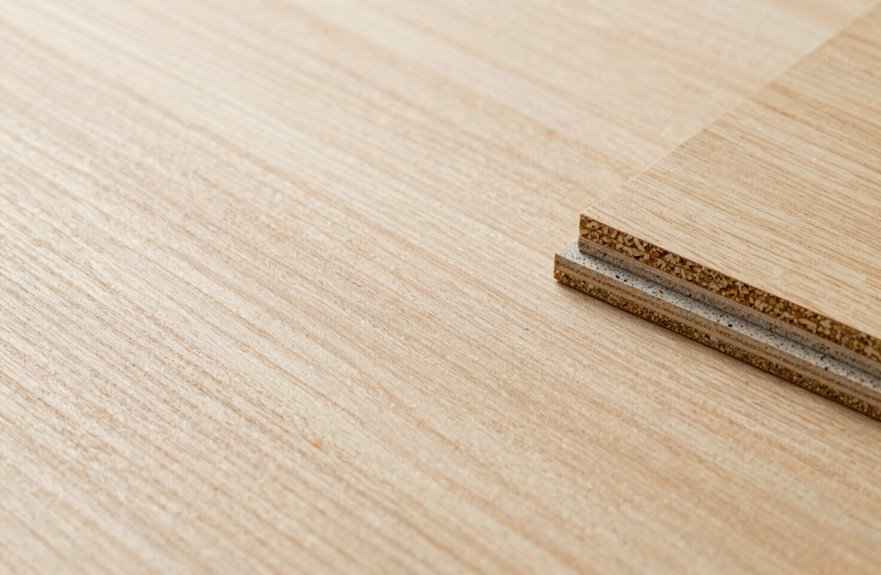
I used to think “engineered wood” sounded fancy, like something NASA developed for space stations, until I bought an MDF bookshelf that swelled like a sponge after my humidifier went rogue. That disaster taught me the real difference between rubberwood and engineered wood.
- Rubberwood comes from actual Pará rubber trees, with honest grain you can see and feel, not hidden beneath factory finishes
- MDF paints beautifully smooth but cannot handle moisture
- Plywood layers fight warping better than solid wood, though it still feels manufactured
- Particle board needs fake veneers to pretend it’s rubberwood, and authenticity matters
When friends visit, I want them touching real rubberwood, not wondering if my furniture is secretly glorified sawdust glued together.

PRE-STAIN TREATMENT FOR ALL WOOD – Ensure wood projects look great with Minwax Pre-Stain Wood Conditioner. Use prior to applying oil-based wood stains to help prevent streaks and blotches. It works by evening out the absorption of oil-based wood stain.

Ideal for use on interior wood furniture, cabinets, doors, trim, floors and paneling

WOOD CONDITIONER FOR STAINING – Ideal for all soft or hard woods, Minwax Pre-Stain Clear Conditioner penetrates the grain of the wood to promote uniform acceptance of water-based wood stains and helps control the effect of grain raising.
Solid Rubberwood vs. Veneers: What Furniture Labels Actually Mean
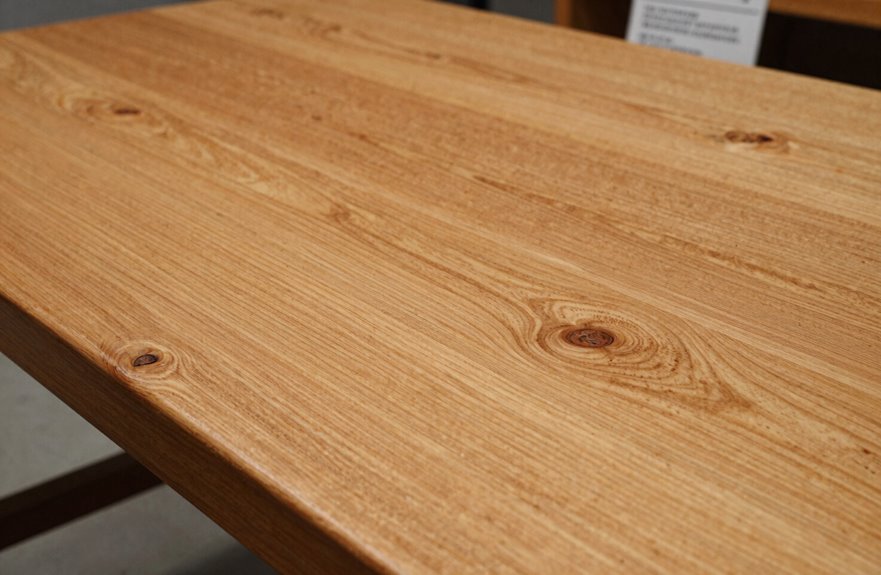
The first time I spotted “rubberwood” on a price tag, I was excited to find affordable solid wood. Then I learned furniture labeling isn’t always transparent. Solid rubberwood means you’re getting actual hardwood from the Pará rubber tree, grain and all. Veneer is a thin rubberwood slice glued over plywood or particleboard, like a convincing costume.
On durability, solid rubberwood sands, refinishes, and withstands wear. Veneer looks identical until you scratch through that precious top layer. Moisture hits that core and warping begins. I check labels carefully now, looking for “solid” versus “veneer.” The price gap makes sense once you know what’s underneath. Solid wood furniture lasts longer and maintains its integrity, while veneered pieces deteriorate when the protective layer is compromised.

This bundle pack includes 100 MDF sticks, each measuring 1" x 9" and are 1/8" thick. These high quality MDF boards have a superior smooth surface for painting, craft projects, creating signs or similar projects, and other DIY projects at school, daycare, summer camp, scouting, or home projects.

Including:4 pieces of veneered MDF board with double side paulownia wood

Including: 4 pieces of veneered MDF board with double side paulownia wood
Rubberwood Benefits: Why It’s Cheap Yet Sustainable
Once I learned where rubberwood actually comes from, I couldn’t stop telling people about it. After about 25–30 years of latex production, Pará rubber trees get a second life as gorgeous, budget-friendly interior furniture. Nothing goes to waste.
- It’s genuinely sustainable. Repurposing trees that would otherwise get burned diverts waste from environmental harm.
- Your wallet stays happy. Solid hardwood durability costs significantly less than mahogany or other premium hardwoods.
- That pale, creamy color. It stains beautifully and works with any interior aesthetic.
- Works like a dream. Straight grain and minimal warping make it ideal for tables and cabinets that receive daily use.
Choosing rubberwood means selecting durable, stylish pieces that reduce environmental impact while keeping costs down.

Required Assembly & 24/7 Customer Support: Some assembly is required for this solid wood dining table, with all instructions and tools included for your convenience. If you encounter any issues, please visit our website christopherknighthomes.com or feel free to reach out to us at [email protected].

MAXIMIZE YOUR FLOOR PLAN - Optimize your layout with a practical 38-inch bench that slides seamlessly under the 60-inch blue dining table when not in use for a tidy and spacious feel

SPATIAL VERSATILITY - Transform your dining area with this 35.75-inch tall table. It naturally divides spaces and pairs with counter stools for an eye-level social dynamic
Rubberwood Drawbacks: Moisture, Durability, and Where It Fails
Three things I wish I’d known before buying my rubberwood dining table: humidity is not your friend, “hardwood” doesn’t mean “indestructible,” and that gorgeous pale finish shows every coffee ring, every fork scrape, and every “oops” moment my kids deliver daily.
Rubberwood moisture sensitivity hit me hard. It literally warped my tabletop during one brutal summer. The durability disappointed me too; it’s no oak, folks. My chairs dented when I dropped a cast iron skillet. Without proper chemical treatments, fungal and insect resistance basically doesn’t exist, which explains the weird spots I found. Finish longevity suffered; mine dulled within two years. Outdoor suitability is nonexistent. My neighbor tried patio use, and that table swelled like a sponge. These failures reveal why rubberwood requires careful consideration before purchase.

Japanese Joinery Bed Frame: Tired of beds that arrive with hundreds of screws and pieces? This one is different. Our bed frame is built using centuries-old Japanese joinery — no screws, no tools, no metal parts. Every piece slides perfectly into place with your hands in just minutes. Move homes often? The easy-to-assemble bed was intentionally created for move-ability and a lifetime of use. It disassembles and reassembles with perfect precision every time.

STYLE THAT MAKES THE WHOLE ROOM FEEL FINISHED – Rounded legs and a warm wood finish bring a classic mid-century look that ties your space together. A design that never feels dated.

Flawlessly Suited to any Setting: Boasting a unique subtle grain pattern and traditional design, this full platform bed frame shows a warm-toned and inviting feel in any bedroom, guestroom, hotel, and so much more
Staining Rubberwood: What Works and What Doesn’t
I’ve wrestled with rubberwood’s stubborn streak more times than I care to admit, and that gorgeous light grain can turn blotchy faster than you can say “oops” if you skip the pre-stain conditioner. You’ll want to test your stain on a hidden corner first because this wood drinks up color unevenly despite looking so uniform at first glance. I learned this lesson the hard way on a coffee table that looked like a tie-dye disaster. Whether you’re going for a rich walnut finish or keeping it natural with clear lacquer, if you love that Scandinavian vibe, your finish choice should match your actual lifestyle and maintenance preferences rather than following rigid design rules.

[SOLID HARDWOOD] Crafted from 100% solid Parawood. Durable accent table.

[★ CLASSIC AND ELEGANT DESIGN ★] Add timeless charm to any room with this beautifully crafted 60" solid wood bookcase, combining both functionality and sophistication for a stylish storage solution.

[SOLID HARDWOOD] Crafted from 100% solid Parawood. Durable construction supports up to 225 lbs.
Stain Absorption Challenges
Most rubberwood pieces I’ve stained have taught me the same hard lesson: this wood drinks up color like a sponge at a pool party, and not always evenly. You’re chasing that gorgeous espresso tone, but stain absorption goes rogue fast.
Here’s what I’ve wrestled with:
- Wild porosity swings between boards mean one section gulps stain while its neighbor barely sips
- Blotching nightmares appear without warning, those ugly dark splotches ruining your weekend project
- Finish uniformity feels impossible when the grain throws surprise parties in random spots
- Skipping conditioner guarantees disappointment
That straight grain looks innocent, but rubberwood’s tropical DNA creates unpredictable thirst patterns. This wood demands respect, patience, and that conditioner step nobody wants to wait for. Skipping it results in visible color variations across the surface.
Pre-Stain Conditioning
That conditioner step everyone skips? Rubberwood demands it. Without conditioning, you’re gambling with blotching, and those splotchy patches become permanent problems.
Rubberwood has open pores that drink stain unevenly, like an absorbent surface with no regulation. Conditioning seals that thirsty surface first, giving you control over stain absorption instead of letting the wood call the shots. I always test on scrap pieces. I learned this lesson on a beautiful side table that now has a permanently uneven finish.
The payoff is even color that actually looks intentional. Proper prep means your finish protection lasts longer with no premature peeling or weird wear patterns. Skipping steps to save time costs more in the end. That extra twenty minutes of conditioning makes the difference between a professional result and a visibly flawed one.
Finish Compatibility Options
So here’s the million-dollar question: what actually plays nice with rubberwood once you’ve got that conditioner down?
- Oil-based stains deepen that gorgeous straight grain without fighting the wood’s natural quirks
- Water-based options work too, but you’ve got to move fast before they set.
- Clear lacquer preserves rubberwood’s light, creamy tone if you’re into that Scandinavian vibe
- A quality sealant, polyurethane or shellac, locks everything in because nobody wants sticky coffee rings ruining their masterpiece
The porous structure means skipping that conditioner invites blotchy disaster. I’ve been there, sanding everything back at midnight. After staining, always top it with a durable finish. Your furniture deserves protection that lasts. Getting this right ensures a professional result.
Rubberwood Furniture: Tables, Beds, and Storage That Last
Why settle for furniture that falls apart when you move apartments for the third time? I’ve been there, and rubberwood furniture changed everything for me. This durable hardwood is harvested from Pará rubber trees after their latex-producing days end, giving me solid tables that don’t wobble, beds that creak less than my knees, and storage that actually survives lease renewals. The light, straight grain takes staining beautifully. My bedroom set went from pale yellow-brown to this rich walnut that matches my thrifted finds perfectly. The sustainability factor is significant. We’re talking repurposed trees, not fresh forest clearing, at prices that let me belong to the “good taste, smart budget” club. Just keep it indoors; I learned that humidity lesson the hard way.

Pre-stain wood conditioner preps wood for even color

Polishes all wood surfaces to a soft luster with a protective coating of Carnauba Wax and Beeswax
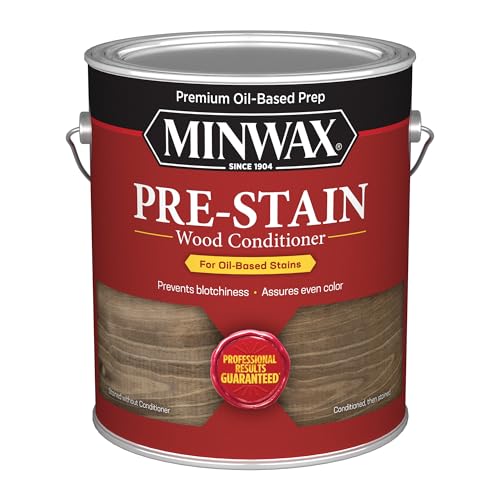
PRE-STAIN TREATMENT FOR ALL WOOD – Ensure wood projects look great with Minwax Pre-Stain Wood Conditioner. Use prior to applying oil-based wood stains to help prevent streaks. It works by evening out the absorption of oil-based wood stain.
Is Rubberwood Safe for Cutting Boards and Kitchen Use?
I know you’re wondering whether that light, straight-grained rubberwood you’ve seen in budget-friendly kitchenware can actually handle your chopping knives and tomato spills because I asked myself the exact same thing when I spotted a rubberwood cutting board at my local home goods store. I’ve since learned it’s all about the finishing: properly treated with food-safe sealants that lock out moisture, rubberwood works fine for light prep, though I’ve watched mine absorb beet juice stains like a sponge when I skipped the mineral oil. Your board will maintain better appearance and durability if you apply mineral oil regularly. For heavy daily use, its tendency to dull blades and dent under aggressive mincing leaves me reaching for harder maple or walnut when I’m batch-cooking Sunday dinner.

Including:4 pieces of veneered MDF board with double side paulownia wood

Craft Versatility: Bright Creations offers the ideal MDF board for craft enthusiasts, perfect for transforming any idea into reality. Each wooden board is meticulously crafted, providing a versatile base for any DIY craft project

Versatile Crafting Options: Bright Creations' wood blocks are perfect for crafting custom DIY projects, signs, and rustic decor. These wooden blocks for crafts allow for endless creativity in both home and office settings
Food Safety Considerations
Three things I always check before letting any wood touch my dinner: where it came from, what got sprayed on it, and whether it’ll warp into a sad, soggy plank.
Rubberwood’s tricky, friends. I love its creamy, even grain, gorgeous for that farmhouse-chic cutting board. That wood started life as a latex factory, then got hit with chemical treatments to keep bugs at bay. Without proper food-safe finishing, you’re basically seasoning your salad with mystery preservatives.
- Verify your rubberwood carries actual food-grade certification, not just “looks clean”
- Commit to sealing with mineral oil or beeswax every few weeks without shortcuts
- Respect its moisture sensitivity; never let it soak in the sink
- Check for complete kiln drying, or that board will develop mold
Seal it right, and you’ll maintain a cutting board that won’t contaminate your food.
Kitchen Durability Factors
So you’ve got your rubberwood board sealed up tight, food-safe and ready to roll. Now let’s talk about whether this stuff can actually survive your kitchen chaos, because I’ve put mine through some serious trials. Here’s the real deal: rubberwood’s moisture resistance isn’t exactly legendary. Without proper food-safe sealing, my first board warped like a potato chip after I left it soaking, a rookie mistake. The kiln-drying process helps stabilize the wood, sure, but you’ve gotta stay on top of those finishes. Rubberwood absorbs water faster than my dog at his bowl. Reapply mineral oil monthly, keep it dry between uses, and this medium-density hardwood handles daily chopping beautifully. Skip the sealing. You’re inviting swelling, cracks, and regret.
How to Clean and Protect Rubberwood Furniture
Why does rubberwood deserve a little extra care? This gorgeous, sustainable wood rewards proper maintenance and deteriorates without it.
Here’s my rubberwood care routine that keeps pieces looking fresh:
- Dust weekly with a dry cloth, no fancy sprays needed
- Grab coasters, stat. Moisture protection prevents white rings
- Wipe spills immediately
- Wash yearly with mild soap, dry thoroughly, done
My cleaning routine is simple because rubberwood’s humidity sensitivity requires attention. I learned about stains and finishes after a DIY disaster. Always condition first. Skip outdoor use entirely; warping can occur rapidly. Your rubberwood belongs in your indoor home, not the patio.
When to Choose (and Avoid) Rubberwood for Your Home
Where do I even start with rubberwood? I love it for indoor furniture—dining tables, nightstands, bookcases—because it’s affordable, takes staining/finishing like a dream, and that sustainability story (repurposing old latex trees) provides environmental benefits. However, I’ve learned through experience that moisture sensitivity is a genuine concern. I once ruined a rubberwood side table with a sweating iced coffee.
Here’s my cheat sheet:
| Choose Rubberwood | Skip Rubberwood |
|---|---|
| Budget-friendly bedroom sets | Outdoor patios |
| Projects needing custom stain colors | Super high-traffic kitchen islands |
| Eco-conscious living rooms (check FSC.) | Bathrooms, anywhere steamy |
I always verify sustainability claims with actual certification rather than relying on marketing language. For staining and finishing, its uniform grain means fewer surprises. Using coasters will prevent water damage and extend the furniture’s lifespan.
Where to Find Quality Rubberwood Furniture
Now that I’ve walked you through when rubberwood makes sense and when it’ll leave you crying over a water ring the size of a grapefruit, let’s talk about actually getting your hands on the good stuff.
I hunt for parawood pieces that don’t just look pretty but actually last. Use this checklist:
- Check for FSC certification on the tag. It confirms that rubberwood table didn’t trash a rainforest.
- Run your hand across finger-jointed boards; they should feel seamless, not like a tiny wooden fence.
- Peek underneath. Quality sustainable furniture uses solid parawood, not mystery particleboard wearing a disguise.
- Ask about the finish. Good rubberwood soaks up lacquer effectively, turning that pale blonde into walnut, cherry, or whatever vibe you’re chasing.
Verify these details before purchasing.