
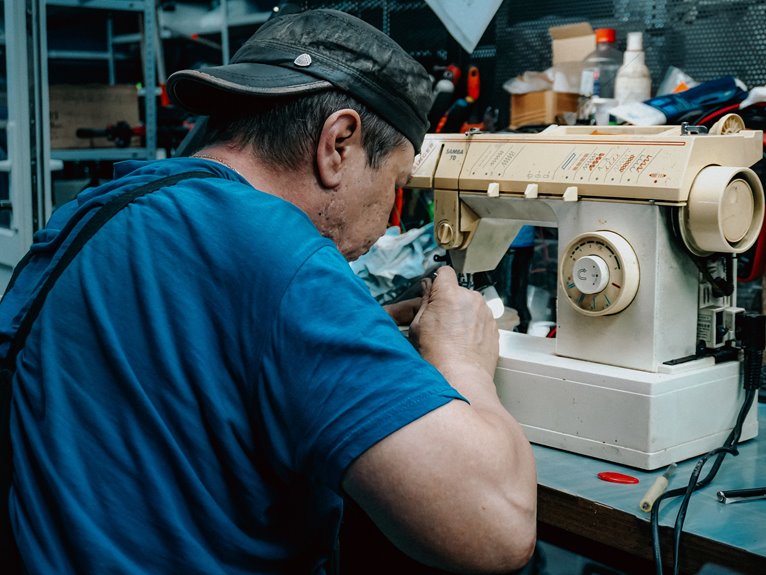
I’ve wrestled more blinds back to life than I care to admit, and the fix is almost always simpler than you’d think. Five straightforward steps separate you from windows that actually work again.
First, grip that bottom rail and pull down gently until it stops, then give it three to five swift tugs to wake up the sleepy spring inside. If your cordless shade still plays dead, check for telescoping fabric bunching against the bracket or frayed threads choking the pin lock. These are common culprits.
For corded blinds, grab those strings and pull hard at a 45-degree angle while maintaining downward tension until you feel the satisfying click of the jammed cord lock releasing. Straighten any warped slats and clear dust from the headrail with a dry cloth. Listen for grinding gears that indicate the blinds need replacement.
The key is knowing which problem to address first. Understanding these common issues will get your blinds working properly again.
Fix Cordless Blinds That Won’t Go Up: Spring Reset First

Why do cordless blinds always seem to break at the worst possible moment? I’ve been there, staring at a window treatment that just hangs there, mocking me.
Start with a spring reset. Grab that bottom rail, pull it down gently until it stops, then give it three to five swift tugs. This reset procedure forces the internal spring to re-engage, helping your cordless blinds regain tension so upward movement returns. Make sure the shade’s fully extended first; this maximizes contact between the bottom rail and spring mechanism. No half-measures.
Test it. If it lowers but won’t rise, repeat the pull-and-tug sequence to re-tire that spring. This method has resolved the issue on multiple blinds, and the click of tension regaining confirms the spring has successfully re-engaged.

【Excellent Material】:Blind Size: 23"W x 72"H, Fabric Size: 22"W x 72"H. Fabric is 100% polyester material fabrics with reinforce thermal insulated coating, feeling soft and smooth. No burrs, strong wear resistance, and easy to clean.Our blackout blinds block 100% of sunlight and UV rays. The thermal backing reduces the loss of room heat and against cold through the windows in winter and summer, helping to reduce your energy bills.

【Excellent Material】:Blind Size: 23"W x 72"H, Fabric Size: 22"W x 72"H. Fabric is 100% polyester material fabrics with reinforce thermal insulated coating, feeling soft and smooth. No burrs, strong wear resistance, and easy to clean.Our blackout blinds block 100% of sunlight and UV rays. The thermal backing reduces the loss of room heat and against cold through the windows in winter and summer, helping to reduce your energy bills.
When the Spring Reset Fails: Telescoping Fabric and Pin Locks

Sometimes that spring reset just doesn’t work. We’ve all been there, standing with our cordless blinds halfway down like a moody teenager refusing to cooperate.
When roller shades pull that stunt, check for telescoping fabric gone rogue. That’s when the edge creeps sideways, hits the bracket, and jams everything up. It’s subtle but stubborn. Frayed threads love wrapping around the pin lock, creating an invisible handbrake that stops all movement.
Humidity’s another culprit, swelling the pin or trapping dust until nothing budges. Diagnose first: is it a fabric path problem or pin lock issue. Then realign the fabric, maybe nudge the bracket gently, or, if the manufacturer allows, apply a small amount of silicone to that sticky pin. This approach will restore your blinds to working order.

【Linen Fabrics】Made from high-quality linen fabric, our light filtering shades are designed to be soft and skin-friendly, transparent to light, opaque to sight. Perfect for creating a cozy and peaceful atmosphere in any room. The fabric is precisely cut with a laser without any rough edges. Linen fabric is predominantly made from natural linen fibers, which are completely natural and odor-free, providing you a more comfortable and enjoyable environment.

100% Blackout Roller Shade: Made of polyester fabric coated with blackout backing. Blocking out 100% light for complete privacy, light control and UV protection for bedrooms, children’s rooms and movie rooms. Excellent for deeper and longer sleepers.
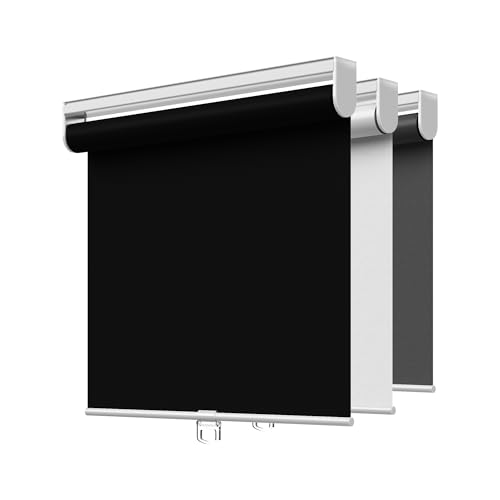
Kind reminder: Dear customer, first of all, we are very grateful for your strong support for our BGBL roller blinds products. When you make a purchase, please measure the width and height of your window first. We have provided detailed reference and measurement tutorials in our videos and in details. thank you!
Fix Corded Blinds: Release Jammed Cord Locks and Untangle Cords
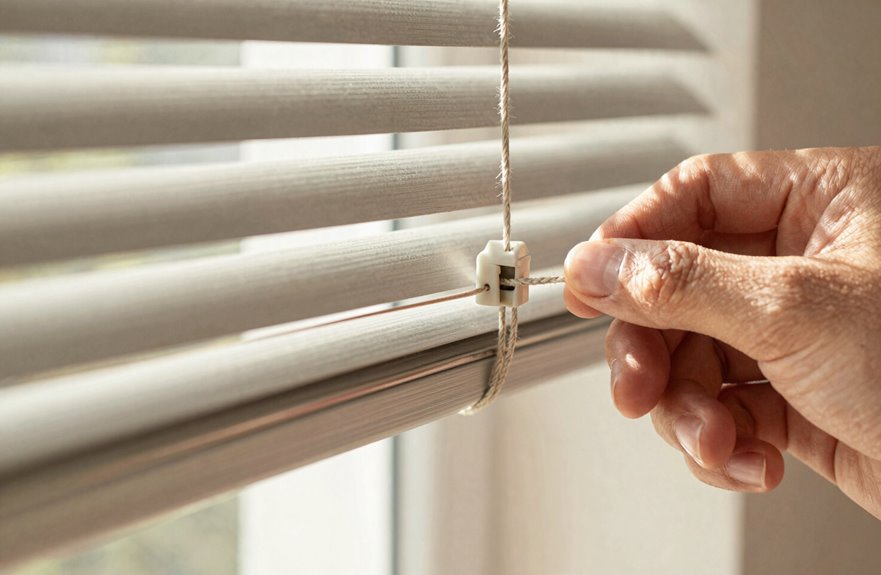
Ever wrestled with a corded blind that just won’t budge? A jammed cord lock inside the headrail is usually the culprit.
A jammed cord lock inside the headrail is usually why your corded blind refuses to budge.
To fix it, grab those cords and pull down hard, then tug sideways at a 45-degree angle. That horizontal pull releases the lock mechanism. Keep that downward tension steady while you pull. You’ll feel it give with a small click.
Slowly ease back vertical, then test your blinds. Still stuck? Try the other direction, since these locks can be particular about which way they release.
Clear dust from the headrail by blasting compressed air into it. Skip the WD-40 unless your manufacturer specifically recommends it.

Used with METAL Rollers with a 1 inch inside diameter.

★【Basic Information】The Bungee Kit is a universal replacement for outdoor/indoor sun shades and roller blinds, it can prevent the rolling curtain from blowing away.

Wide compatibility:This roller shade mounting kit works with most brackets for blinds and outdoor shade systems. A true universal replacement for various shade types.
Straighten Warped Slats and Clear Frame Obstructions
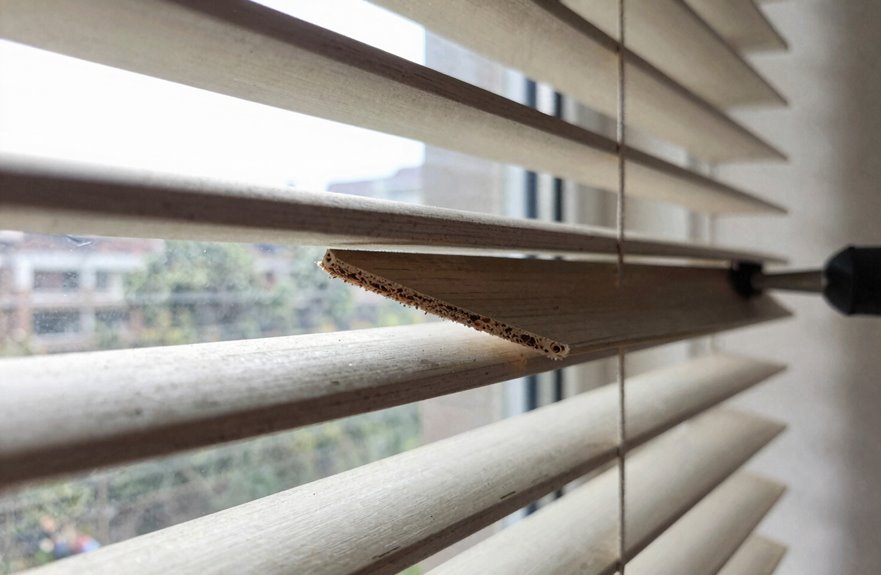
When your blinds start acting like they’re auditioning for a modern art installation, warped slats are usually the drama queen behind the curtain. I’ve spent many Saturday mornings untangling this exact mess, and it’s fixable.
First, I gently coax each warped slat back into position, sliding them evenly through the ladder cords without forcing. Think persuasion, not wrestling. Binding here stops everything cold. Next, I hunt for frame obstructions: debris on the sill, brackets gone rogue, or misaligned slats blocking the path like rude party guests. I reseat any bent or detached slats into their ladder cord guides, replacing the truly hopeless ones. Finally, I test the movement repeatedly, watching for headrail friction or drag at the edges. Seamless operation results from this methodical approach.

High quality material: the shutter curtain thread lock is made of plastic and metal, durable, not easy to break or deform, smooth surface, no scratch, not easy to break or deform, can be used for a long time.

MULTI-CORD CAPACITY: Specifically designed for Roman and Austrian shades, holding up to 5 cords with a 2" x 3/4" base.

Notice: before order,please kindly check the size and shaped on the picture and compared with your existing lock in your blinds.because the similar ones will not fit.
Replace Broken Springs and Know When to Upgrade
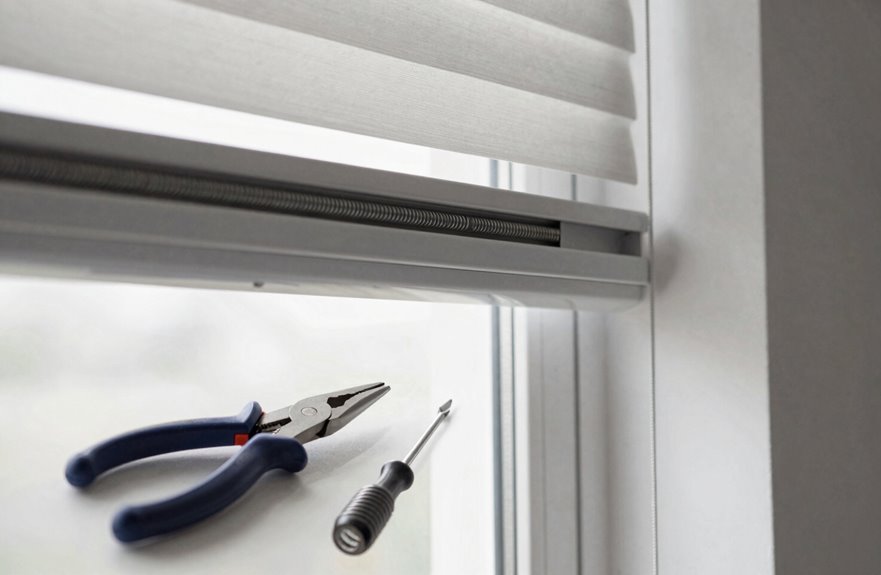
Why do our blinds always seem to quit on us at the worst possible moment? I’ve wrestled with a dead spring at 6 AM, that heavy, limp shade crashing down like my morning motivation. When upward tension vanishes, I’m replacing springs by popping off the end cap, finding that tension-bearing pin, and re-twisting, or swapping entirely when it’s truly worn out.
- That grinding noise? Your internal gears need maintenance.
- Frayed cords and constant re-jamming indicate significant wear.
- If you’re repairing more than enjoying, upgrading saves time and offers warranties.
I’ve learned to evaluate the whole mechanism during repairs. Modern systems with improved cord safety function more reliably. Sometimes blinds that actually work without constant adjustment are worth the investment.
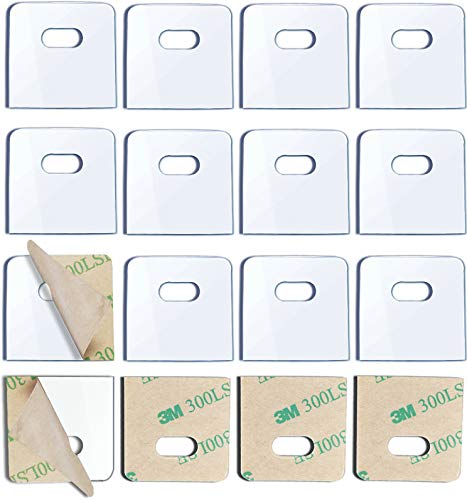
►【 Best Value Package 】-- A plastic bag contains 16 sets (total 32pieces)transparent vertical blind repair tabs. Before using the tab, you can clean the broken place of the blinds , increase the adhesive force, and permanently repaired them.

✅ NOTE: Due to shipping length limitations,The blind sltas are rolled up,Before use,the slats are slightly bent at both ends,Please keep them on floor flat(Concave side down) for a while will make them to straighten up.Thanks for your understanding!

✔ Best Value Package – There are 25 Sets(50 Pieces)1.18inch*1.18inch vertical blind repair tabs in the package. So you have a sufficient number of verticle blinds snap-in replacement to fix all the vertical blinds in your home.